Another US Judge Temporarily Blocks Trump's Ban on Transgender Troops
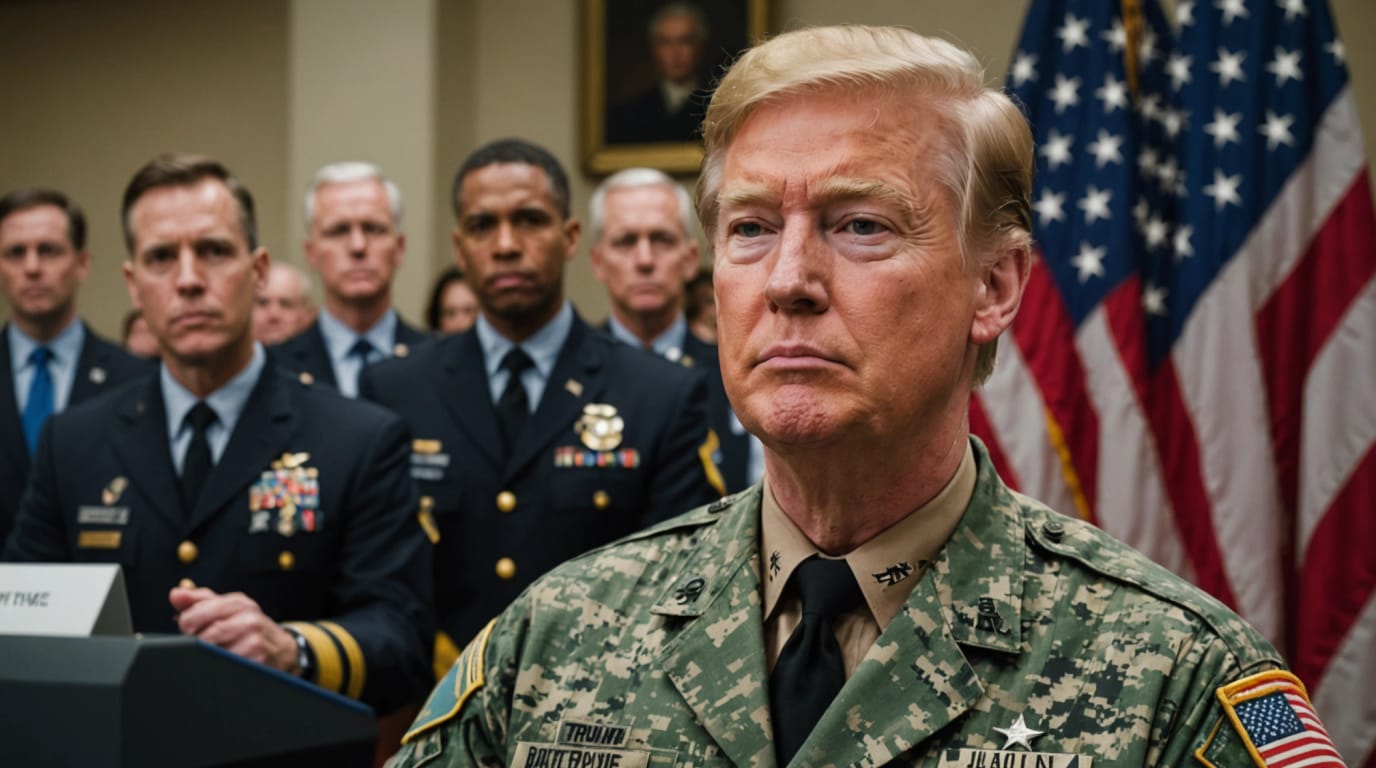
A federal judge in Washington state has temporarily blocked the enforcement of former President Donald Trump's ban on transgender individuals serving in the U.S. military, marking the second nationwide injunction against the policy in two weeks. The ruling is a significant legal setback for the former president's efforts to restrict the rights of transgender people and further complicates the ongoing legal battle surrounding military service for transgender individuals.
Ruling Details and Scope
U.S. District Judge Benjamin Settle issued the ruling Thursday in response to a lawsuit brought by transgender service members and advocacy groups. The plaintiffs argued that the ban was discriminatory and would cause irreversible harm to their careers. Settle, appointed by President George W. Bush in 2007, stated that the military's implementation of Trump's order is likely unconstitutional. He granted a preliminary injunction, which prevents Trump's executive order from taking effect and allows transgender troops to continue serving until the lawsuit is decided. The order applies to all plaintiffs and any similarly situated individuals nationwide, including those serving outside the country.
Settle wrote, "Absent an injunction, all transgender service members are likely to suffer the irreparable harm of losing the military service career they have chosen, while otherwise qualified accession plaintiffs will lose the opportunity to serve."
Background of the Ban
Trump initially announced his intention to ban transgender individuals from military service in 2017 via Twitter, citing "tremendous medical costs and disruption." After facing legal challenges, the administration revised its policy, focusing on individuals diagnosed with gender dysphoria. In January 2025, Trump signed an executive order stating that "expressing a false 'gender identity' divergent from an individual's sex cannot satisfy the rigorous standards necessary for military service." The order claimed that transgender service members conflicted with a soldier's commitment to an honorable, truthful, and disciplined lifestyle and was harmful to military readiness.
Following Trump's directive, then-Defense Secretary Pete Hegseth issued a policy that presumptively disqualifies transgender people from military service. The policy instructed military leaders to begin identifying transgender service members and initiate "separation actions" against them, potentially forcing them out of the military.
Legal Challenges and Conflicting Rulings
Settle's ruling follows a similar nationwide preliminary injunction granted last week by U.S. District Judge Ana Reyes in Washington, D.C., who is overseeing a separate case against the Trump administration. Reyes' order was temporarily put on hold but is now set to take effect Friday. In her decision, Reyes found that the challengers were likely to succeed on their claim that the ban fails a higher level of judicial scrutiny because it classifies based on sex and transgender status. She also held that the Trump administration's policy is likely driven by unconstitutional animus.
Adding to the legal complexities, a judge in New Jersey issued a more limited ruling on Monday, preventing the Air Force from removing two transgender service members. The judge stated that their separation would cause lasting damage to their careers and reputations that no monetary settlement could repair.
The Justice Department has already appealed Reyes' order, setting the stage for further legal battles in the higher courts.
Arguments Presented in Court
During a hearing in Tacoma on Tuesday, Justice Department attorney Jason Lynch argued that the Defense Department's policy change was not targeting transgender people but rather focused on people medically diagnosed with gender dysphoria, a state of distress felt by some, but not all, transgender people. He suggested that the president was entitled to deference in military affairs and that the service ban was not as broad as the plaintiffs had suggested.
Lambda Legal attorney Kell Olson countered that Trump's ban clearly applies to all transgender people regardless of a gender dysphoria diagnosis. He added that the military's policy change treats those with gender dysphoria differently than those with other medical conditions.
Judge Settle questioned Lynch, noting that the government had offered no evidence that allowing transgender troops to serve openly has caused any problems for military readiness.
Impact on Transgender Service Members
The legal challenges to the ban highlight the uncertainty and anxiety faced by transgender service members. Transgender people in the military have already reported being forced to leave women's dorms and cut their hair. The rulings provide temporary relief, allowing them to continue serving while the legal battles continue.
Advocacy groups have praised the rulings, emphasizing the importance of allowing qualified individuals to serve their country regardless of their gender identity. Jennifer Levi, senior director of transgender and queer rights for GLAD Law, called Reyes' ruling "decisive" and said it "speaks volumes."
The Broader Context
The legal battle over transgender military service is part of a broader debate about the rights and inclusion of transgender people in society. The Trump administration's policies were widely criticized by LGBTQ+ advocates as discriminatory and harmful.
Thousands of transgender people serve in the military, representing less than 1% of the total number of active-duty service members. Studies have shown that allowing transgender people to serve openly has no significant impact on military readiness or cohesion.
Conclusion
The temporary block on Trump's ban on transgender troops represents a significant victory for transgender service members and their advocates. However, the legal battle is far from over, and the future of transgender military service remains uncertain. The conflicting rulings and the Justice Department's appeal indicate that the issue will likely be decided by higher courts. For now, transgender individuals can continue to serve their country, but the long-term implications of this legal fight remain to be seen.


