Anti-Tourism Sentiment Boils Over in Spain as Protests Erupt
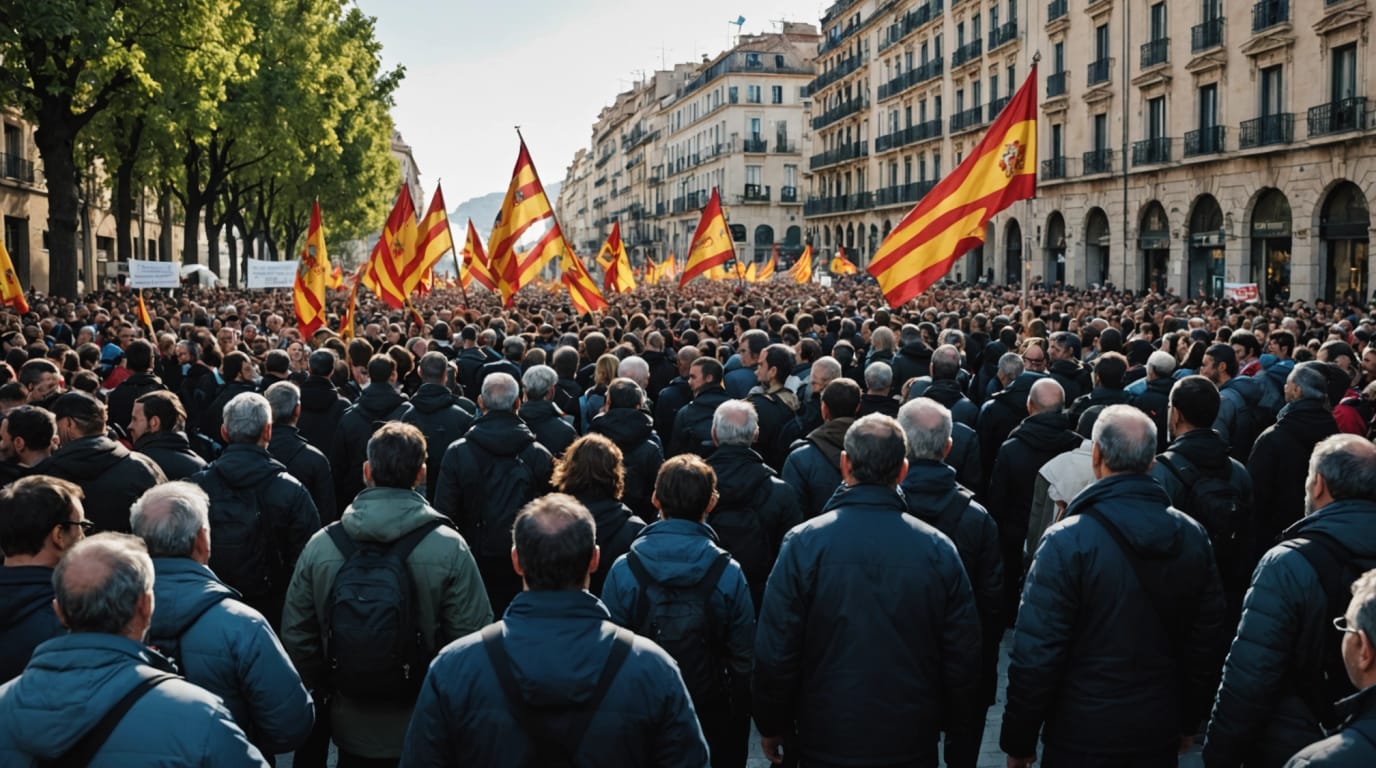
Across Spain, simmering tensions over the impact of mass tourism have boiled over into organized protests, reflecting a growing unease among residents who feel overwhelmed by the sheer number of visitors and the associated consequences. From Barcelona to Palma de Mallorca, demonstrators are voicing concerns about rising housing costs, environmental degradation, and the erosion of local culture, raising questions about the sustainability of Spain's tourism model.
Protests Spread Across Tourist Hotspots
On Sunday, coordinated demonstrations took place in Barcelona and seven other Spanish cities, including Granada, Palma, and Ibiza. Protesters also gathered in Lisbon, Portugal, and several Italian cities, including Venice and Naples. Organized by groups like Barcelona's Neighbourhoods Assembly for Tourism Degrowth and the SET alliance (Southern Europe against Overtourism), the protests build upon sporadic demonstrations that have occurred in Spain in recent years.
In Barcelona, some protesters sprayed tourists with water guns and blocked hotel entrances, while others lit flares. Demonstrators carried signs with slogans such as "Tourists go home" and "One more tourist, one less resident," highlighting the sentiment that the city is being overrun by visitors at the expense of its residents. Similar scenes played out in Palma, where around 5,000 people gathered, some chanting, "Everywhere you look, all you see are tourists."
The Roots of the Discontent
The surge in anti-tourism sentiment stems from a variety of factors, primarily the perception that mass tourism is negatively impacting the quality of life for local residents. Activists argue that the influx of tourists drives up housing costs, making it difficult for locals to find affordable places to live. The rise of short-term rental platforms like Airbnb has exacerbated this issue, as property owners increasingly favor renting to tourists over long-term residents.
"Our lives, as lifelong residents of Barcelona, are coming to an end," said Andreu Martínez, an administrative assistant whose rent has risen over 30% due to the increase in short-term rentals. "We are being pushed out systematically."
Beyond housing, residents also express concerns about the changing character of their neighborhoods. Traditional stores and businesses are being replaced by souvenir shops, burger joints, and other establishments catering to tourists, leading to a loss of local identity and culture. Environmental pollution and strain on public services are other frequently cited grievances.
Economic Impact and Government Response
Spain's tourism sector is a major contributor to the national economy. In 2024, the sector contributed almost €249 billion to GDP, representing 15.6% of the economy, and employed 3 million people, nearly 14% of the country's total jobs. International tourist spending reached €107.1 billion, a 10.9% increase year-on-year. The World Travel & Tourism Council (WTTC) forecasts that by 2025, the sector's contribution could reach €260.5 billion, equivalent to almost 16% of the national economy.
Recognizing the growing concerns, the Spanish government has begun to take steps to address the negative impacts of overtourism. Last month, the government ordered Airbnb to remove almost 66,000 holiday rentals from its platform for violating local rules. Spain's Consumer Rights Minister, Pablo Bustinduy, stated that the tourism sector "cannot jeopardize the constitutional rights of the Spanish people," including their right to housing and well-being.
Barcelona has taken even more drastic measures, announcing plans to eliminate all 10,000 short-term rental licenses in the city by 2028. The Balearic Islands government has also implemented "tourism containment measures," including increased tourist taxes, restrictions on tourist rentals, and a new levy on hire cars.
Seeking a Sustainable Path Forward
The protests in Spain highlight the need for a more sustainable approach to tourism, one that balances the economic benefits with the needs and concerns of local communities. This includes managing the number of tourists, regulating short-term rentals, investing in affordable housing, and protecting the environment and cultural heritage.
The Spanish government, through the Secretariat of State for Tourism, is developing a Sustainable Tourism Strategy of Spain 2030, a national agenda to meet the challenges of the sector in the medium and long term and promote socio-economic, environmental, and territorial sustainability. The strategy proposes a growth model based on improving the competitiveness and profitability of the industry, preserving natural and cultural values, and ensuring an equitable distribution of the benefits and burdens of tourism.
Several regions are also developing tailored sustainable tourism indicators to measure and monitor the sustainability of tourism. The OECD, in cooperation with the European Commission, is supporting Andalusia, Catalonia, Navarra, and the Region of Valencia in this effort.
A Broader European Trend
The anti-tourism protests in Spain are not isolated incidents but part of a broader trend across Europe. Similar demonstrations have taken place in other popular destinations, such as Venice, Amsterdam, and Berlin, reflecting a growing awareness of the negative impacts of overtourism and a desire for a more balanced and sustainable approach.
Asier Basurto, who helped organize a protest in San Sebastián, stated, "Our enemy is not the tourist, but the speculators and the exploiters who hide behind tourism to profit from the housing and lives of the local population." This sentiment underscores the need for policymakers to address the underlying issues that are fueling the discontent and to work towards a tourism model that benefits both visitors and residents alike.
Conclusion
The anti-tourism protests in Spain serve as a wake-up call, highlighting the urgent need for a more sustainable and responsible approach to tourism. While the tourism sector is a vital part of the Spanish economy, its benefits should not come at the expense of local communities and the environment. By implementing effective policies and promoting a more balanced approach, Spain can ensure that tourism continues to thrive while preserving its unique culture and natural beauty for future generations.