Apple Dethrones Samsung: A Historic Shift in Global Smartphone Dominance
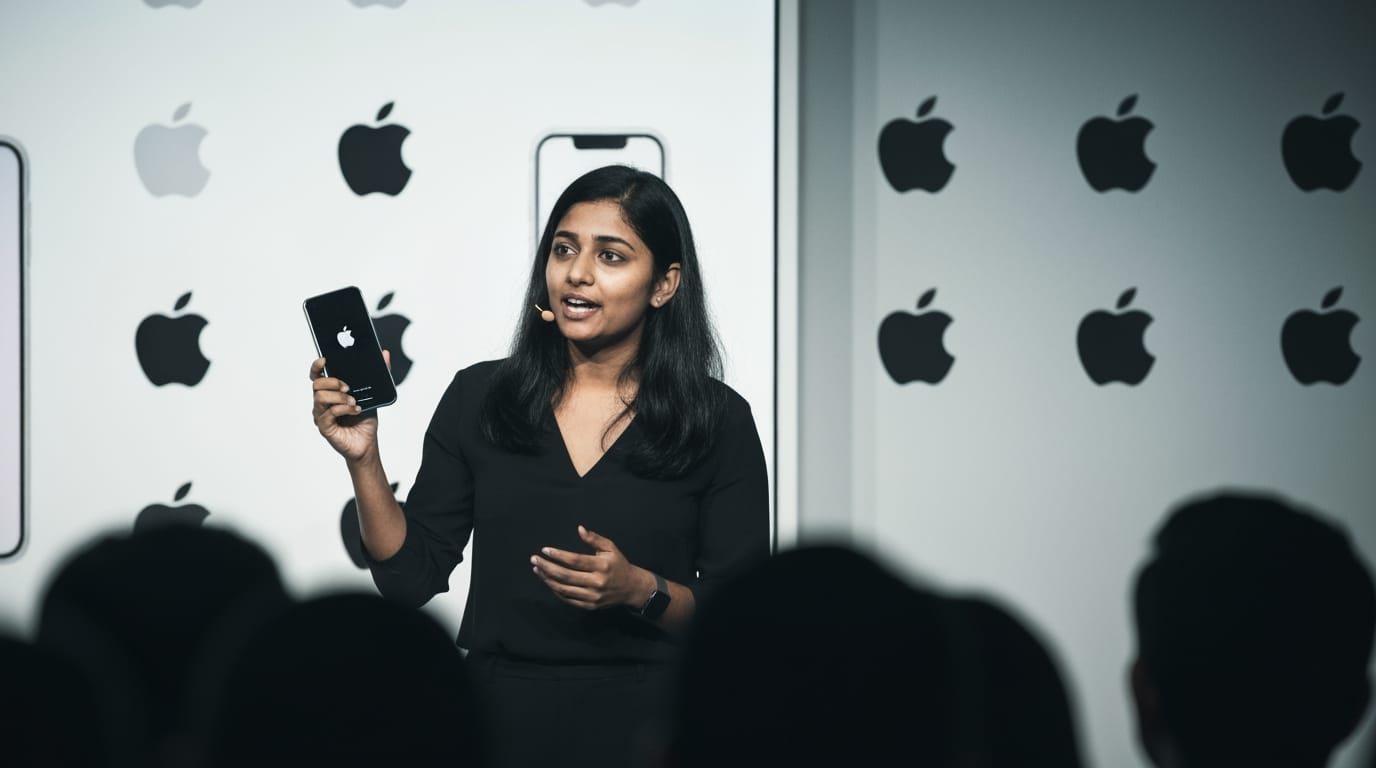
In a landmark moment for the global technology industry, Apple has officially surpassed Samsung to become the world's leading smartphone vendor for the entirety of 2023, marking the first time the Cupertino-based giant has achieved this annual milestone. This historic achievement brings an end to Samsung's remarkable 13-year reign at the pinnacle of the smartphone market, signaling a significant power shift in one of the most competitive consumer electronics sectors.
A Decisive Shift in Market Leadership
Preliminary data from leading market research firms, including the International Data Corporation (IDC), unequivocally points to Apple's ascendancy. For the full year 2023, Apple shipped an impressive 234.6 million iPhones, securing a commanding 20.1% share of the global smartphone market. In stark contrast, Samsung, which had held the top spot annually since 2010, shipped 226.6 million units, capturing 19.4% of the market. This represented a notable 13.6% year-over-year decline for the South Korean conglomerate.
The transition at the top occurred despite a challenging year for the overall smartphone industry, which saw global shipments decline by 3.2% to 1.17 billion units in 2023. This figure represents the lowest full-year volume in a decade, reflecting broader macroeconomic headwinds and elevated inventory levels earlier in the year. Amidst this downturn, Apple stood out as the sole major vendor among the top three to register positive year-over-year growth, with its shipments increasing by 3.7%. This resilience underscores Apple's robust market position and strategic execution in a contracting market.
Apple's Strategic Prowess and Premium Dominance
Apple's rise to the number one position is attributed to several interconnected factors, primarily its unwavering focus on the high-end segment of the market and its powerful ecosystem. The increasing popularity of premium devices, which now constitute more than 20% of the overall smartphone market, has played directly into Apple's strengths. Consumers are increasingly prioritizing durability, advanced features, and a seamless user experience over initial price points, a trend that benefits Apple's premium-priced iPhone lineup.
The company's success is further bolstered by aggressive trade-in programs and interest-free financing options, making its high-value devices more accessible to a wider demographic. Apple's ecosystem, encompassing hardware, software, and services, fosters exceptional customer loyalty, with a significant proportion of iPhone buyers upgrading from previous iPhone models. This creates a powerful retention mechanism, ensuring a steady upgrade cycle. While the iPhone 15 series, launched in September 2023, contributed to a strong fourth quarter, much of Apple's annual performance was sustained by continued demand for the iPhone 14 series. Apple's strategic expansion into emerging and mid-size markets, combined with its established dominance in mature economies, has been crucial in broadening its global footprint.
Samsung's Challenges and Android's Fragmentation
For Samsung, relinquishing the top spot after more than a decade marks a pivotal moment. The company's decline in shipments by 13.6% year-over-year in 2023 reflects a confluence of challenges. While Samsung has historically thrived on offering a vast range of smartphones across all price points, from budget-friendly options to ultra-premium foldables, this diversification has recently presented vulnerabilities.
The Android market, where Samsung is the dominant player, is experiencing increasing fragmentation. A growing number of Chinese manufacturers, including Xiaomi, Transsion, OPPO, and Vivo, are launching highly competitive devices, particularly in the mid-range and lower-end segments. Brands like Huawei, Honor, OnePlus, and Google are also intensifying competition by releasing devices that offer compelling features at competitive price points. This heightened competition directly impacts Samsung's market share, especially in segments where it once held undisputed sway.
Furthermore, Samsung has faced difficulties in its mid-range and entry-level phone segments, with reports indicating decreased demand and performance issues with some low-end models. While Samsung has strategically shifted its focus to the mid-to-high-end market to enhance profitability with devices like the Galaxy S23 and its foldable series, this move has coincided with a loss of share in the crucial low-end segments. The resurgence of Huawei in its home market of China has also added competitive pressure, particularly in a market that is highly significant for both Apple and Samsung.
The Evolving Smartphone Landscape
The overall smartphone market is navigating a period of significant transformation. While 2023 saw a full-year decline, the latter half of the year, particularly the fourth quarter, demonstrated signs of recovery with an 8% year-on-year growth in shipments. This suggests a potential rebound for 2024, with demand fueled by emerging markets in the Middle East, Africa, Asia Pacific, and Latin America, where low-to-mid-range devices are key growth drivers. The industry is also keenly looking towards innovations such as on-device Artificial Intelligence (AI) and foldable technologies to stimulate future growth and capture consumer interest.
The shift at the top underscores the relentless intensity of competition within the smartphone market. While Apple celebrated its historic 2023 victory, industry dynamics remain fluid. Some preliminary reports for 2024 suggest that Samsung may have regained its leading position, with Apple following closely behind, and then Apple leading again in 2025 according to other forecasts. These fluctuating positions highlight that sustained leadership requires continuous innovation and adaptation to evolving consumer demands and regional market nuances. The battle for smartphone supremacy is far from over, but 2023 will forever be etched as the year Apple finally claimed the annual crown.
Conclusion
Apple's ascendancy to the global number one smartphone vendor in 2023 marks a watershed moment, concluding Samsung's dominant 13-year run. This significant milestone not only reflects Apple's strategic mastery of the premium segment and its powerful brand loyalty but also highlights the increasing competitive pressures and diversification within the broader Android ecosystem. As the smartphone market slowly recovers from a challenging period, the changing guard at the top signals an era of intensified innovation and a continued battle for consumer attention, where agility and a keen understanding of global market trends will be paramount for sustained success.