Arctic Diplomacy: Greenland, Denmark, and the U.S. Navigate a Complex Future
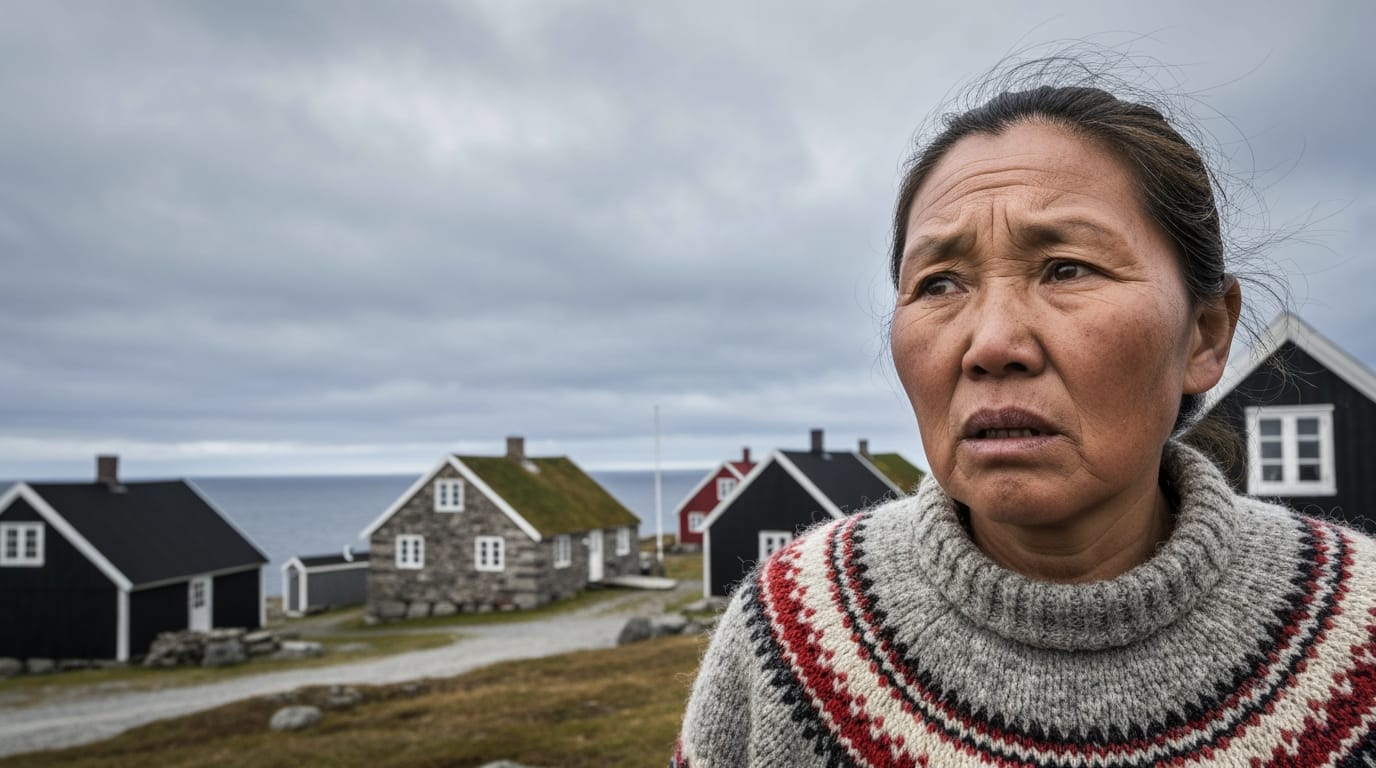
COPENHAGEN – Diplomatic efforts involving Greenland, Denmark, and the United States continue to unfold with a mix of cautious optimism and lingering uncertainty, as recent high-level talks address the intricate balance of strategic interests and self-determination in the Arctic. While all parties describe the ongoing discussions as positive, Greenland’s Foreign Minister, Vivian Motzfeldt, has emphasized that they have not yet reached the desired outcome, making the future trajectory of these relations difficult to predict. These dialogues are part of a broader, evolving geopolitical landscape where Greenland's strategic importance intersects with its aspirations for greater autonomy and Denmark's enduring sovereignty.
The Nuances of Recent Negotiations
Greenland's Foreign Minister Vivian Motzfeldt, speaking from Nuuk, acknowledged the constructive nature of recent engagements with the United States, yet underscored that the discussions have not fully met Greenland's expectations. "We are not there where we want to be yet," Motzfeldt stated, indicating that the path forward is likely to be extensive and its ultimate destination remains unclear. These sentiments were shared during a joint press conference that included her Danish and Canadian counterparts, highlighting the multilateral dimension of Arctic governance.
Denmark, which retains authority over Greenland's defense and foreign policy as an autonomous territory within its Kingdom, has welcomed these talks. The Danish foreign ministry indicated that the purpose of these diplomatic discussions is to address American security concerns in the Arctic while meticulously respecting the "red lines" established by the Kingdom of Denmark. Danish Foreign Minister Lars Rasmussen recently affirmed that Greenland, "for the time being and for foreseeable future," will remain within the Kingdom of Denmark, stressing the need for "respectful cooperation" with American allies that honors these sovereign boundaries.
A Deep-Seated Strategic Interest in the Arctic
The United States' interest in Greenland is deeply rooted in its strategic geographical location, serving as a critical nexus for military security and movement across the North Atlantic and the broader Arctic region. This interest dates back to World War II, when the US took over Greenland's defense, and intensified during the Cold War. The Pituffik Space Base, formerly known as Thule Air Base, stands as the US's northernmost military installation globally, operating under a defense agreement between Denmark and the United States. Established in 1951, this base is indispensable for missile warning, missile defense, and space surveillance missions, forming a vital component of Western and NATO defenses.
Over the decades, the US has sought to solidify its position in Greenland. An offer to purchase the island for $100 million in 1946 was rejected by Denmark, as was a similar attempt in 2019. However, a 1951 treaty allowed the US a significant role in Greenland's defense and the establishment of military bases. The evolving geopolitical landscape, particularly with increasing competition from Russia and China in the Arctic, has only reinforced Greenland's strategic value to both the United States and NATO. Concerns are rising among US officials about preventing rival nations from establishing a lasting presence in the region, particularly regarding Russian naval and missile activities, and growing Chinese investments.
The "Greenland Crisis" and its Aftermath
The delicate balance of these relationships was severely tested by a significant international crisis that emerged in 2025 and escalated in early 2026. During this period, the second Trump administration repeatedly sought to annex Greenland, triggering widespread condemnation. This pursuit included explicit threats of military force and a proposed 25% import tax on European Union goods if Denmark refused to cede the territory. These actions sparked a confrontation that threatened to fracture the NATO alliance and reignited concerns about a potential US-EU trade war.
The reaction from Greenland and Denmark was unequivocal. Both Greenland's government and the Danish leadership firmly rejected any American takeover, asserting their intent to defend Greenland's sovereignty. A YouGov poll revealed overwhelming opposition among Greenlanders, with 85% against a US takeover. The crisis also generated bipartisan opposition within the US Congress, with calls for Trump to reconsider his stance. Ultimately, on January 21, 2026, at the Davos conference, President Trump reversed course, ruling out the use of military force and abandoning tariff threats. This reversal came after discussions with the NATO Secretary-General, and the US later clarified that its engagement would be based on existing commitments under the 1951 US-Denmark treaty. This turbulent period highlighted the deep trust issues that can arise among allies and the importance of adhering to international norms and sovereignty.
Greenland's Path to Self-Determination and Economic Prospects
Greenland operates as an autonomous territory within the Kingdom of Denmark, having achieved Home Rule in 1979 and significant self-governance in 2009. The 2009 Self-Government Act explicitly recognizes the Greenlandic people's right to self-determination, including the option of full independence. While there is a clear political will within Greenland to eventually pursue independence, polls consistently indicate that this aspiration is tempered by a crucial condition: the preservation of its welfare state. Greenland is heavily reliant on annual financial aid from Denmark, which has averaged 5.4 billion Danish kroner (approximately €724 million) between 2019 and 2023, constituting over 20% of its gross domestic product.
Beyond its strategic defense value, Greenland also holds significant economic potential, particularly in its rich deposits of mineral resources such as lithium, niobium, and zirconium. These critical minerals are vital for the burgeoning green economy and defense industries globally. However, the development of these resources faces substantial environmental, technological, and political hurdles. The unique cultural values of Greenland's Inuit native population, which emphasize collective land stewardship, also play a crucial role in these discussions, often clashing with external notions of ownership. The expansion of partnerships in education, scientific research, and commercial ties remains a key focus for the US in strengthening its non-military relationship with Greenland.
An Unfolding Arctic Narrative
The ongoing discussions between Greenland, Denmark, and the United States exemplify the complex interplay of historical ties, contemporary strategic imperatives, and the inherent right to self-determination. While the recent diplomatic engagements have been framed as positive steps towards addressing shared concerns and fostering cooperation, the exact nature of future relationships remains fluid. The memory of recent geopolitical tensions, coupled with Greenland's evolving aspirations for independence and its economic potential, ensures that the Arctic will continue to be a region of intense international focus and delicate negotiation. The challenge lies in forging a future that respects sovereignty, upholds stability, and benefits all involved parties, charting a course through a rapidly changing global landscape.