Argentina's Anti-Corruption Crusade Falters as Top Aide Resigns Amid Graft Scandal
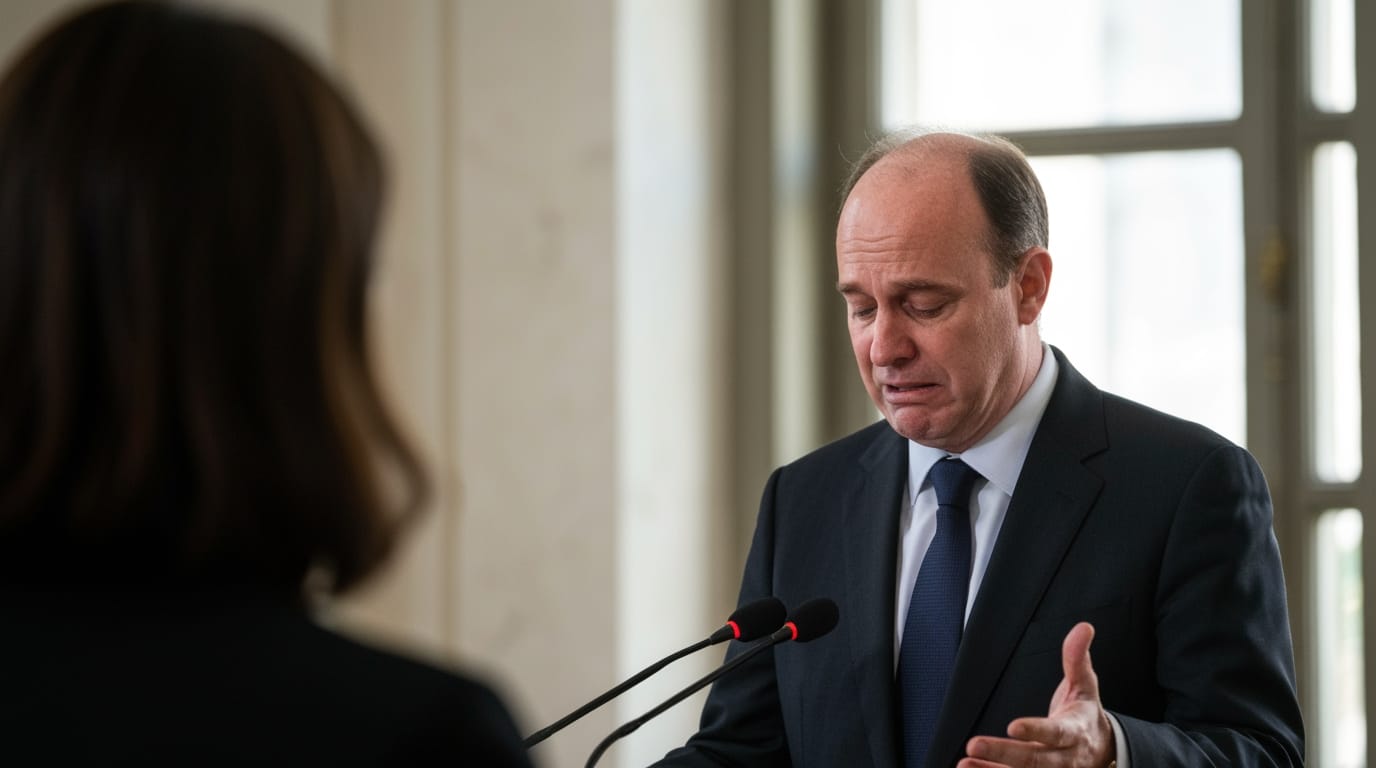
BUENOS AIRES, Argentina – President Javier Milei's libertarian government, elected on a fervent anti-corruption platform, has been rocked by the resignation of his Cabinet chief and close ally, Manuel Adorni, following a spiraling corruption scandal. Adorni's departure, confirmed Saturday, June 27, 2026, casts a significant shadow over Milei's administration, undermining its foundational promise to dismantle the pervasive graft long associated with Argentina's political elite and signaling a turbulent path forward for the embattled president.
The Shockwaves of a Key Departure
Manuel Adorni, who had served as Cabinet chief since late 2025 and previously as President Milei's outspoken spokesperson, was a prominent face of the administration's severe austerity program and its highly publicized anti-corruption drive. His resignation marks a significant blow to Milei, costing him one of his most trusted and longtime aides. Adorni himself conveyed his decision in a letter posted to social media, stating, "For the first time since December 10, 2023, I am going against your wishes," referencing the date Milei took office. He asserted he left with a "clear conscience" and denied wrongdoing, attributing his resignation to "harassment, the lies, and the constant attempts by the media to ruin my reputation." This departure follows an earlier shake-up in May 2024 when Milei's first Chief of Staff, Nicolás Posse, resigned due to "differences in criteria and expectations," a move unrelated to corruption allegations. Guillermo Francos briefly succeeded Posse before Adorni assumed the Cabinet chief role in October 2025. The swift turnover in such a critical position underscores the internal pressures facing Milei's government amidst mounting external scrutiny.
Unraveling the Allegations of Illicit Enrichment
The corruption scandal that led to Adorni's downfall centered on federal investigations into alleged illicit enrichment. Prosecutors have been scrutinizing his personal finances, particularly a series of luxury trips and significant property purchases that appeared inconsistent with his official salary. Among the controversial expenditures were a first-class holiday to Aruba over the Christmas period and a private jet flight to Uruguay during Carnival season. Further questions arose regarding the purchase of two properties: a 200-square-meter apartment in Buenos Aires and a house in a gated community, reportedly financed through generous loans. A contractor, Matías Tabar, alleged that Adorni paid nearly $250,000 in cash for lavish renovations, including a luxury marble swimming pool with a waterfall, without providing a receipt.
Initially, Adorni denied all accusations, maintaining that his wealth was accumulated prior to entering government and that personal trips were paid for with private funds. However, as pressure intensified, he publicly acknowledged in an interview earlier this month that he had maintained undeclared savings for years, a practice he described as common among Argentines, and admitted to correcting his tax declarations for 2023 and 2024 to reflect approximately $500,000 in previously unreported funds. He attributed this to an "involuntary mistake" and vowed to pay all corresponding taxes. Despite Milei's earlier staunch defense of Adorni, stating in May that "no way will Adorni leave" and that he would not "execute an innocent person," the mounting evidence and public pressure ultimately led to the Cabinet chief's resignation.
Broader Clouds Over Milei's Administration
Adorni's scandal is not an isolated incident; it forms part of a broader series of corruption allegations that have begun to plague President Milei's government. These accusations are particularly damaging for an administration that made the fight against "la casta" – the political class perceived as corrupt – a central tenet of its electoral campaign.
One significant controversy has implicated Milei's influential sister and close confidante, Karina Milei, who serves as the Secretary-General of the Presidency. Audio recordings have surfaced, allegedly detailing a bribery scheme involving kickbacks from pharmaceutical sales to Argentina's National Disability Agency (ANDIS). A former government official, Diego Spagnuolo, reportedly claimed that Karina Milei received 3% from each contract, with the alleged scheme generating between $500,000 and $800,000 per month in bribes. Investigations are ongoing in both Congress and the judiciary, raising concerns especially among families dependent on state-provided healthcare and therapies, which have faced cuts under Milei's austerity measures.
Another scandal involves the promotion of a cryptocurrency, the $LIBRA token, by President Milei himself on social media in February 2025. Following his endorsement, the token's price surged but then rapidly collapsed, wiping out an estimated $250 million in investments for approximately 13,000 token holders. New evidence, including a purported $5 million financial agreement recovered by state investigators, allegedly links payments to entities connected to Milei, further fueling claims of a bribery scheme. This has not only damaged crypto's reputation in Argentina but also intensified scrutiny on the president's financial dealings.
Moreover, other high-ranking officials within the Milei administration have faced corruption accusations. The head of Argentina's tax-collection authority is under investigation for allegedly omitting multimillion-dollar foreign properties from asset declarations. Similarly, a top official at the economy ministry was dismissed after failing to declare seven apartments in Florida. These incidents collectively contribute to a growing perception of instability and compromised integrity within the government.
Political Fallout and Erosion of Trust
The accumulating corruption scandals represent a significant challenge to Javier Milei's political standing and the credibility of his reform agenda. His approval ratings have plummeted, with some polls showing a drop from 53% to as low as 35.5% or 39%. This decline is particularly notable given his landslide victory in 2023, which was largely propelled by a public mandate for change and an end to corruption. Public outrage has been palpable, with corruption now ranking as a major concern for more than 50% of Argentines, according to some surveys.
The timing of these revelations is especially problematic as the government navigates a challenging economic landscape, marked by persistent high inflation, rising unemployment, and declining business activity despite initial successes in fiscal consolidation. The perception of corruption within the highest echelons of power risks eroding public support for the stringent austerity measures and structural reforms that Milei is attempting to implement, which have already led to significant cuts in public spending and social programs. Critics point to the irony of an administration that promised to root out corruption now grappling with numerous allegations against its own members, especially when such claims involve the president's inner circle. Milei's initial defiance and steadfast defense of Adorni, and his characterization of the accusations as politically motivated "campaigns" or "lies," have done little to quell public concern.
A Critical Juncture for Milei's Governance
Manuel Adorni's resignation over a corruption scandal marks a critical juncture for President Javier Milei's administration. It not only removes a key figure from his inner circle but also severely tests the integrity of his anti-corruption agenda, which was a cornerstone of his appeal to the Argentine electorate. The confluence of economic hardship and high-profile corruption allegations poses a formidable challenge to Milei's ability to maintain public trust and advance his ambitious reform program. As federal investigations continue and public dissatisfaction grows, the government faces increasing pressure to demonstrate transparency and accountability. The path ahead will demand a renewed commitment to ethical governance if Milei is to reclaim the moral authority that once defined his political ascendancy and deliver on his promises to transform Argentina.


