Armenia at a Crossroads: What's at Stake in Parliamentary Elections
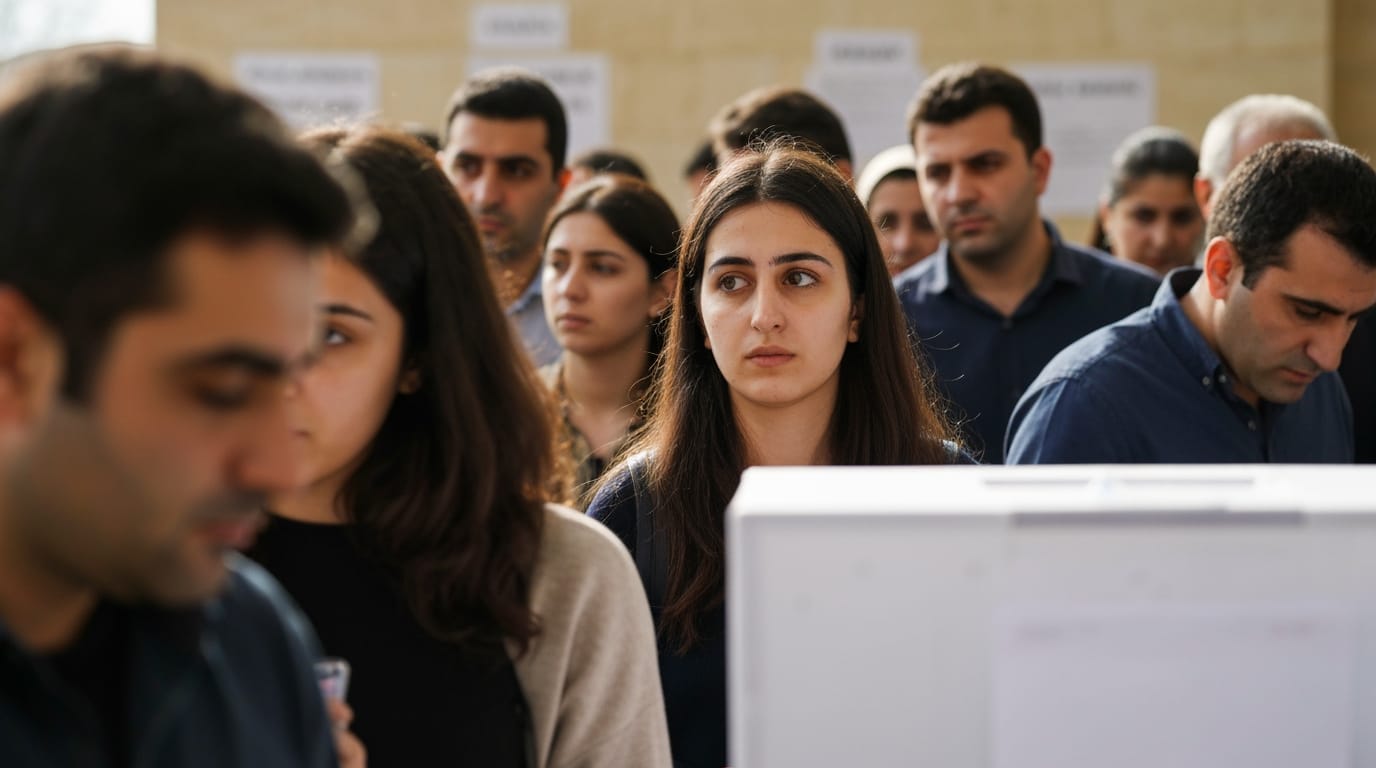
YEREVAN, Armenia – With the echoes of recent conflicts still reverberating across the South Caucasus, Armenia finds itself at a pivotal juncture, where future parliamentary elections, whenever they may occur, will determine the nation's trajectory in a dramatically reshaped geopolitical landscape. The stakes extend far beyond domestic policy, encompassing national security, economic survival, and the very identity of a nation grappling with profound loss and the urgent need for strategic reorientation. The parliamentary elections, serving as the ultimate arbiter of public trust, are poised to be a referendum on the country's past handling of crises and its vision for a precarious future.
Armenia's political scene has been in a state of flux since the 2020 Nagorno-Karabakh war, a conflict that ended in a devastating defeat and significant territorial losses for Yerevan. The immediate aftermath saw widespread public anger and calls for the resignation of Prime Minister Nikol Pashinyan. Despite immense pressure and persistent protests, Pashinyan managed to consolidate his power through snap parliamentary elections held on June 20, 2021. His Civil Contract Party secured a decisive victory, capturing 53.95% of the vote and 71 out of 107 seats, granting them a formidable supermajority in the National Assembly. This outcome, while demonstrating a mandate for Pashinyan, also underscored the deep divisions within Armenian society, with the opposition Armenia Alliance, led by former President Robert Kocharyan, emerging as the second-largest bloc. The 2021 elections primarily centered on national security, the future status of Nagorno-Karabakh, and the pressing need for economic recovery in the wake of the war and the global pandemic. Pashinyan's campaign emphasized a platform of reform and anti-corruption, while his detractors focused on his management of the war effort.
The political calculations and the very definition of "stakes" have been dramatically recalibrated since September 2023, when Azerbaijan launched a swift offensive that led to the complete takeover of Nagorno-Karabakh and the subsequent exodus of nearly the entire ethnic Armenian population from the enclave. This humanitarian catastrophe and loss of ancestral lands have fundamentally altered Armenia's national priorities. Any future parliamentary elections will inevitably be dominated by concerns of national survival, the integration and welfare of tens of thousands of displaced Karabakh Armenians, the inviolability of Armenia's internationally recognized borders, and its increasingly fraught relations with Azerbaijan and Turkey. The psychological and demographic impact of this displacement is immense, placing unprecedented demands on the state to provide housing, employment, and social services for the newly arrived population.
Economically, Armenia faces an uphill battle. The lingering effects of the 2020 war, compounded by regional blockades and the integration of a substantial refugee population, present significant hurdles. High unemployment persists, and the need for robust foreign investment and diversified trade routes is more urgent than ever. The long-term economic viability of the nation hinges on its ability to foster stability and attract much-needed capital to rebuild and grow. The parliamentary platform will undoubtedly feature fierce debates on strategies for economic revitalization, job creation, and fostering an environment conducive to sustainable development in a region fraught with instability.
Geopolitical realignments represent another critical dimension of what's at stake. Historically, Armenia has relied heavily on Russia as its primary security guarantor. However, perceived insufficient support during the 2020 and 2023 conflicts has prompted Yerevan to critically re-evaluate its traditional alliances. This shift has seen Armenia increasingly explore closer ties with Western powers, including the European Union and the United States, seeking to diversify its security partnerships and economic dependencies. Future elections will likely determine the extent and speed of this strategic pivot, influencing Armenia's foreign policy orientation for decades to come. The delicate balancing act between maintaining some relations with Russia while forging new alliances with the West will be a central theme for any incoming government.
Public sentiment in Armenia remains a complex tapestry of division, disillusionment, and a desperate hope for stability. While the current government maintains its parliamentary majority, there is undeniable discontent over past security failures and the ongoing humanitarian crisis. Yet, this sentiment is often counterbalanced by a deep-seated desire to avoid further conflict and to ensure the country's long-term stability. The electorate will be scrutinizing candidates not only on their proposed solutions to current challenges but also on their perceived ability to navigate the complex regional dynamics without provoking further hostilities. Human interest elements, particularly the plight of the displaced Karabakh Armenians, will resonate deeply with voters, pushing for concrete plans for their integration and long-term well-being.
In essence, parliamentary elections in Armenia are not merely about selecting representatives; they are about charting a course for national survival and reconstruction. The choices made by the Armenian electorate and its political leadership in upcoming elections will determine the country's ability to heal from past traumas, rebuild its economy, secure its borders, and define its place in a volatile geopolitical landscape. The path forward is fraught with challenges, but also holds the potential for resilience and a renewed sense of national purpose, provided the right leadership can unite a fractured populace and navigate the nation towards a more secure future.


