Tanzania's President Engages Russia in Historic Visit Amid Strained Western Relations
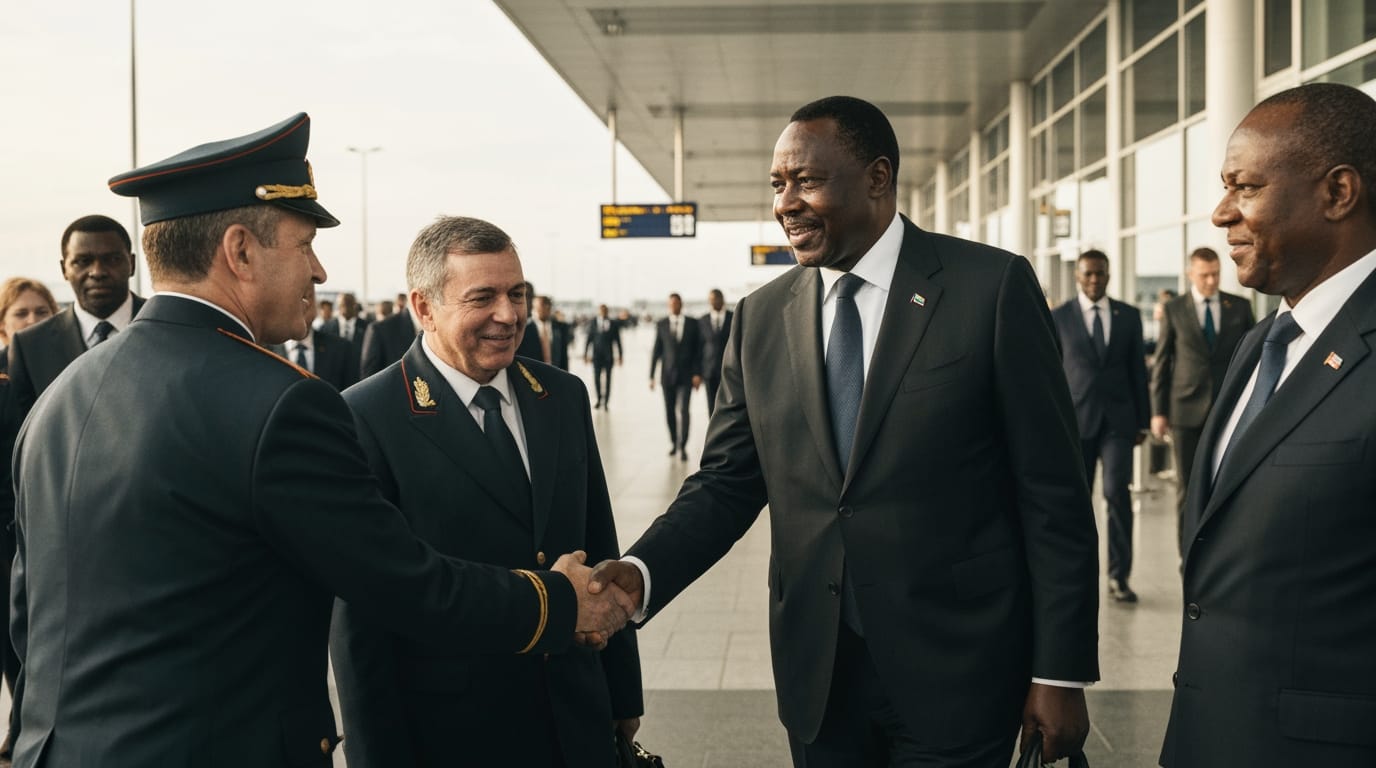
Moscow, Russia – Tanzanian President Samia Suluhu Hassan has embarked on a landmark state visit to Russia, marking the first such engagement by a Tanzanian head of state in over five decades. The three-day visit, from June 3 to June 5, 2026, comes at a critical juncture, with Tanzania facing mounting scrutiny from Western nations over its human rights record and electoral integrity. This strategic outreach to Moscow signals Tanzania's pursuit of a diversified foreign policy and economic partnerships, while Russia aims to strengthen its alliances on the African continent amid its own international isolation.
A Renewed Diplomatic Chapter
President Suluhu's visit to Russia is historically significant, being the first since Tanzania's founding father, Mwalimu Julius Nyerere, traveled to the Soviet Union in October 1969. Upon her arrival in Moscow on Wednesday, President Suluhu emphasized the importance of the trip, stating it aligns with Tanzania's Vision 2050 development blueprint, which prioritizes private sector investment and economic transformation. Discussions with Russian President Vladimir Putin and other officials are slated to cover a broad spectrum of cooperation, including energy, infrastructure, agriculture, education, industrial development, trade, and tourism. The visit also includes President Suluhu's participation in the St. Petersburg International Economic Forum (SPIEF), a prominent global investment gathering, where she is expected to market Tanzania as an attractive investment destination and seek wider market access for Tanzanian exports. As a gesture of goodwill and recognition, President Suluhu is also scheduled to receive an honorary doctorate from the Peoples' Friendship University of Russia (RUDN University), acknowledging her leadership and contributions to education and diplomacy.
Geopolitical Chessboard: Tanzania's Western Strains Meet Russia's African Ambitions
The timing of President Suluhu's visit to Moscow is particularly noteworthy, unfolding against a backdrop of significantly strained relations between Tanzania and its traditional Western partners. Following contentious elections in October 2025, Western diplomats and human rights organizations have leveled accusations against the Tanzanian government, citing allegations of massacres during election unrest and a series of abductions and murders of critics. In response to these concerns, the United States announced a review of its relations with Tanzania and recently sanctioned a senior police officer for the alleged torture of two prominent activists. Conversely, Russian President Vladimir Putin was among the first world leaders to congratulate President Hassan on her electoral victory, which saw her claim 98 percent of the vote, a move that has been seen as a sign of warming ties. Russia had previously dispatched a high-level delegation to Tanzania in November 2025, shortly after the disputed election, to offer support amidst domestic and international criticism.
This engagement aligns with Russia's broader strategic push to expand its influence across Africa, especially since its full-scale invasion of Ukraine in 2022, which has led to increased Western sanctions and diplomatic isolation. Moscow views the African continent as crucial for breaking isolation, reasserting its global relevance as a proponent of a "multipolar world," and advancing its geopolitical interests in sectors like mining, energy, and military presence. Russia's strategy often involves cultivating relationships with nations seeking to diversify their partnerships or those facing international criticism, frequently offering military cooperation and political support without democratic preconditions. Analysts suggest that Russia aims to secure diplomatic support from African nations, including abstentions on critical votes at the United Nations, even if the direct economic benefits are limited.
Economic Realities and Future Prospects
Despite the high-level diplomatic overtures, the current economic ties between Tanzania and Russia remain modest. Annual bilateral trade stands at just over $307 million, and a long-standing planned uranium mine project represents one of the few concrete joint ventures, having been on the drawing board for more than a decade. However, efforts are underway to bolster economic engagement. A Russia-Tanzania Business Council was established in January, and Air Tanzania recently announced plans to launch direct flights to Moscow by the end of 2026, aiming to foster greater connectivity and trade.
Tanzania, through this visit, seeks tangible investment opportunities and technology transfer in key sectors to fuel its Vision 2050. President Suluhu explicitly mentioned strengthening cooperation in strategic areas that directly impact the lives of ordinary citizens, including energy, infrastructure, and education. This reflects Tanzania's broader economic diplomacy agenda, which involves participating in major international platforms to attract investment and foster trade. Russia's engagement in Africa typically includes investments in natural resources, nuclear power technology, and arms sales.
Tanzania's Enduring Policy of Non-Alignment
Tanzania's decision to deepen ties with Russia can also be understood within its longstanding foreign policy doctrine of non-alignment. Since its independence, Tanzania has consistently adhered to principles of non-alignment and South-South cooperation, seeking to maintain sovereignty and avoid entanglement in superpower rivalries. This policy, championed by Mwalimu Julius Nyerere, emphasized fostering economic cooperation with various development partners and safeguarding national interests.
In May 2025, Tanzania launched a revised National Foreign Policy, reaffirming its commitment to Pan-African values, regional integration, and diversifying its international partnerships. President Suluhu's administration views this engagement with Russia as a means to expand its diplomatic and economic options, ensuring that Tanzania is not overly reliant on any single bloc of nations. This approach allows Tanzania to seek mutually beneficial relationships globally, aligning with its national development goals and strategic autonomy.
Conclusion
President Samia Suluhu Hassan's historic visit to Russia underscores a complex interplay of domestic imperatives, geopolitical shifts, and enduring foreign policy principles. For Tanzania, it represents a strategic pivot to diversify economic partnerships and assert its sovereign right to engage with any nation, particularly amidst mounting pressure from Western countries. For Russia, the visit is an opportunity to solidify its presence in a crucial African nation, projecting an image of international camaraderie and challenging Western dominance on the continent. While the immediate economic impacts remain to be fully realized, the diplomatic significance of this visit is undeniable, reshaping Tanzania's international posture and contributing to the evolving dynamics of a multipolar global order.


