Kenya's Invisible Epidemic: Missing Children Expose Critical Systemic Failures
Nairobi, Kenya – A silent crisis is sweeping across Kenya, leaving thousands of families in agonizing uncertainty and exposing profound vulnerabilities within the nation's child protection mechanisms. Recent government data reveals an alarming surge in missing children cases, with an average of 23 minors disappearing or being abducted each day between January 2025 and March 2026. This stark reality underscores a complex web of systemic gaps, societal pressures, and criminal exploitation that demands urgent and coordinated intervention.
The scale of this issue extends far beyond mere statistics, impacting the social fabric of communities and challenging the country's commitment to safeguarding its youngest citizens. While various government entities and non-governmental organizations are working to address the problem, inconsistencies in data collection, slow response times, and a lack of integrated approaches have allowed the crisis to deepen, turning the search for many children into an enduring nightmare for their loved ones.
The Alarming Scope of Disappearances
Official figures paint a troubling picture of childhood vulnerability in Kenya. Between January 2025 and March 2026, the Child Protection Information Management System (CPIMS) recorded 10,581 child protection cases nationwide. These incidents included 1,952 abductions, 1,636 reports of missing children, 173 trafficking cases, and a significant 6,820 cases of abandonment. Among these, at least 2,328 children remain unaccounted for, their whereabouts unknown, leaving a permanent void in their families and communities.
Counties with high population densities and significant urban migration, such as Nairobi, Nakuru, Kakameu, Homa Bay, and Kiambu, have become epicenters of this crisis, recording the highest numbers of child protection cases. While some children are eventually reunited with their families, others are found deceased, or vanish without a trace, highlighting the severe risks they face once outside protective environments. Community-led organizations like Missing Child Kenya Foundation attest to the pervasive nature of the problem, having located over 1,000 children since 2016, though sadly, some were found dead or placed into government care.
Root Causes and Exploitation Networks
The factors driving these disappearances are multi-faceted, ranging from dire economic hardship to sophisticated criminal enterprises. Poverty and unstable home environments are primary contributors, often leading to neglect, domestic violence, and food insecurity, which render children highly susceptible to exploitation. Many children either flee abusive situations or are lured away by false promises of employment, educational opportunities, or financial stability, seeking an escape from their challenging realities.
Organized trafficking networks exploit these vulnerabilities, operating both within Kenya's borders and across regional lines. These syndicates target children for a range of illicit activities, including illegal adoption schemes, domestic servitude, forced labor, street exploitation, and transnational smuggling. Urban hubs like Nairobi and Mombasa are particularly vulnerable due to their high population turnover and inadequate monitoring systems. The rapid expansion of internet access has also introduced a new threat: online grooming. Predators leverage social media and messaging platforms to manipulate minors through deceptive identities and emotional ploys, leading some children into dangerous real-world encounters.
Furthermore, the breakdown of traditional community support networks in rapidly urbanizing areas, coupled with weak social protection systems, leaves many children, especially those in low-income settlements, unsupervised and exposed to grave dangers. The issue of parental neglect, sometimes stemming from extreme poverty, is also significant, with government data indicating that a substantial portion of reported child protection cases are linked to this factor.
Critical Gaps in the Protection System
Despite the existence of legal and institutional frameworks, several critical gaps undermine Kenya's ability to effectively protect its children. A significant challenge lies in the inconsistent and fragmented nature of investigations and data collection. Reports are often delayed, and some families, burdened by stigma or a lack of trust in authorities, hesitate to report disappearances, losing precious time during the critical initial hours. Child rights advocates consistently highlight that the first hours after a child goes missing are crucial for successful recovery efforts.
Coordination between various agencies, including law enforcement and child welfare institutions, remains inadequate, and some officers lack sufficient training in child protection. This often results in slow responses, poor follow-up, and conflicting information from different government departments, which only compounds the anxiety for searching families. The absence of a unified national database to consolidate figures and track cases across different institutions further exacerbates these coordination challenges.
Moreover, child protection facilities are frequently under-resourced, facing budget constraints, staffing shortages, and insufficient infrastructure. While the Children Act of 2022 aims to strengthen the framework, implementation gaps persist, hindering the effectiveness of intended reforms. The practice of outsourcing vital child protection functions to underfunded civil society organizations without full integration into state systems also creates dangerous operational gaps and delays.
Response Efforts and Lingering Obstacles
In response to growing public concern, the Ministry of Gender, Culture and Children Services has implemented new directives. Most notably, the requirement for families to wait 24 hours before reporting a missing child has been scrapped, with authorities now urging immediate reporting to either the police or the Children's Department. A multi-agency approach has been introduced, mandating joint reporting and accountability for officers who fail to act promptly. Discussions are also underway to operationalize a National Child Protection Command Centre to coordinate rapid responses and enhance intelligence gathering.
Organizations like Childline Kenya operate the toll-free National Child Helpline 116, offering counselling, crisis intervention, and rescue coordination. Missing Child Kenya Foundation utilizes technology and crowdsourcing, leveraging social media platforms to disseminate alerts and mobilize public assistance, demonstrating the power of community involvement in locating missing children. These digital networks have become critical, often spreading information faster than formal systems.
However, significant obstacles remain. The number of children requiring care far outstrips available resources, with over 44,000 children currently residing in government institutions without identified parents or guardians. Ensuring the prompt accountability of non-responsive officers, consolidating disparate data systems, and securing sustained funding for both state and non-state actors are ongoing challenges that require robust political will and continuous oversight.
The Human Toll and a Call for Unified Action
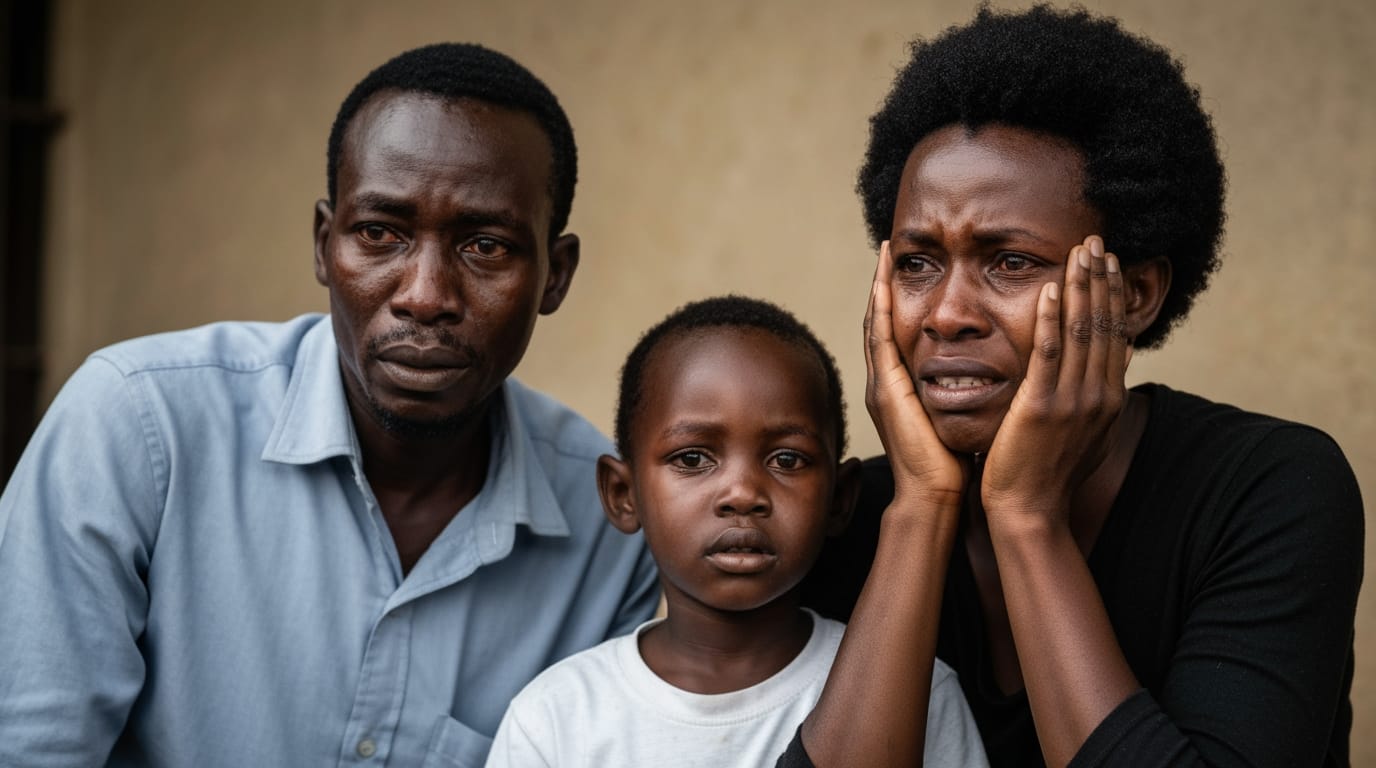
Beyond the statistics and policy discussions lies the profound human cost of this crisis. Families endure unimaginable psychological torment, trapped in a relentless cycle of hope and despair. The absence of a child creates a wound that, unlike death, often never truly heals, leaving parents in an emotional limbo, searching tirelessly while feeling abandoned by the very systems meant to protect them. These families often bear the solitary burden of searching, spending years and exhausting resources, while the wider society often moves on too quickly.
Kenya's missing children crisis is a complex societal challenge that highlights the urgent need for a cohesive, well-resourced, and accountable child protection system. Addressing this issue requires more than reactive measures; it demands a proactive, preventive approach that tackles the root causes of vulnerability, strengthens family support structures, and ensures that every child can grow up in a safe environment. Only through sustained collective responsibility from government agencies, civil society, communities, and individuals can Kenya hope to stem this tragic tide and ensure that no child becomes just another statistic in a system that failed them.


