Russia and Taliban Forge New Alliance Amidst Geopolitical Shifts and Shared Concerns
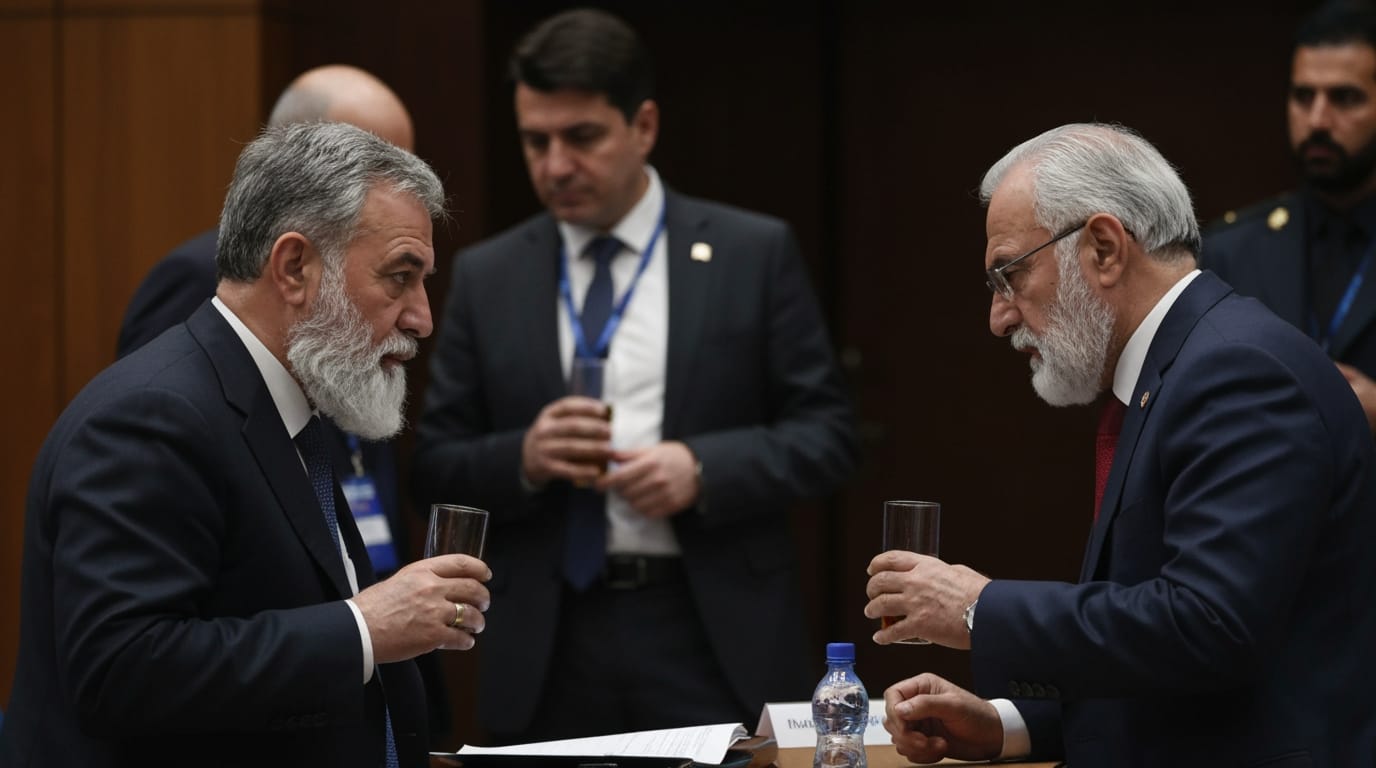
In a dramatic recalibration of its foreign policy, Russia has moved decisively to normalize relations with Afghanistan's Taliban administration, marking a profound departure from decades of hostility. This rapprochement, highlighted by the removal of the Taliban from Russia's list of banned terrorist organizations, formal diplomatic recognition, and a recent military-technical cooperation agreement, underscores Moscow's pragmatic pursuit of strategic interests in a rapidly evolving geopolitical landscape. The burgeoning relationship signals a complex interplay of security concerns, economic opportunities, and a desire to challenge Western influence, all while offering the internationally isolated Taliban a crucial pathway to legitimacy.
A Historic Shift: From Adversaries to Pragmatic Partners
The trajectory of Russia's engagement with the Taliban has undergone a significant transformation, culminating in a series of landmark decisions in 2025 and 2026. Historically, Russia, like many nations, viewed the Taliban as a terrorist organization, a designation it applied in 2003. Concerns over the Taliban's support for Chechen rebels in the late 1990s and anxieties about Afghanistan becoming a haven for jihadist groups targeting Russia and Central Asia shaped this stance. Russia even provided support to the Northern Alliance, a formidable adversary of the Taliban, following the latter's 1996 takeover of Kabul.
However, a strategic re-evaluation began around 2015, driven largely by the emergence and expansion of Islamic State Khorasan Province (ISIS-K) in Afghanistan. Russia recognized a shared enemy in ISIS-K, prompting a shift toward engagement with the Taliban, who were also actively combating the group. This pragmatic approach intensified following the U.S. withdrawal from Afghanistan in August 2021, when Russia notably kept its embassy in Kabul operational.
The most significant steps in formalizing this relationship occurred recently. In April 2025, Russia's Supreme Court removed the Taliban from its list of banned terrorist organizations, a move that laid the legal groundwork for expanded cooperation. This decision followed legislative amendments introduced in May 2024, establishing a mechanism for delisting such groups. President Vladimir Putin had earlier in 2024 described the Taliban as "allies in the fight against terrorism," signaling Moscow's intent. By July 2025, Russia became the first country to formally recognize the Taliban government, a move surpassing mere diplomatic engagement. The process continued into January 2026, when President Putin accepted the credentials of the Taliban-appointed ambassador to Moscow. This diplomatic ascent culminated in May 2026 with the signing of a military-technical cooperation agreement between Russia and the Taliban, further cementing their burgeoning alliance.
Moscow's Multilayered Motivations: Security, Geopolitics, and Economy
Russia's decision to embrace the Taliban is not rooted in ideological alignment but rather in a calculated pursuit of national and regional interests. A primary driver is security, particularly the escalating threat posed by ISIS-K. Moscow views the Taliban as a necessary partner in containing extremist groups operating near its Central Asian borders. The March 2024 concert hall attack outside Moscow, claimed by ISIS, underscored the urgency of this threat, with U.S. officials indicating the involvement of ISIS-K. Russia seeks guarantees that Afghanistan will not become a sanctuary for terrorist groups targeting Russia or its allies.
Geopolitical considerations also play a significant role. Russia is leveraging its engagement with the Taliban to challenge Western norms and U.S. influence in the region. By engaging with a group that the West largely isolates, Moscow positions itself as a counterweight to U.S. hegemony and signals its return to global power competition. This move aligns with a broader strategy of contesting Western norms by engaging with non-Western regimes and seeking allies amidst international sanctions and isolation following events like the Ukraine conflict. Furthermore, it aims to pull Afghanistan out of the Western orbit, potentially aligning it with a Eurasian-centric bloc including China and Iran.
Economic interests form another crucial pillar of this burgeoning relationship. Despite the ongoing international isolation of the Taliban, Russia sees potential for trade, investment, and infrastructure development in Afghanistan. Discussions have revolved around Afghanistan as a transit hub for Russian natural gas to India and other goods to Pakistani ports. Russia has also expressed interest in Afghanistan's vast untapped mineral reserves. Bilateral trade between Russia and Afghanistan reportedly reached $1 billion in 2024, with projections for a rise to $3 billion in 2025. Commodity deals have been struck, with Afghanistan receiving gasoline, diesel fuel, liquefied petroleum gas, and wheat from Russia. These economic ties offer Russia new markets and opportunities, especially as it seeks to diversify partnerships under Western sanctions.
The Taliban's Quest for International Legitimacy and Survival
For the Taliban, the overtures from Moscow represent a vital lifeline in their desperate quest for international legitimacy and economic stability. Since their return to power in 2021, the Taliban administration has faced widespread global non-recognition, crippling sanctions, and a devastated economy. Formal recognition from a permanent member of the UN Security Council like Russia is a significant diplomatic victory that could encourage other nations to follow suit. This diplomatic endorsement helps to break their international isolation, which has largely cut off Afghanistan's banking sector from the global financial system and frozen billions in central bank assets.
Beyond political recognition, the engagement with Russia provides the Taliban with crucial economic support, including essential commodities like fuel and wheat, which are vital for a country struggling with humanitarian crises. Moreover, cooperation with Russia against ISIS-K aligns with the Taliban's own security priorities, as they too view ISIS-K as a direct and dangerous rival. Such collaboration provides a potential framework for strengthening their hold on power and addressing internal security threats. The military-technical cooperation agreement signed in May 2026 further solidifies this security partnership.
Regional Ripples and Global Repercussions
The deepening ties between Russia and the Taliban carry significant implications for regional stability and the broader international order. For Central Asian nations bordering Afghanistan, such as Tajikistan and Uzbekistan, Russia's policy shift could serve as a "green light" to expand their own engagement with the Taliban, driven by security and economic interests. While some Central Asian governments have already established pragmatic relations, fears remain about Taliban-inspired radicalization and cross-border militancy.
Globally, Russia's embrace of the Taliban is perceived by some as a direct challenge to the U.S. and its allies, undermining Western diplomatic efforts to isolate the group. This move could complicate international consensus on Afghanistan and potentially lead to a fragmented approach to the country's future. Western diplomats, for instance, note that wider international recognition for the Taliban remains stalled due to their policies on women's rights, particularly the closure of schools and universities for girls and restrictions on women's movement. Russia's recognition, however, could provide the Taliban with a blueprint for broader global acceptance, especially if coupled with measured reforms.
While the immediate benefits for both Moscow and Kabul appear clear, the long-term success and stability of this alliance remain uncertain. Russia's strategic defiance of Western norms comes with risks, potentially fueling instability that could reverberate back to its own borders.
A Calculated, Complex Future
The evolving relationship between Russia and the Taliban represents a complex, calculated gamble for both parties. For Russia, it is a strategic maneuver to bolster its influence in Central Asia, counter perceived threats from extremist groups like ISIS-K, and carve out new economic avenues while challenging the unipolar international order. For the Taliban, it offers a crucial opportunity to break free from international isolation, secure vital economic assistance, and gain a powerful partner in addressing internal security challenges.
This pragmatic alignment, however, is not without its complexities or critics. The historical animosity, the Taliban's continued human rights record, and the delicate balance of regional power dynamics mean that this "cozying up" is a marriage of convenience, driven by immediate strategic necessities rather than shared values. The long-term trajectory will depend on the Taliban's ability to maintain internal stability and Russia's capacity to balance its strategic ambitions with the inherent volatility of the Afghan landscape, all while navigating a skeptical international community.


