Aromatic Odyssey: Tracing Perfume's Enduring Journey from Ancient Rituals to Digital Trends
From the sacred chambers of ancient temples to the trending feeds of social media, perfume has embarked on a remarkable journey, evolving from a ceremonial offering to a global phenomenon reflecting culture, status, and personal expression. This fragrant art, spanning millennia and continents, underscores humanity's timeless connection to scent, adapting its form and function across diverse civilizations and technological advancements. Its story is one of innovation, luxury, and the persistent human desire to capture and convey the ephemeral power of aroma.
Ancient Origins: Scent as Sacred and Status Symbol
The earliest documented uses of perfume date back to ancient Mesopotamia and Egypt, where its purpose was deeply rooted in religious rituals and as a marker of social standing. Egyptians, for instance, used aromatic resins, oils, and balms not only for embalming and religious ceremonies but also for personal adornment and medicinal purposes. Myrrh, frankincense, and kyphi, a complex blend of 16 ingredients, were central to these practices, believed to connect the earthly realm with the divine. The burning of incense was a daily ritual in temples, while scented oils were integral to cleansing and beautification. Cleopatra, an iconic figure of antiquity, famously used the power of scent for seduction and political influence. Across the ancient world, from the Indus Valley Civilization to China, aromatic materials like sandalwood, jasmine, and musk were valued for their spiritual significance, healing properties, and ability to enhance personal presence. In ancient Rome, perfume indulgence reached new heights, with scents imported from across the empire, becoming a booming industry. Romans utilized perfumes not just on their bodies but also in public baths, on clothing, and even in their homes, signifying wealth and refinement.
The Eastern Renaissance: Innovation and the Spread of Olfactory Knowledge
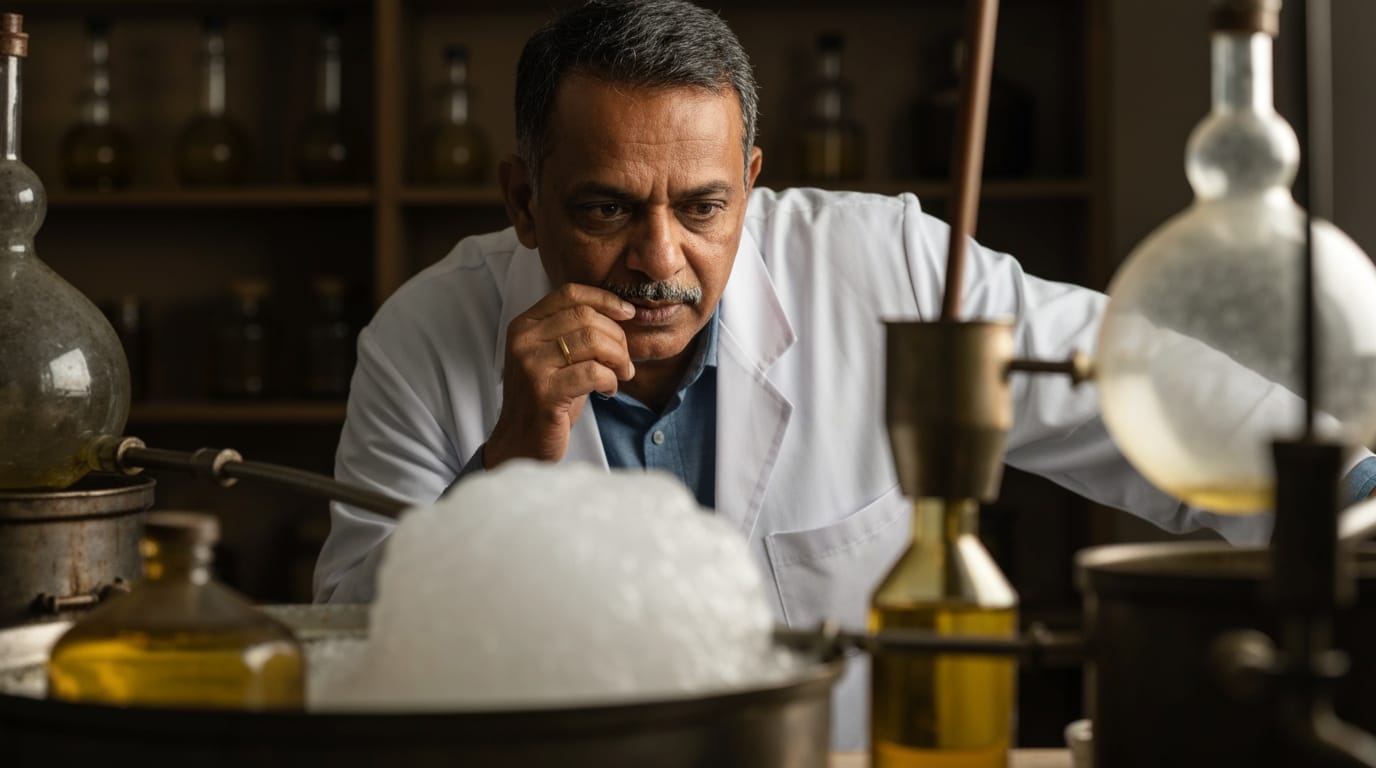
While the ancient world laid the groundwork, it was during the Islamic Golden Age that perfumery underwent a significant transformation, with advancements that would profoundly shape its future. Persian and Arab chemists, notably Ibn Sina, developed the process of distillation in the 9th century, allowing for the extraction of essential oils from flowers, most famously the rose. This innovation moved perfumery beyond mere burning of resins and oils, enabling the creation of lighter, more refined fragrances and floral waters. The Middle East became a hub for the cultivation of new aromatic ingredients and the refinement of extraction techniques, introducing the world to scents like oud, musk, and ambergris, which became cornerstones of oriental perfumery. These sophisticated perfumery techniques and diverse ingredients spread along trade routes, influencing cultures from India to Europe. Medieval Europe, initially exposed to Eastern perfumes through returning Crusaders, gradually embraced these aromatic luxuries, which were often used to mask unpleasant odors in an era of less frequent bathing.
European Artistry: From Grasse to Global Domination
The true artistic development of modern perfumery began to flourish in Europe, particularly in Italy and then in France. Italian perfumers in the Renaissance were pioneers, blending Eastern ingredients with indigenous botanicals, creating complex fragrances that became highly sought after by European royalty and nobility. Catherine de' Medici is often credited with bringing Italian perfumery expertise to France in the 16th century, establishing a tradition that would cement France's reputation as the global capital of fragrance. The town of Grasse, nestled in the south of France, emerged as the epicenter of perfume production, initially driven by its leather tanning industry which used scented gloves to mask the smell of tanned hide. Grasse's ideal climate for cultivating fragrant flowers like jasmine, roses, and tuberose, combined with skilled perfumers, transformed it into the "perfume capital of the world". During the 17th and 18th centuries, perfume became an indispensable accessory for European aristocrats, symbolizing status, fashion, and even political allegiance. The 19th century witnessed further evolution, influenced by social, technological, and cultural changes, making perfume an integral part of social life and a symbol of refinement.
The Modern Era: Democratization, Niche Scents, and Digital Influence
The late 19th and early 20th centuries brought about another revolution in perfumery with the advent of synthetic ingredients. This innovation, alongside advancements in chemistry, made perfumes more accessible and affordable, moving them from exclusive luxury items to products enjoyed by a broader public. Fragrance houses began to emerge, mass-producing iconic scents that defined eras. The 20th century saw perfume democratized, with a vast array of scents catering to diverse tastes and demographics.
In the 21st century, the perfume landscape has continued to diversify, with a notable rise in niche fragrances that prioritize unique, artistic compositions over mass appeal. These smaller, independent brands often emphasize high-quality raw materials, innovative blends, and storytelling, attracting consumers seeking distinctiveness. Parallel to this, the digital age has ushered in new ways for perfume enthusiasts to connect, discover, and discuss fragrances. Social media platforms, particularly TikTok, have emerged as powerful arenas for perfume culture. "Fragrance TikTok" has become a vibrant community where users share reviews, discuss scent profiles, recommend "dupes" (duplications of popular fragrances), and even demonstrate scent layering techniques. The platform has fueled trends, boosted the visibility of both established and niche brands, and fostered a renewed interest in the emotional and memory-evoking power of scent. This digital interaction highlights perfume's ability to heal and reconnect individuals with their past, as users explore fragrances that evoke personal memories or emotional connections. Consumers, armed with information and peer recommendations from online communities, are increasingly empowered to explore, personalize, and curate their "fragrance wardrobes."
An Ever-Evolving Aromatic Tapestry
The journey of perfume is a testament to its enduring allure and adaptability. From its ancient origins as a sacred offering and status symbol, through the groundbreaking innovations of the Middle East and the artistic refinement in Europe, to its contemporary presence on digital platforms, perfume has continually reinvented itself. It remains a powerful medium for personal expression, a gateway to memory, and a cross-cultural art form that transcends time and geography. As global influences continue to intertwine and digital connectivity deepens, the world of fragrance is poised for further evolution, blending rich traditions with cutting-edge creativity, promising new aromatic experiences that will continue to captivate and inspire.