Berlinale Navigates Turbulent Waters Amidst Polarized Gaza Debate
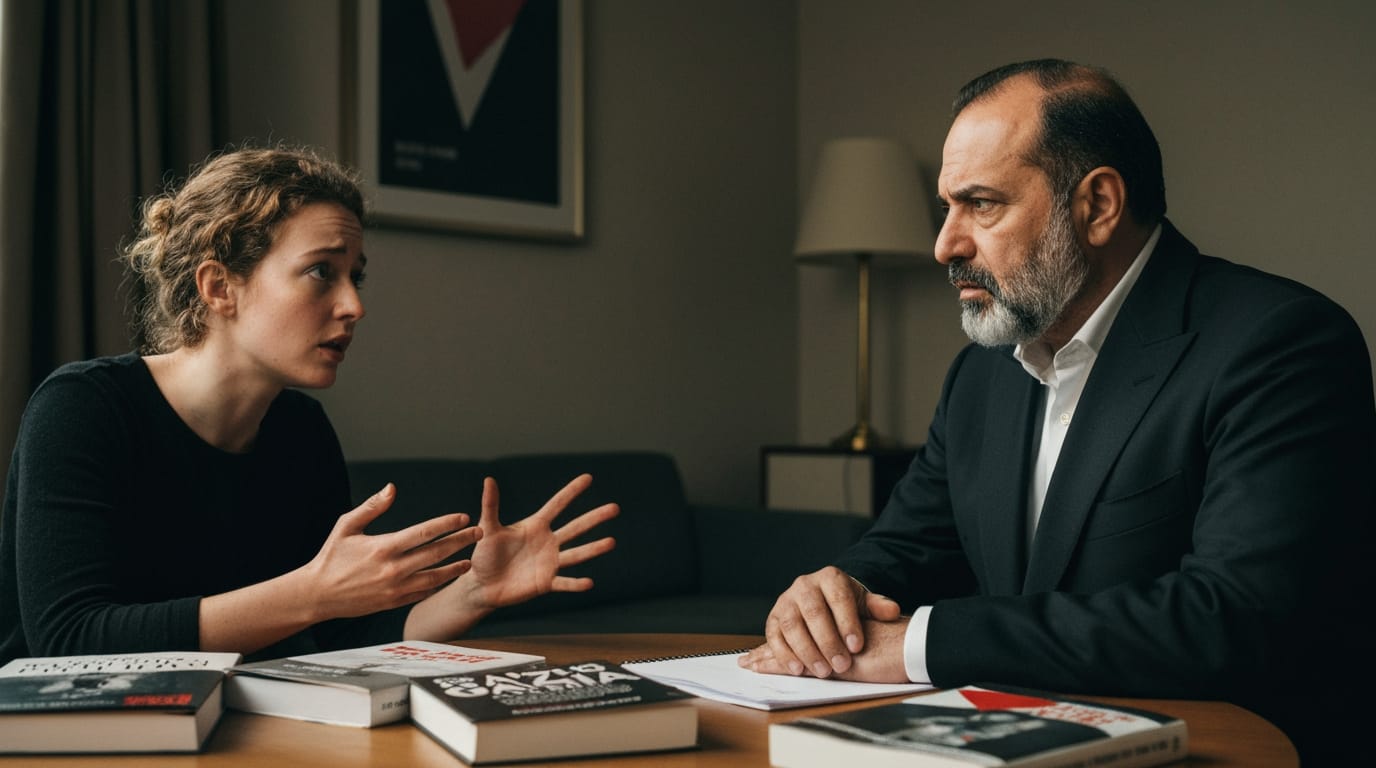
The Berlin International Film Festival, widely recognized for its historically political stance and celebration of diverse cinematic voices, finds itself at a critical juncture, grappling with intense scrutiny and division over the ongoing conflict in Gaza. The festival's leadership is facing a formidable balancing act, striving to uphold artistic freedom and foster dialogue while simultaneously contending with accusations of censorship and pressure to take a more definitive political position. This tension has cast a shadow over recent editions, leading to public protests, open letters from prominent filmmakers, and a deepening debate about the role of cultural institutions in addressing global humanitarian crises.
A Legacy of Engagement Under Scrutiny
For decades, the Berlinale has distinguished itself among major film festivals by embracing political discourse and showcasing films that engage with pressing global issues. Unlike its peers in Cannes or Venice, the festival has cultivated a reputation as the "most political" of the top-tier events, frequently making statements of solidarity regarding conflicts in regions such as Ukraine and Iran. This established legacy, however, has set a high bar for its current response to the conflict in Gaza, inviting particular criticism when its actions or perceived inactions do not align with expectations for political engagement.
The roots of the current controversy can be traced back to the 2024 festival, when the documentary "No Other Land," which depicted the dispossession of Palestinian communities in the occupied West Bank, received a documentary award. Remarks made by the film's creators during the awards ceremony, perceived by some as "one-sided," drew criticism from German government officials. This incident highlighted the sensitivity surrounding the issue within Germany, a nation whose historical responsibility for the Holocaust informs a strong policy of support for Israel, often referred to as the "Staatsraison."
The Eruption of Dissent and Calls for Clarity
The debate intensified significantly in 2026, sparked in part by statements from the festival's jury president, renowned German filmmaker Wim Wenders. At the opening press conference, Wenders suggested that filmmakers should "stay out of politics," arguing that cinema should act as a "counterweight" to politics, focusing on the human experience rather than political grandstanding. This assertion immediately ignited a firestorm of criticism, with many artists and commentators contending that art and politics are inextricably linked and that a call for neutrality in the face of humanitarian suffering amounts to complicity.
In response, more than 80 filmmakers and industry figures, including notable names such as Tilda Swinton, Javier Bardem, and Mike Leigh, signed an open letter condemning the Berlinale's "institutional silence" on Gaza. The signatories accused the festival of "censorship" and "anti-Palestinian racism," citing instances where filmmakers who had previously spoken out in support of Palestinian rights on the Berlinale stage were reportedly reprimanded by festival programmers or even subjected to police investigation. The letter explicitly called for the Berlinale to unequivocally state its opposition to actions against Palestinians and to cease any perceived involvement in shielding Israel from criticism. Adding to the pressure, acclaimed Indian author Arundhati Roy withdrew from her scheduled festival appearance in protest of Wenders' comments, characterizing them as "unconscionable."
Navigating a Fractured Landscape: Festival's Stance and German Context
Amidst the growing chorus of condemnation, Berlinale director Tricia Tuttle sought to clarify the festival's position. She affirmed the right of artists to exercise free speech "within the bounds of German law" and maintained that filmmakers should not be compelled to comment on every political issue. Tuttle also addressed the accusations of censorship, dismissing claims within the open letter as containing "misinformation" and "inaccurate claims." The festival leadership also publicly condemned the October 7 attack by Hamas, expressed remembrance for all victims, and acknowledged that some award winners' statements were perceived as one-sided. In a related development, the Berlinale filed criminal charges following the appearance of antisemitic posts on its social media channels.
The complexities of the situation were starkly illustrated during the awards ceremony when Palestinian-Syrian film director Abdallah Al-Khatib, accepting an award for "Chronicles From the Siege," accused the German government of being "partners in the genocide in Gaza by Israel." This direct challenge led to German Environment Minister Carsten Schneider walking out of the ceremony, with his spokesperson later stating that the minister found the remarks "unacceptable." This incident underscored the deep sensitivity surrounding the conflict in Germany, where public discourse on Israel's actions is highly charged due to the nation's historical context. The fear among some artists that criticizing Israel might be misconstrued or condemned as antisemitism has reportedly led some to reconsider their participation in German cultural events.
The Broader Repercussions for Artistic Freedom and Cultural Institutions
The challenges faced by the Berlinale are emblematic of a wider predicament for cultural institutions globally, which are increasingly pressured to articulate definitive stances on complex geopolitical conflicts. This situation raises fundamental questions about the boundaries of artistic expression, the expectations placed upon public-facing organizations, and the potential impact on international collaboration and artistic exchange.
Reports suggest that the perceived handling of the Gaza debate has contributed to a decline in the festival's traditional vibrancy, with some observers noting a reduction in the quality of films in competition and the attendance of high-profile celebrities. The concern among artists regarding their freedom to express empathy for victims in Gaza without facing condemnation has been a significant deterrent. As a direct response to the perceived "repression of Palestine solidarity in Germany," a parallel event known as the "Palinale" emerged, offering a counter-programme to the official festival. This development further underscores the deep divisions within the film community and the urgent desire among some artists for cultural platforms to explicitly support Palestinian human rights. The ongoing debate reflects a fractured global film community, where a significant number of professionals have pledged to avoid collaborations with institutions they deem complicit in perceived atrocities.
An Unresolved Tension
The Berlinale's experience highlights the immense difficulty cultural institutions face in navigating highly polarized political landscapes. While the festival has attempted to balance its commitment to artistic freedom with the sensitivities of its host nation's political context, it has found itself caught between opposing demands. The tension between the desire for political neutrality in art and the expectation for moral clarity in the face of humanitarian crises remains largely unresolved. As the global political climate continues to be volatile, film festivals and other cultural platforms will likely continue to grapple with these intricate issues, shaping their identities and their roles in society for years to come.