Stolen Identity: German Filmmakers Recouping Their Art in a Digital Age
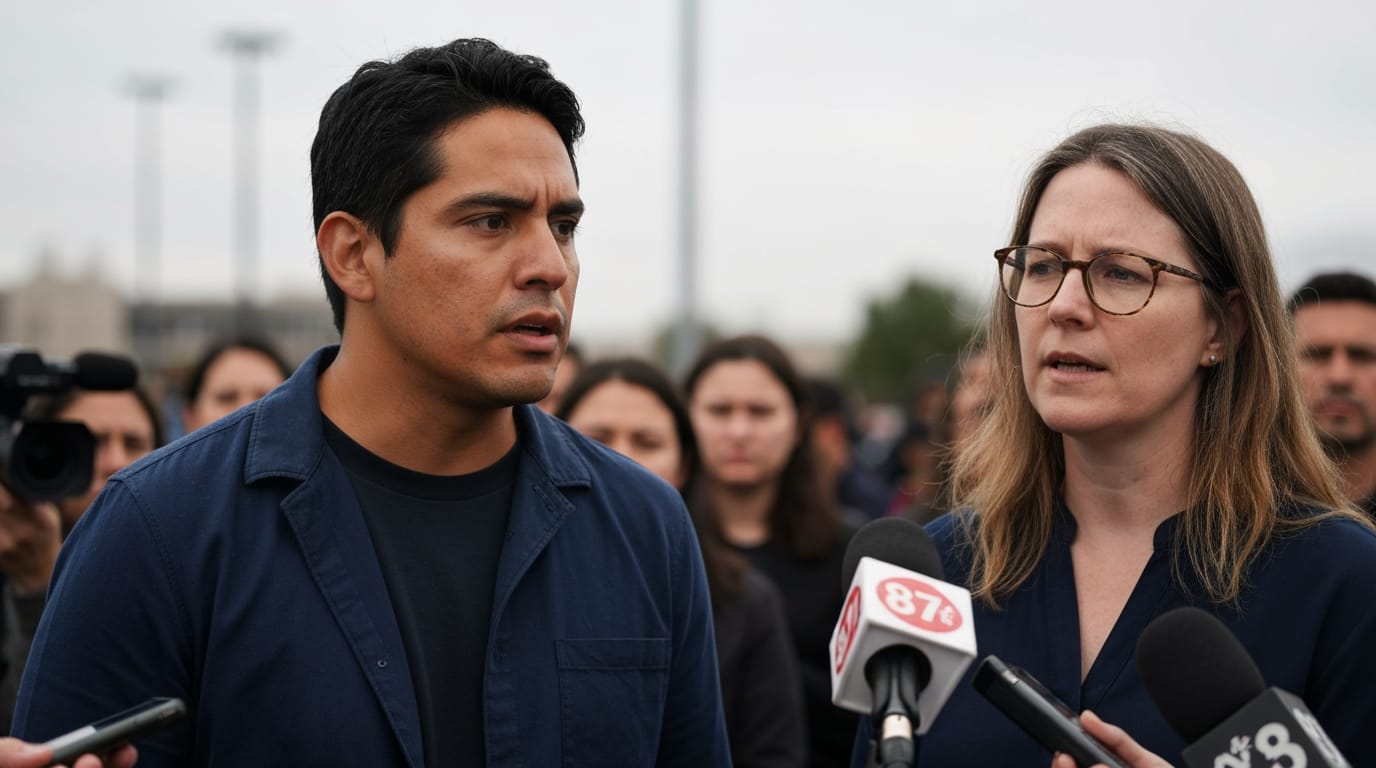
In an era where digital distribution offers unprecedented reach for independent creators, it also presents fertile ground for intellectual property theft. The harrowing experience of two German film students, Moritz and Julius, whose short film "Butty" was stolen, renamed "T-130," and submitted to international film festivals under another individual's name, serves as a stark reminder of the vulnerabilities artists face. Their battle to reclaim their work and integrity highlights the complex challenges and difficult choices confronting filmmakers in safeguarding their creative output.
The Unsettling Discovery: A Film Reborn Under False Pretenses
The saga began when Moritz and Julius, burgeoning talents in the German film scene, discovered their short film, "Butty," had been appropriated. An American individual had taken their creative endeavor, rebranded it as "T-130," and, perhaps most gallingly, began submitting it to film festivals as his own creation. The imposter even achieved success, with the stolen film garnering awards under his fabricated authorship. This act of cinematic identity theft struck at the very core of artistic ownership and recognition, leaving the legitimate creators in a state of profound disbelief.
The audacity of the deception was further underscored by an unsettling encounter between the German filmmakers and the plagiarist. Despite the gravity of the situation, the American maintained a "cool and matter-of-fact" demeanor, even going so far as to socialize with Moritz and Julius after their initial, confrontational chat. This surreal interaction, which included barbecuing and playing basketball, left the genuine creators both "unsettling and fascinating," highlighting the psychological toll such a violation can exact.
Navigating the Aftermath: Legal Recourse Versus Creative Resilience
Faced with the blatant appropriation of their work and the public recognition being wrongly attributed, Moritz and Julius found themselves at a critical juncture: to pursue traditional legal action or to forge a more creative, perhaps unconventional, path forward. The film industry, like many creative fields, often grapples with the balance between protecting intellectual property through litigation and maintaining the momentum of artistic production. This dilemma became central to their strategy for fighting back.
The decision of whether to "sue or stay creative" stirred considerable debate among observers, including those within the filmmaking community. Many viewers and colleagues expressed strong opinions, with some accusing Moritz and Julius of being "too soft on the plagiarist," advocating for aggressive legal action. This perspective underscores a common sentiment that intellectual property theft demands a forceful, punitive response to deter future transgressions. However, others lauded their approach, suggesting they had "shown new ways" to address such breaches, indicating an appreciation for innovative, perhaps less adversarial, solutions. The divided reactions underscore the lack of a universally agreed-upon blueprint for handling such unique and personal infringements in the creative world.
Broader Implications: The Vulnerability of Artistic Creation
The case of "Butty" becoming "T-130" resonates beyond the individual experience of Moritz and Julius, casting a spotlight on the inherent vulnerabilities within the global film festival circuit and digital content distribution. Independent filmmakers, often operating with limited resources, rely heavily on festivals for exposure, networking, and validation. The ease with which a film can be misappropriated and submitted under false pretenses exposes a systemic flaw that can undermine the trust and integrity of these platforms.
This incident also draws parallels with other forms of film "theft" or control issues that plague the industry. While distinct from direct plagiarism, scenarios where directors lose "final cut" control over their movies, such as David Lynch's experience with Dune or Ridley Scott's initial struggles with Blade Runner, represent a different kind of creative appropriation. In these instances, the "theft" is not of authorship but of artistic vision, often at the hands of studios or financiers. Even the physical theft of raw footage, as experienced by director Vikram Bhatt when employees allegedly stole hard disks containing unedited film, highlights the diverse spectrum of threats to a film's integrity and its creators' rights.
Lessons Learned and the Path Forward
The journey of Moritz and Julius, though not fully detailed in its resolution, offers invaluable lessons for the filmmaking community. It underscores the critical importance of robust copyright registration from the earliest stages of production. While not a foolproof deterrent, clear documentation of ownership provides a foundational defense against claims of false authorship. Furthermore, the incident promotes a dialogue about the ethical responsibilities of film festivals and submission platforms to implement more stringent verification processes for entries.
For filmmakers, the story serves as a cautionary tale to remain vigilant about their work as it navigates the complex ecosystem of distribution and exhibition. It also highlights the psychological and emotional impact of having one's art stolen, emphasizing that the fight back is not merely about legalities or credits, but about reclaiming personal and professional identity. The divided public opinion on how Moritz and Julius handled the situation suggests there is no single "right" way to confront such a violation, but rather a spectrum of responses, each with its own merits and drawbacks. Ultimately, their experience contributes to a growing understanding of the multifaceted challenges inherent in protecting intellectual property in an increasingly digitized and interconnected world, prompting a re-evaluation of how art is valued, attributed, and safeguarded.