Asia's Informal Workforce Scorched: Extreme Heat's Crippling Impact on Urban Livelihoods

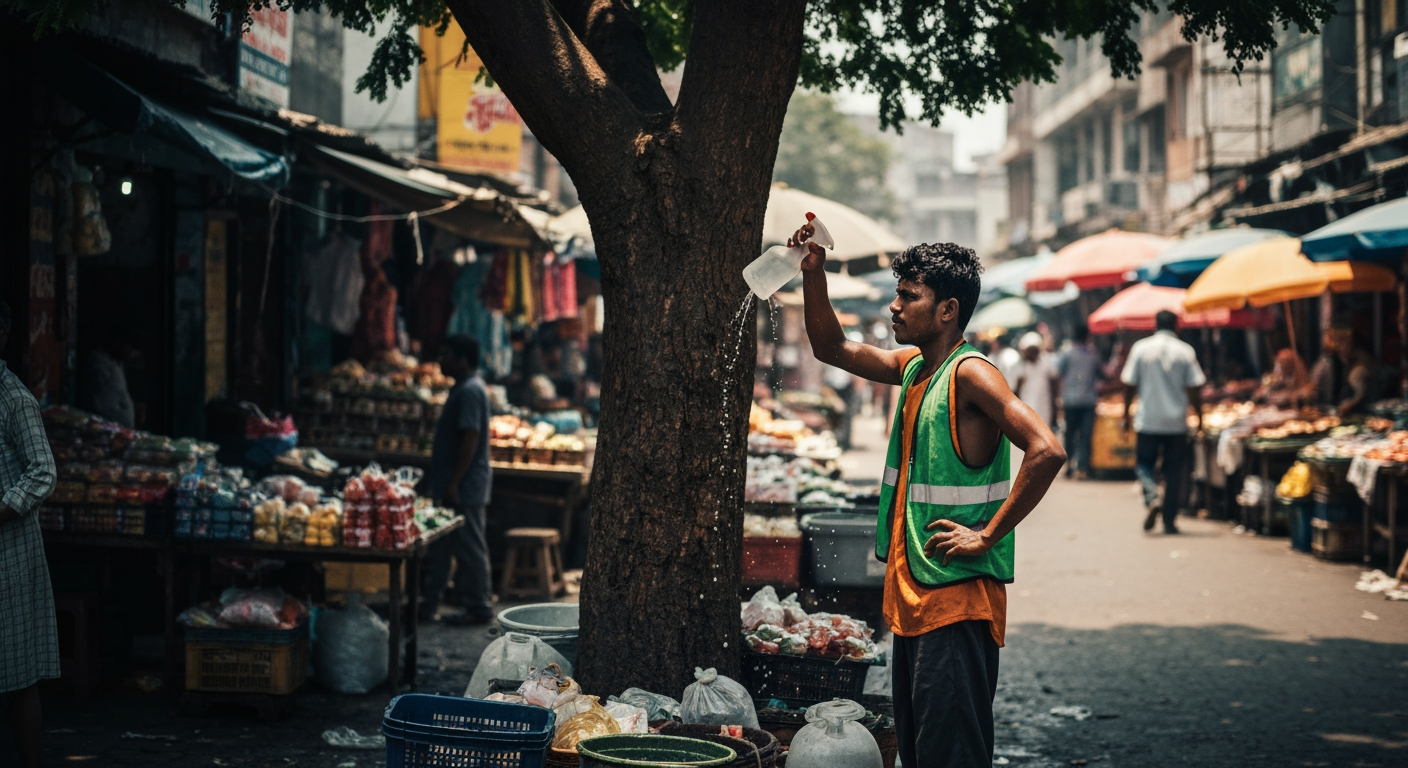
Extreme heat is no longer a distant climate threat; it is an immediate and escalating crisis fundamentally reshaping life and labor across Asia's burgeoning cities. Millions of informal workers, the bedrock of urban economies, are bearing the brunt of soaring temperatures, facing a devastating combination of severe health risks, precipitous income losses, and eroding long-term resilience. As heatwaves intensify and linger, particularly in South and Southeast Asia, the informal sector—comprising street vendors, construction workers, delivery riders, and countless others—finds itself trapped in a vicious cycle of vulnerability, underscoring an urgent humanitarian and economic challenge.
A Region Under Duress: The Escalating Crisis for Asia's Informal Workers
Asia is experiencing warming at nearly twice the global average, transforming once-seasonal heat into prolonged, life-threatening events that are increasingly impacting its urban centers. For the vast informal workforce, which often lacks formal recognition, benefits, and workplace protections, this escalating heat crisis presents unique and disproportionate challenges. Over 70% of Asia's total workforce is exposed to excessive heat during their jobs, with informal laborers being the most vulnerable segment. In countries like India, where nearly 90% of the workforce operates in the informal economy, the scale of this exposure translates into millions facing perilous working conditions daily.
These workers, essential for urban functioning, spend their days in direct sunlight or poorly ventilated spaces, their livelihoods inextricably linked to outdoor environments. The consequences of this exposure are far-reaching, from immediate health emergencies to long-term economic instability. A 2024 report by People's Courage International (PCI), based on research in cities like Delhi, Dhaka, Kathmandu, Jakarta, and Quezon City, revealed that 70% of respondents reported extreme heat significantly affected their lives and work, with nearly eight in ten internal migrant workers stating it disrupted their livelihoods or households. This pervasive disruption highlights that extreme heat is not just an environmental concern but a systemic risk fundamentally undermining human well-being and urban sustainability across the continent.
The Triple Threat: Health, Productivity, and Economic Erosion
The health ramifications for informal workers are severe and immediate. Prolonged exposure to high temperatures leads to dehydration, heat exhaustion, and heatstroke, with long-term risks including cardiovascular disease and respiratory illness. These dangers are compounded by a critical factor: the diminishing opportunity for recovery. Nighttime temperatures are rising even faster than daytime temperatures in many regions, especially in South and Southeast Asia. This means the essential recovery periods that workers once relied upon are eroding, leaving them exhausted before a new workday even begins. For those living in cramped, poorly ventilated informal settlements, sleep itself becomes a struggle, further exacerbating health risks.
Beyond direct health impacts, extreme heat inflicts a profound economic toll. Workers tire faster, their concentration wanes, and safety risks escalate, directly reducing productivity and income. The World Bank estimates that extreme heat is already subtracting the equivalent of 31 million full-time jobs annually across South Asia alone. Informal workers can lose up to 40% of their earnings during a heatwave, a devastating blow to households living on daily wages. This loss of income is often coupled with increased expenditures on water, cooling, and healthcare, pushing vulnerable families deeper into financial insecurity and debt. Such financial strain undermines their capacity to cope with future shocks, trapping them in a cycle of poverty. The broader economic implications are stark: without robust adaptation measures, rising temperatures could reduce South Asia's GDP by nearly 7% by 2050, the steepest projected loss among developing regions.
Urban Vulnerability and Deepening Disparities
The vulnerability of informal workers is exacerbated by the very nature of urban environments. Dense cities in Asia are particularly susceptible to the urban heat island (UHI) effect, where concrete, asphalt, and lack of green spaces trap and re-emit heat, making urban areas significantly hotter than surrounding rural regions. Informal settlements, often characterized by inadequate housing, tin roofs, and poor ventilation, become heat traps, offering little respite even indoors. This lack of climate-resilient housing, combined with limited access to cooling technologies like air conditioning or even reliable electricity, creates a stark dividing line, disproportionately exposing lower-income households and informal workers to dangerous heat.
Moreover, the burden of extreme heat is not distributed equally. Women, who often undertake the majority of unpaid labor, face heightened challenges during heatwaves, experiencing a reported 60% increase in caregiving, water collection, and food preparation duties. Internal migrants, who frequently constitute a significant portion of the informal workforce, are also particularly affected, with 95% surveyed by PCI reporting negative impacts on their lives and livelihoods. These intersecting vulnerabilities underscore how extreme heat intensifies existing social and economic disparities, making it one of the region's defining development challenges.
A Call for Resilient Urban Futures and Policy Action
Despite the mounting evidence of extreme heat's devastating impact, many cities across Asia remain poorly prepared for worsening heatwaves. The challenge is not merely a climate imperative but is now central to the region's jobs and growth agenda, particularly as South Asia anticipates adding 280 million working-age people by 2050. Creating a livable future for these populations requires urgent and comprehensive strategies that protect workers and foster sustainable urban development.
A recent World Bank report, "A Livable Future: Tackling Extreme Heat for Jobs and Growth in South Asia's Cities," emphasizes that managing extreme heat must become a core component of urban planning and policy. This includes investing in cool infrastructure, expanding green spaces, improving housing standards in informal settlements, and developing early warning systems tailored to vulnerable populations. Furthermore, extending social safety nets, providing access to healthcare, and implementing protective labor regulations for informal workers—such as mandatory rest breaks and access to water—are critical steps to mitigate the immediate risks and build long-term resilience. Recognizing the human costs that often go unrecorded in official statistics, targeted interventions are needed to support those whose daily earnings depend on enduring the scorching sun.
Charting a Sustainable Path Amidst Rising Temperatures
The growing impact of extreme heat on informal workers in Asia's cities represents a complex, multi-faceted crisis that demands immediate and sustained attention. Millions of livelihoods, public health systems, and the economic stability of entire regions are at stake. The narrative of Rekhaben, an Ahmedabad vegetable vendor who continues to work despite severe heat-induced illness because staying home is not an option, encapsulates the profound human cost of this crisis. Her story, mirrored by countless others across Asia, is a stark reminder that while heat has always been a part of life in these regions, today's temperatures, amplified by climate change and rapid urbanization, are fundamentally different and increasingly dangerous. Addressing this challenge requires an integrated approach that combines climate adaptation with social equity, ensuring that the workers who build and sustain Asia's cities are not left to face the escalating heat alone. The path forward must prioritize resilient urban planning, robust social protections, and a concerted effort to safeguard the most vulnerable in a rapidly warming world.
Related Articles

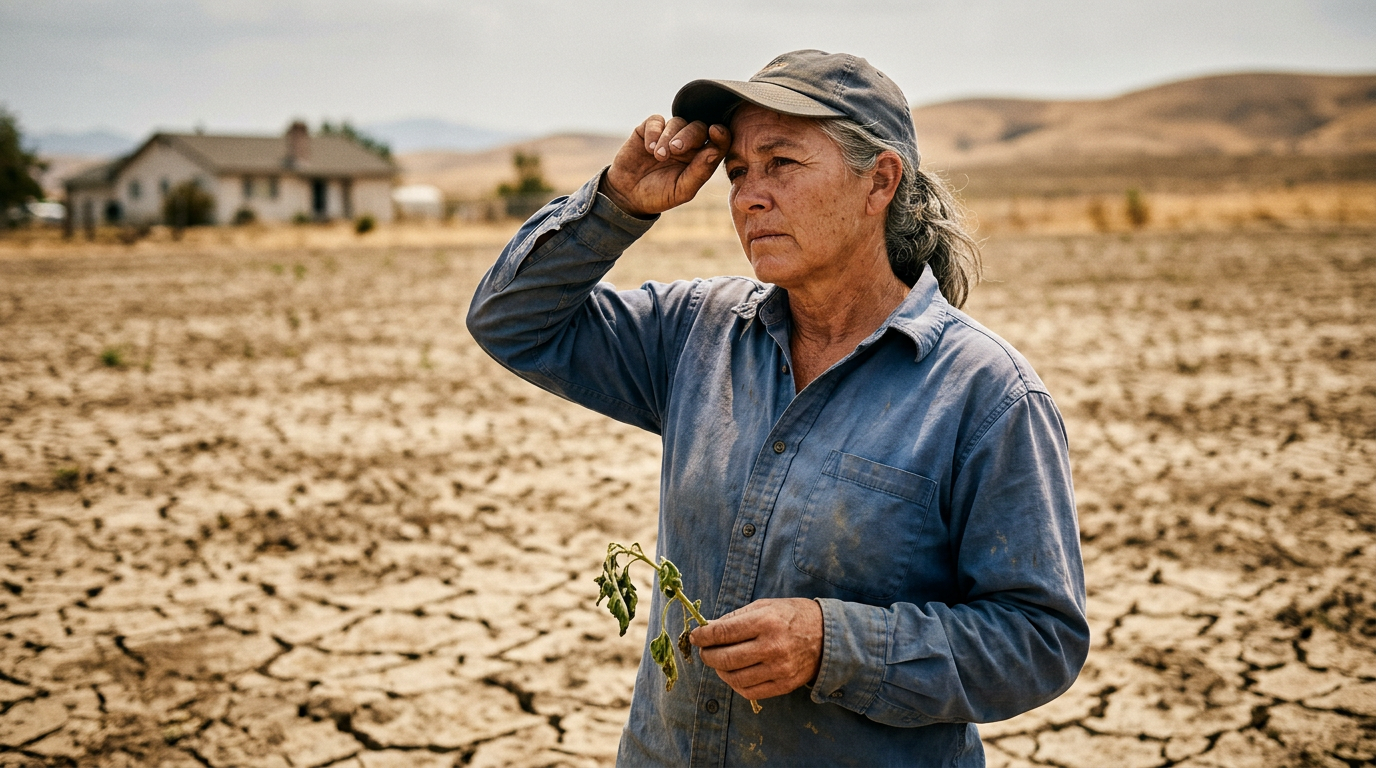
Record-Shattering Summer of 2023 Signals New Climate Reality, Defying Claims of Normalcy
GENEVA, SWITZERLAND – The summer of 2023 was anything but "normal," marked by an unprecedented cascade of extreme weather events and record-breaking temperatures across the globe, according to leading international...


Global Eco-Innovations Highlight Path to Sustainable Future
Across the globe, innovative approaches to environmental challenges are demonstrating tangible successes, offering a beacon of hope in the ongoing fight against climate change. From high-tech indoor farming in the...


Global Green Shoots: Hungary Embraces Solar, Marmots Stage Comeback, and Rome Reinvents Urban Living
In a world grappling with persistent environmental challenges, recent developments across Europe and North America offer a compelling narrative of progress, innovation, and resilience. From Hungary's unexpected ascent...