Global Green Shoots: Hungary Embraces Solar, Marmots Stage Comeback, and Rome Reinvents Urban Living

In a world grappling with persistent environmental challenges, recent developments across Europe and North America offer a compelling narrative of progress, innovation, and resilience. From Hungary's unexpected ascent as a global solar power leader to the remarkable recovery of Canada's critically endangered Vancouver Island marmot, and Rome's ambitious transformation into a greener, more sustainable metropolis, these diverse "eco wins" underscore a growing global commitment to addressing climate change and biodiversity loss. These success stories, driven by dedicated conservationists, forward-thinking urban planners, and national strategic shifts, highlight how targeted efforts can yield significant positive impacts, inspiring hope for a more sustainable future.
Hungary's Rapid Ascent in Solar Power
Hungary has emerged as a frontrunner in solar energy adoption, achieving a remarkable 25% share of its national energy mix from solar power in 2024—the highest proportion globally. This significant milestone represents a substantial increase from just 4% in 2019, positioning the Central European nation at the forefront of the global energy transition. During peak production periods in 2024, solar power plants supplied over 80% of Hungary's domestic electricity demand for more than 70 days, showcasing the technology's growing reliability and capacity.
The country's total installed solar capacity has reached 7.8 gigawatts (GW), with an impressive annual expansion of at least 1.2 GW since 2022, marking the fastest solar capacity growth in Europe over the past five years. This rapid expansion is underpinned by ambitious national policies aimed at decarbonizing the energy sector. Hungary targets 90% carbon-neutral power by 2030 and aims for climate neutrality by 2050. The updated National Energy and Climate Plan (NECP) sets a goal of 30% renewable energy in final consumption by 2030 and an objective of 12 GW of solar capacity by the same year. The country has already surpassed its initial 6 GW solar target for 2030, reaching over 9 GW by 2025, prompting an upward revision of its goals.
Government initiatives have played a crucial role in fostering this solar boom. Programs such as a feed-in tariff, which pays homes and businesses for power sold back to the grid, and the Solar Energy Plus Programme, which subsidized rooftop solar installations for thousands of households, have significantly driven adoption. The latter covered two-thirds of the cost for solar-plus-storage installations, demonstrating a commitment to integrated renewable solutions.
As solar power increasingly dominates Hungary's electricity generation, the focus is now shifting towards enhancing grid stability through advanced energy storage solutions. Battery energy storage systems (BESS) are identified as a critical priority to manage the intermittent nature of solar generation. Currently, approximately 60-70 megawatts (MW) of storage capacity are operational, with an additional 550 MW licensed and expected to be online by mid-2026. The government aims to achieve 1 GW of installed storage capacity by 2030. Despite these advancements, Hungary continues to rely on conventional energy sources and imports, particularly from Russia, for oil, natural gas, and nuclear fuel, underscoring the ongoing challenges in achieving complete energy independence and diversification.
The Resilient Comeback of the Vancouver Island Marmot
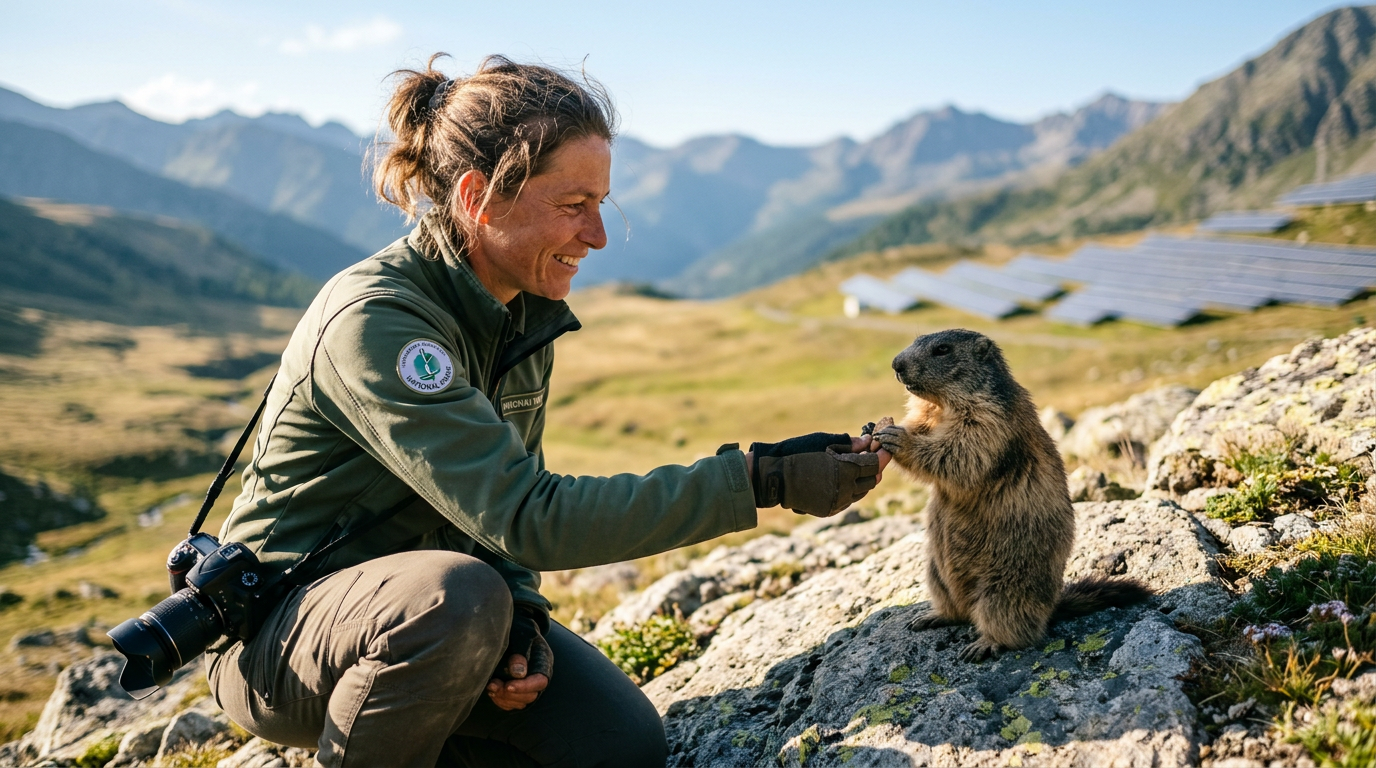
In a heartening story of wildlife conservation, the Vancouver Island marmot, one of North America's rarest mammals, has made a remarkable comeback from the brink of extinction. In 2003, fewer than 30 wild individuals of this distinctive ground squirrel were estimated to remain, prompting urgent intervention. Thanks to the concerted efforts of the Marmot Recovery Foundation and its partners, the wild population has rebounded significantly, reaching approximately 420 animals across 37 colonies by the 2025 field season, and 427 across 33 colonies by November 2025.
The recovery program, initiated in 1996, has employed a multi-faceted approach, combining captive breeding, habitat restoration, and meticulous field monitoring. Since the early 2000s, over 726 captive-bred marmots have been released into their natural habitat on Vancouver Island, with 619 released since 2003 alone, boosting genetic diversity and population numbers. These efforts have allowed the species to reclaim lost habitats in key recovery areas such as Strathcona Provincial Park and Mount Arrowsmith Regional Park.
While significant progress has been made, the recovery remains a managed one. Challenges persist, including maintaining self-sustaining colonies that can disperse freely, ensuring sufficient genetic diversity, and mitigating threats from predators and the impacts of climate change, such as reduced snowpack affecting hibernation. The recovery strategy emphasizes the need for continued intervention to prevent a potential population crash.
Beyond direct conservation, modern approaches are leveraging public interest to support these efforts. For instance, an initiative called "OnlyMarms" utilizes viral videos of yellow-bellied marmots to engage the public and raise funds for scientific research. This platform allows fans to donate while observing marmots in their natural environment, showcasing how popular culture can contribute to ecological science and conservation awareness. The research, tracking individually marked marmots in Colorado since 1962, provides invaluable data on their behavior and responses to environmental changes.
Rome's Sustainable Urban Transformation
The Eternal City of Rome is undergoing a comprehensive environmental upgrade, driven by a commitment to sustainable urban living and climate resilience. The city's new Sustainable Urban Mobility Plan, approved in early 2022, is a cornerstone of this transformation, aiming to reduce reliance on private vehicles and promote greener transportation options.
A significant component of this plan is the electrification of public transport. Rome is preparing to introduce 250 new electric buses to serve its eastern and western districts, supported by over 100 high-power charging points powered entirely by renewable energy. This ambitious project, part of a broader European initiative, adopts a "Fleet-as-a-Service" model to streamline the transition to electric mobility, ensuring efficient energy distribution and overcoming existing grid limitations. These buses are projected to cover more than 100 million kilometers, providing zero-emission service across densely populated areas.
Alongside public transport enhancements, Rome is investing heavily in cycling and walking infrastructure. Plans include expanding the city's cycling network and developing the "Great Bicycle Ring Road" (GRAB), a 50-kilometer circular route connecting historical landmarks with green spaces and public transport hubs. This initiative seeks to boost intermodality, linking cycling routes with metro lines, tram lines, and railway services, further integrating sustainable transport options.
Urban regeneration forms another critical pillar of Rome's upgrade, focusing on adaptive reuse of historic buildings, revitalization of public spaces, and integration of green infrastructure. A notable example is the transformation of the Corviale housing project, a massive 1970s development nicknamed "Il Serpentone" (The Big Snake), which has historically been associated with neglect. This EU-funded €58 million initiative aims to improve living conditions for its 4,500 residents through energy-efficient renovations, the creation of bioclimatic shelters, and the planting of up to 9,500 trees and shrubs to combat the effects of a warming climate. The project focuses on creating climate-resilient public spaces and promoting social inclusion, demonstrating how urban planning can address both environmental and social challenges simultaneously.
Further green infrastructure projects include the incorporation of rooftop gardens, urban forests, green walls, and the restoration of the Tiber River banks, all designed to enhance urban biodiversity, mitigate urban heat islands, and improve air quality. Additionally, initiatives like the URWAN project are transforming public schools into "urban laboratories" for Nature-based Solutions, implementing raingardens and permeable pavements to improve stormwater management and strengthen urban climate resilience. These efforts collectively paint a picture of Rome's comprehensive strategy to blend its rich historical legacy with a sustainable, modern future.
A Collective Leap Forward for a Greener Planet
The collective efforts seen in Hungary's solar boom, the Vancouver Island marmot's resurgence, and Rome's urban greening initiatives represent significant strides in environmental stewardship. Hungary's rapid embrace of solar technology showcases the potential for nations to transition quickly towards renewable energy, driven by strategic policies and public support. The remarkable recovery of the Vancouver Island marmot serves as a powerful testament to the effectiveness of dedicated conservation efforts and the critical role of human intervention in protecting endangered species. Meanwhile, Rome's multi-faceted urban upgrades demonstrate how ancient cities can innovate to create more livable, sustainable environments for their residents, integrating green infrastructure, smart mobility, and climate resilience into their very fabric. These stories, though disparate in their focus, are united by a common thread: the tangible and positive impact of intentional action in fostering a healthier planet for all.
Sources
- ember-energy.org
- theprogressplaybook.com
- ourworldindata.org
- trade.gov
- cleanenergywire.org
- europa.eu
- mordorintelligence.com
- schoenherr.eu
- sundayworld.co.za
- canadiangeographic.ca
- discoverwildlife.com
- marmots.org
- fwcp.ca
- wilderinstitute.org
- latestly.com
- forbes.com
- ecf.com
- europa.eu
- polisnetwork.eu
- ierek.com
- sightmagazine.com.au
- ancilazio.it
Related Articles

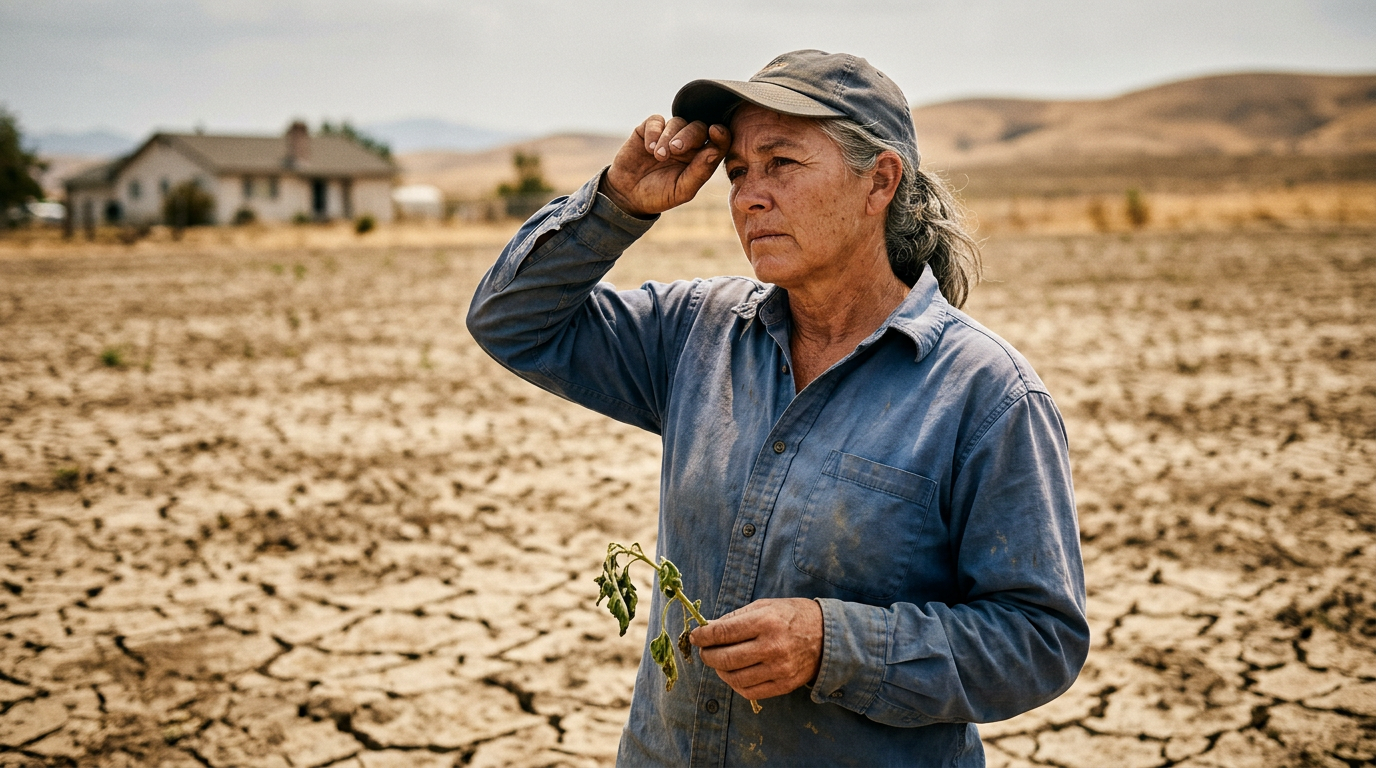
Record-Shattering Summer of 2023 Signals New Climate Reality, Defying Claims of Normalcy
GENEVA, SWITZERLAND – The summer of 2023 was anything but "normal," marked by an unprecedented cascade of extreme weather events and record-breaking temperatures across the globe, according to leading international...

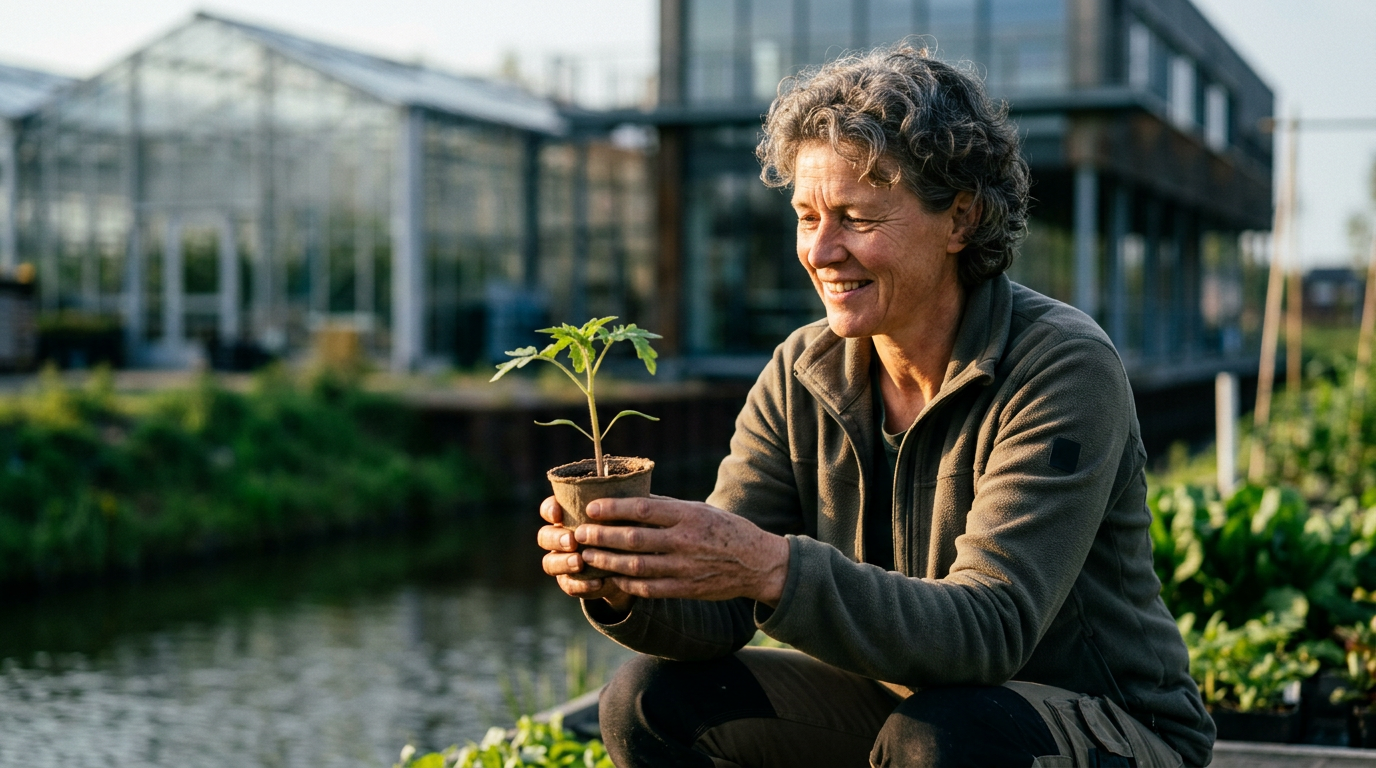
Global Eco-Innovations Highlight Path to Sustainable Future
Across the globe, innovative approaches to environmental challenges are demonstrating tangible successes, offering a beacon of hope in the ongoing fight against climate change. From high-tech indoor farming in the...

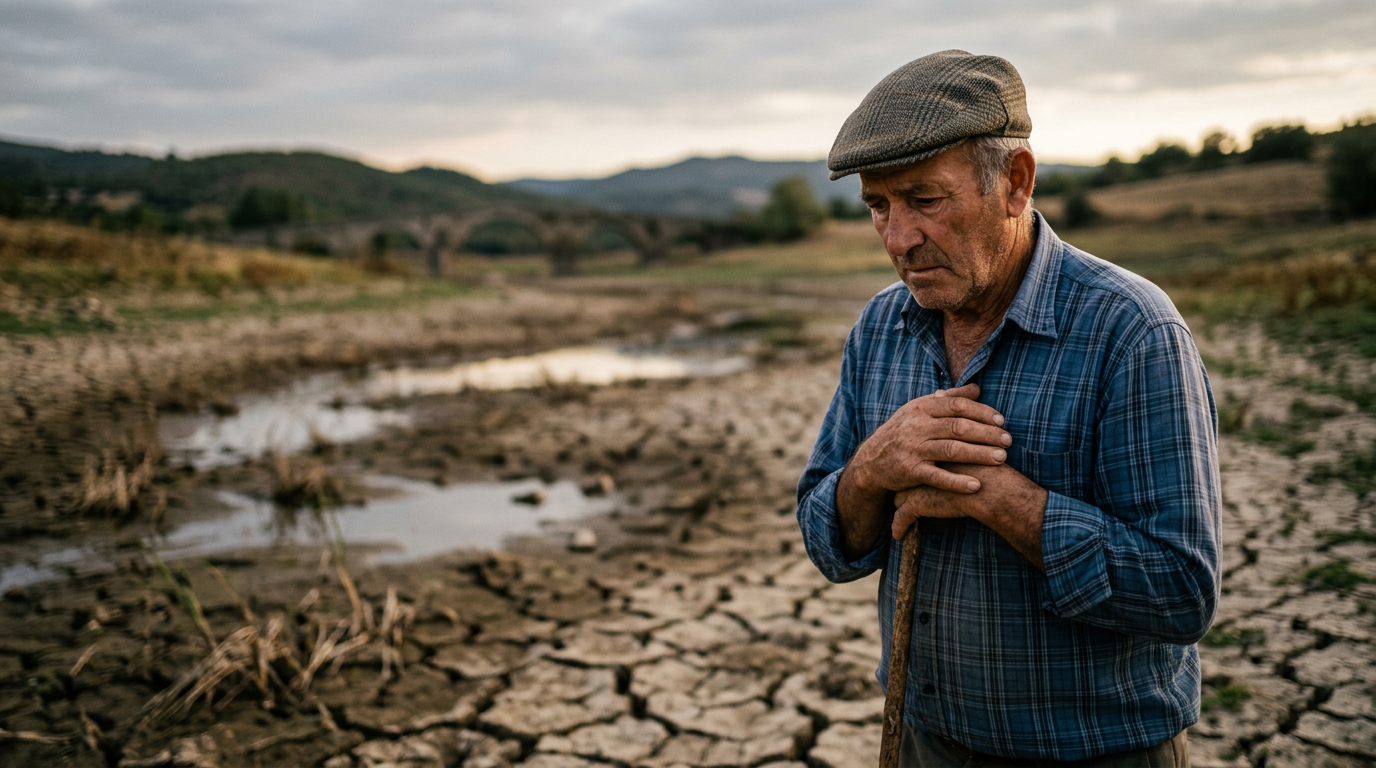
Europe's Lifelines Falter: Continent Grapples with Drying Rivers Amid Climate Crisis
Europe's vital rivers, the historical arteries of its economy and ecosystems, are in critical condition, with many experiencing unprecedented low water levels. A confluence of severe heatwaves, prolonged droughts, and...