Global Eco-Innovations Highlight Path to Sustainable Future
Across the globe, innovative approaches to environmental challenges are demonstrating tangible successes, offering a beacon of hope in the ongoing fight against climate change. From high-tech indoor farming in the Netherlands to strategic urban planning for climate resilience and the remarkable natural engineering of beavers revitalizing landscapes, these diverse initiatives showcase humanity's and nature's capacity for adaptation and restoration. These localized triumphs, though distinct in their methods, collectively underscore a critical shift towards integrating ecological principles into modern development and conservation efforts, illustrating effective pathways for a more sustainable future.
The Rise of the Indoor "Crop Gyms" in the Netherlands
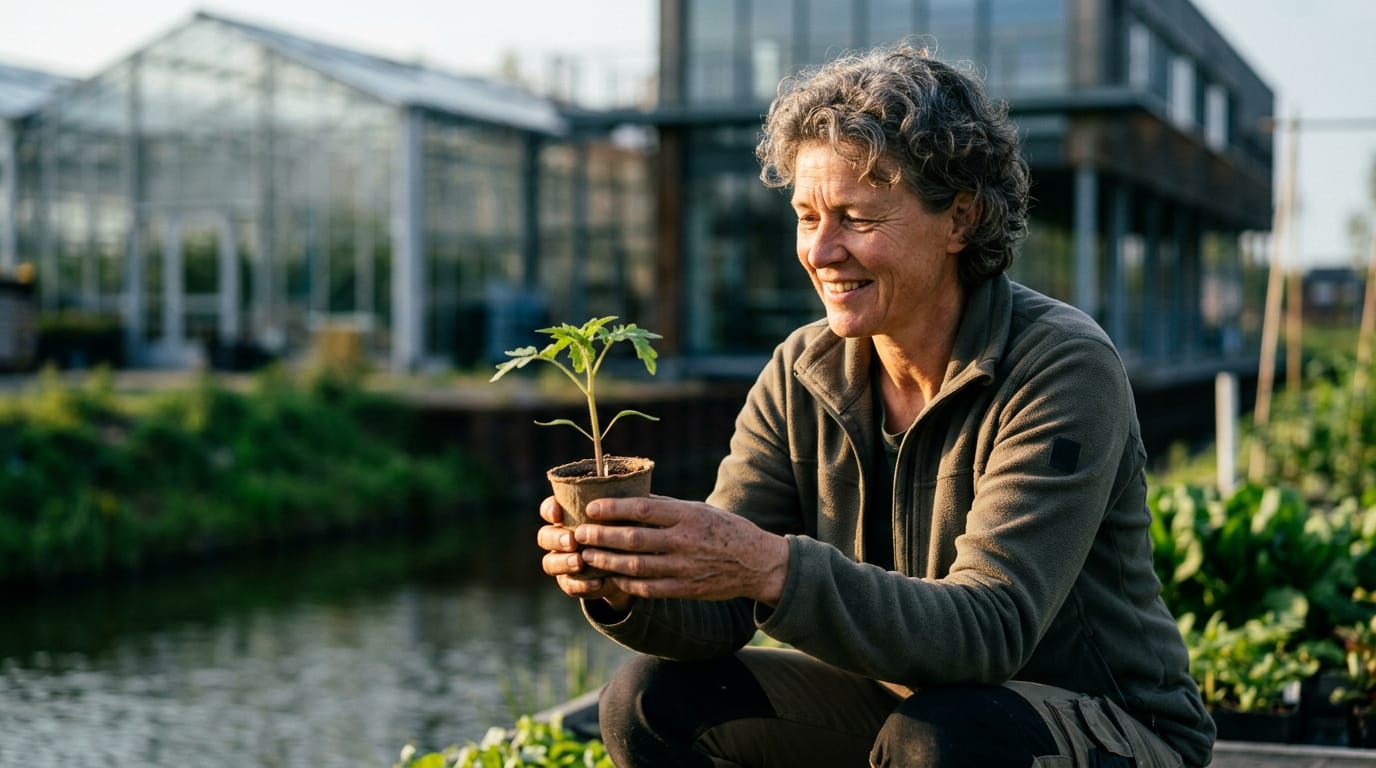
The Netherlands, a nation renowned for its agricultural innovation, is at the forefront of a revolution in food production with the emergence of advanced indoor vertical farms, colloquially referred to as "crop gyms." These state-of-the-art facilities offer a meticulously controlled environment where crops are grown in stacked layers, completely independent of external climate conditions. This detachment from traditional outdoor farming allows for precise regulation of light, temperature, humidity, and carbon dioxide levels, ensuring optimal growth and guaranteed harvests.
The implications of this technology are profound for global food security and resource efficiency. A traditional farm could potentially concentrate its output onto just 10% of its land by adopting vertical farming, yielding the same tonnage while drastically reducing water consumption and disease prevalence. This efficiency is particularly crucial in a world facing increasing population demands and dwindling arable land. Beyond mere production, the Dutch vertical farming sector is attracting significant investment, with one company recently valued at over $1 billion, signaling robust confidence in its economic viability and scalability. These indoor farms represent a critical step towards more resilient and localized food systems, minimizing transportation costs and environmental footprints associated with conventional agriculture.
Forging Climate-Ready Cities: Urban Resilience in Action
As climate change intensifies, bringing with it more frequent and severe extreme weather events, cities worldwide are proactively implementing strategies to enhance their resilience. The concept of a "climate-ready city" involves a holistic approach to urban planning, integrating environmental adaptation with existing infrastructure and community needs. Key strategies being deployed include expanding urban forests to combat the urban heat island effect, restoring natural barriers like mangroves for hurricane protection, developing green buildings, and climate-proofing existing structures.
Significant efforts are also focused on innovative stormwater management techniques, designing urban landscapes to absorb and manage heavy rainfall more effectively, and creating resilient transportation systems. Cities like Boston, through its Climate Ready Boston initiatives, are actively assessing vulnerabilities and implementing measures such as testing new pavement materials for extreme temperatures and evaluating backup power solutions for critical infrastructure. Chicago's Climate Action Plan aims for complete carbon neutrality by 2050, supporting renewable energy infrastructure and fostering green job creation. Moreover, the integration of climate adaptation strategies with broader urban development plans is crucial for bridging departmental gaps and strengthening a city's overall capacity to withstand climate impacts. These urban innovations not only protect people and infrastructure but also foster healthier, more livable environments.
The Beaver's Return: Nature's Unsung Engineer
One of the most remarkable ecological success stories involves the dramatic comeback of the Eurasian beaver, an animal now recognized as a vital "ecosystem engineer." Once nearly extinct in many parts of Europe, these industrious rodents are now reshaping landscapes and offering nature-based solutions to climate challenges. In France, for example, a single beaver family that arrived in the Drôme region in 2020 transformed a parched field into a flourishing 2,000-square-meter wetland within three years. This restoration led to the return of insects and birds, and significantly improved pasture fertility for local farmers, who were inspired to mimic the beavers' dam-building techniques to slow water flow and revive their land.
The ecological benefits of beavers are extensive. They construct dams and dig canals, fundamentally altering hydrology and creating a mosaic of habitats that boost biodiversity. These activities improve water quality by filtering sediment and pollutants, and contribute to natural water storage, crucial for drought mitigation. Studies indicate that areas with beaver activity can host up to 50 percent more species of plants and animals, with amphibians, fish, and aquatic insects particularly benefiting. In the Netherlands, where beavers were reintroduced in 1988 after more than 150 years of absence, their population has grown to an estimated 7,000 individuals. While their return is largely celebrated as a conservation success, it also presents challenges, particularly in the highly engineered Dutch landscape where beavers have been known to dig extensive tunnels under roads, railways, and vital dykes, posing infrastructure risks. Managing these challenges requires a delicate balance between promoting ecological restoration and protecting human interests, often through innovative geotechnical solutions.
These three distinct narratives—the high-tech efficiency of Dutch vertical farms, the strategic resilience of climate-ready cities, and the natural restoration brought about by the beaver's comeback—paint a compelling picture of a world actively seeking and implementing solutions to its most pressing environmental concerns. They demonstrate that whether through human ingenuity or by leveraging natural processes, a future where societies coexist harmoniously with a changing planet is not only desirable but increasingly achievable. The integration of sustainable practices, technological advancements, and ecological understanding offers a robust framework for building a more resilient and biodiverse world.