Australia and New Zealand Back Removal of Prince Andrew from Line of Succession Amid Misconduct Allegations
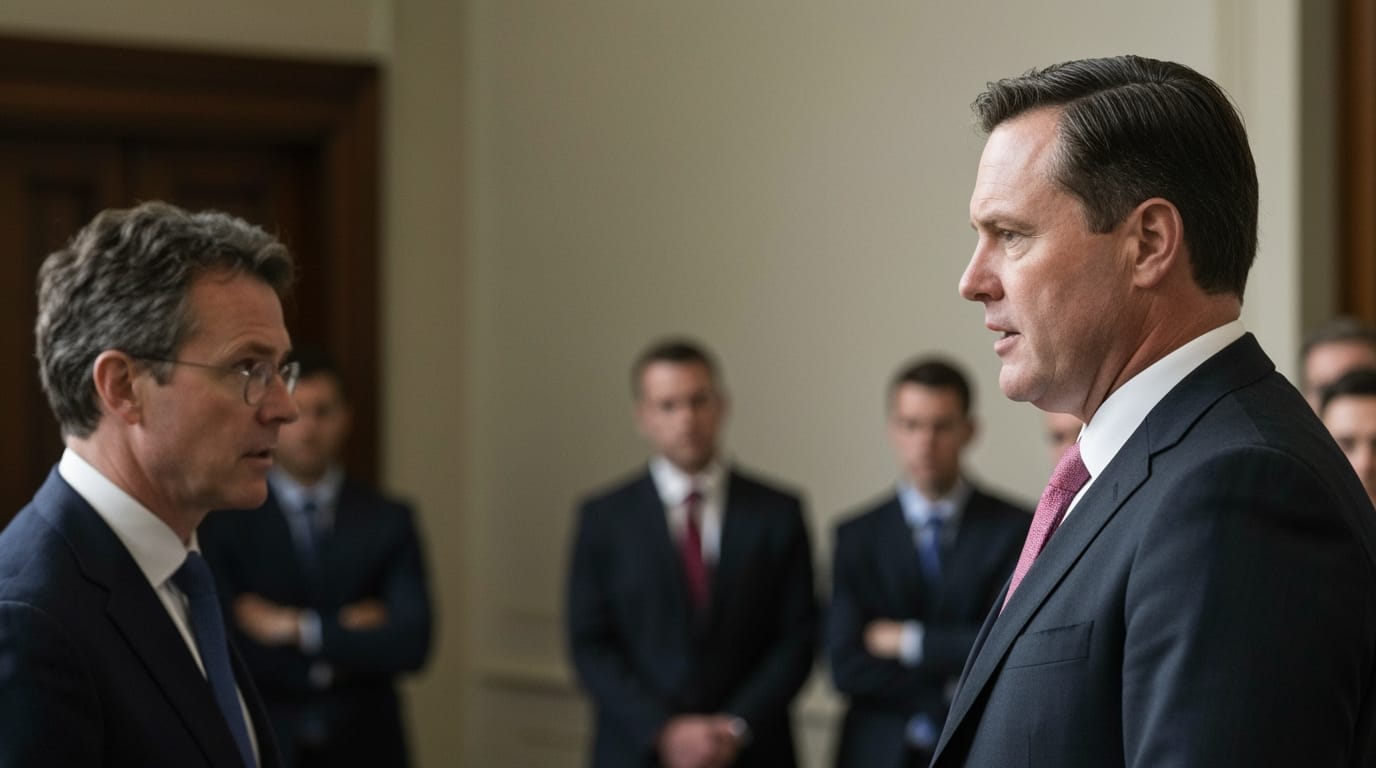
In a significant development for the British monarchy and its Commonwealth realms, both Australia and New Zealand have formally expressed their support for the removal of Prince Andrew from the line of royal succession. This coordinated stance by two prominent Commonwealth nations comes in the wake of Prince Andrew's recent arrest on suspicion of misconduct in public office and ongoing police investigations into his alleged dealings with convicted sex offender Jeffrey Epstein. The declarations signal a united front from down under, underscoring the gravity with which these nations view the allegations and the perceived imperative to safeguard the integrity of the Crown.
Commonwealth Realms Take Decisive Action
Australian Prime Minister Anthony Albanese communicated his government's position to UK Prime Minister Keir Starmer, affirming Australia's agreement to any proposal to remove Prince Andrew from the line of royal succession. Albanese articulated that the "grave allegations" against Prince Andrew are taken seriously by Australians, who are reportedly "disgusted" by revelations concerning Epstein's associations with public figures. The Australian leader indicated that his government would also be informing other Commonwealth realms of its position and that the heads of Australia's states and territories would need to concur with such a change.
Echoing Australia's sentiment, New Zealand Prime Minister Christopher Luxon publicly stated that his nation would support the UK government should it propose legislation for Prince Andrew's removal. Luxon emphasized the principle that "no one is above the law" and clarified that New Zealand's support would be contingent on the conclusion of the ongoing police investigation. The prompt and parallel responses from Canberra and Wellington highlight a shared concern within key Commonwealth nations regarding the implications of the Duke of York's conduct for the broader institution of the monarchy.
The Intricacies of Royal Succession and Removal
The process of removing an individual from the line of royal succession is not straightforward and carries significant constitutional weight. It necessitates an Act of Parliament in the United Kingdom, a legislative measure distinct from any royal decree. Crucially, due to historical agreements encapsulated in the Statute of Westminster 1931, any such change also requires the formal consent of all Commonwealth realms where King Charles III serves as head of state. There are currently 14 such independent states, including Australia, New Zealand, and Canada.
Despite having previously been stripped of his royal duties and titles in October 2025 following mounting pressure regarding his association with Jeffrey Epstein, Prince Andrew remains eighth in line to the British throne. His current position places him behind Prince William and his children, and Prince Harry and his children. Beyond his place in the succession, Prince Andrew technically retains his status as a Counsellor of State, a role that allows certain senior royals to act on behalf of the monarch if the King is incapacitated or abroad. While in practice only working royals fulfil this duty, formal removal from the line of succession would also strip him of this ceremonial but constitutionally significant position, a move many constitutional experts deem "long overdue". The last comparable alteration to the line of succession occurred in 1936 with the abdication of King Edward VIII.
A Shadow Over the House of Windsor
The calls for Prince Andrew's removal stem directly from his arrest and the severe allegations of misconduct in public office. Police are currently investigating whether he shared sensitive government information with Jeffrey Epstein during his tenure as a UK trade envoy, a role he held until 2011. These accusations build upon years of controversy surrounding his friendship with Epstein, which had already led to his effective withdrawal from public life and the loss of his military titles and royal patronages. In October 2025, King Charles III initiated a formal process to remove Prince Andrew's "Style, Titles and Honours," further distancing him from the Royal Family's official functions. Prince Andrew has consistently denied any wrongdoing. The British government has indicated it is considering legislation for his formal removal from the line of succession, with plans to potentially act once the police investigation is complete.
Public Opinion and the Monarchy's Evolving Role
Public sentiment across the Commonwealth appears largely aligned with the recent governmental positions. A YouGov poll revealed that 82% of British adults believe Prince Andrew should be removed from the line of succession. Similarly, an Australian poll indicated that 60% of its citizens support his removal. These figures underscore a broader expectation for accountability and integrity from members of the royal family, even in nations where the monarch is a symbolic head of state.
The decisive actions by Australia and New Zealand, among the most populous and influential Commonwealth realms, highlight the evolving dynamics between the Crown and its associated nations. While public support for the monarchy in some realms, particularly Australia, can fluctuate, the current issue is less about republicanism and more about the perceived integrity of the royal family itself. Australian Prime Minister Albanese, a self-identified republican, clarified that despite his personal views, his government has no immediate plans for a referendum on becoming a republic. Instead, the focus remains on ensuring that the institution maintains its credibility in the face of serious allegations against one of its members. The willingness of these governments to proactively address such a sensitive issue demonstrates a robust commitment to their own national values and a desire to see the monarchy reflect those standards.
In conclusion, the unified stance of Australia and New Zealand to back the removal of Prince Andrew from the line of succession marks a pivotal moment for the British monarchy. It signals a growing imperative for transparency and accountability from the Royal Family, particularly concerning members embroiled in controversy. The legal and diplomatic path to enacting such a change is complex, requiring both UK parliamentary action and the consent of numerous Commonwealth realms. However, the clear intentions expressed by Canberra and Wellington, fueled by strong public sentiment and the seriousness of the allegations, suggest that this unprecedented move is gaining significant momentum, redefining the boundaries of acceptable conduct for those linked to the Crown and potentially setting a new precedent for the monarchy's future in the 21st century.