Australia Commits US$2.8 Billion to Landmark Nuclear Submarine Facility
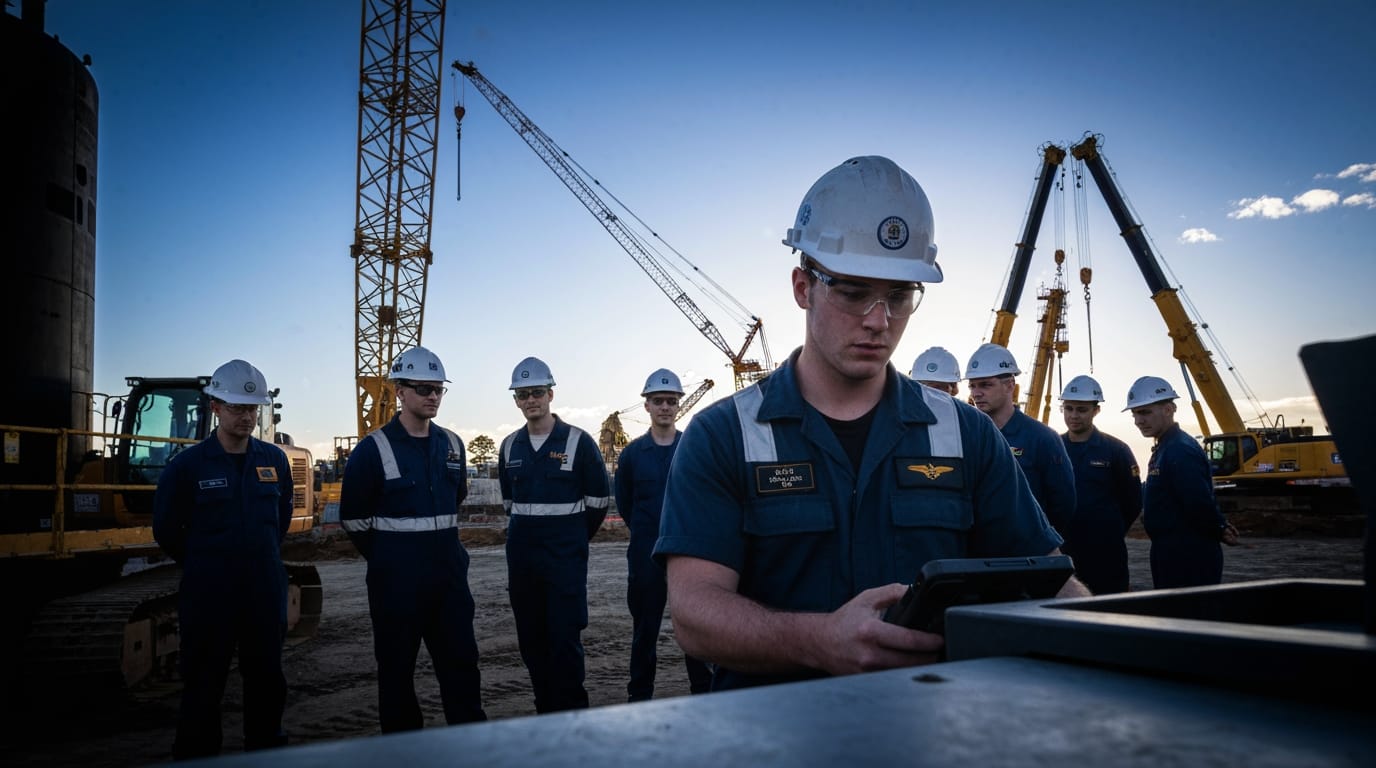
Adelaide, South Australia – Australia has unveiled an initial commitment of AU$3.9 billion (approximately US$2.8 billion) for the development of a state-of-the-art facility dedicated to the construction of nuclear-powered submarines. This substantial "down payment" marks a critical step in the nation's ambitious AUKUS security pact with the United States and the United Kingdom, solidifying Australia's role in a new era of trilateral defense cooperation and its long-term strategic capabilities in the Indo-Pacific.
The AUKUS Imperative and Strategic Vision
The investment in the new Submarine Construction Yard (SCY) at Osborne, South Australia, is central to Australia's commitment to acquiring conventionally-armed, nuclear-powered submarines. This initiative stems from the AUKUS security pact, announced in 2021, which aims to enhance the defense capabilities of the three nations and bolster regional stability amidst evolving geopolitical dynamics.
Under the AUKUS framework, Australia is slated to acquire three Virginia-class nuclear-powered submarines from the United States as early as the 2030s. Subsequently, Australia will embark on building its own fleet of SSN-AUKUS class submarines, a design based on the United Kingdom's next-generation platform, incorporating advanced US submarine technologies. The first Australian-built SSN-AUKUS is projected to be delivered to the Royal Australian Navy in the early 2040s. This comprehensive program is designed to provide Australia with enhanced long-range strike capabilities, strengthening its ability to deter aggression and contribute to peace and stability across the Indo-Pacific. The shift towards nuclear-powered submarines necessitated the cancellation of a prior conventional submarine deal with France in 2021.
Transforming Osborne into a Naval Powerhouse
The chosen site for this monumental undertaking is an expansion of the existing Osborne Naval Shipyard on the Lefevre Peninsula, approximately 19 kilometers northwest of Adelaide's central business district. This location is already recognized as one of the most technologically advanced naval shipbuilding facilities globally. The initial AU$3.9 billion allocation is described as a "down payment" for the extensive infrastructure required, with the total long-term investment in the Osborne facility estimated to reach AU$30 billion.
The development will unfold in several phases, beginning with essential enabling works, which commenced in late 2023. Future stages include a AU$5 billion fabrication area, an AU$500 million Skills and Training Academy, an AU$8 billion outfitting area, and a final AU$15 billion-plus area dedicated to consolidation, testing, launching, and commissioning. Construction of these areas is staggered, with some sections projected for completion by the mid-2030s. Australian Naval Infrastructure (ANI), a government-owned enterprise, has been appointed as the design and delivery partner for this ambitious project. Once completed, the expanded Osborne facility is expected to be one of the few shipyards worldwide capable of simultaneously producing large surface combatant vessels and nuclear-powered submarines.
Economic Impact and Workforce Development
The nuclear submarine program is poised to be a significant economic driver for Australia, particularly for South Australia. Projections indicate the creation of approximately 20,000 direct jobs over the next three decades across various sectors, including defense, industry, and public service. Specifically, the construction and operation of the Osborne facility alone are expected to generate up to 5,500 jobs. For South Australia, this translates to an estimated 8,500 jobs, comprising around 4,000 for the construction of the submarine yard and an additional 4,000 to 5,500 for the building and maintenance of the submarines themselves.
Recognizing the specialized skills required, significant investments are also being made in workforce development. The planned Skills and Training Academy at Osborne will be crucial for nurturing the talent pool. Beyond this, the Australian government is allocating AU$128.5 million over four years to support over 4,000 Commonwealth-supported places in STEM fields at various universities, aiming to cultivate a pipeline of highly-skilled graduates essential for the nuclear submarine enterprise. Training programs are also underway for Australian submariners with the US and UK navies, and a new training facility is under construction at HMAS Stirling in Western Australia to further skill the submariner workforce. This concerted effort aims to strengthen the trilateral industrial capacity and supply chains, with opportunities for Australian companies to qualify as suppliers for the program.
Long-Term Commitments and Oversight
While the initial AU$2.8 billion expenditure marks a significant beginning, the overall cost of Australia's nuclear-powered submarine program is projected to be between AU$268 billion and AU$368 billion by the mid-2050s. This substantial investment also includes funds dedicated to expanding American shipbuilding capacity, highlighting the integrated nature of the AUKUS partnership.
The program entails a high degree of dependence on international partners, particularly the US for Virginia-class submarines and the UK for the SSN-AUKUS design and nuclear reactor technology. Environmental considerations are also being addressed, with an Environmental Impact Statement underway for the construction and operation of the Submarine Construction Yard, a rigorous assessment process reflecting the project's scale and potential effects. Despite strong bipartisan support for the AUKUS agreement, some economic observers have raised questions regarding the strategic rationale and the immense financial commitment.
The investment in the Osborne facility signifies Australia's enduring commitment to the AUKUS security pact and its strategic shift towards nuclear-powered submarine capabilities. This monumental undertaking is set to reshape Australia's defense landscape, industrial capacity, and workforce for decades to come, forging deeper ties with its international partners while navigating the complexities of a transformative and costly national endeavor.


