Australia Confronts New H5N1 Reality as Bird Flu Claims First Mainland Mammal
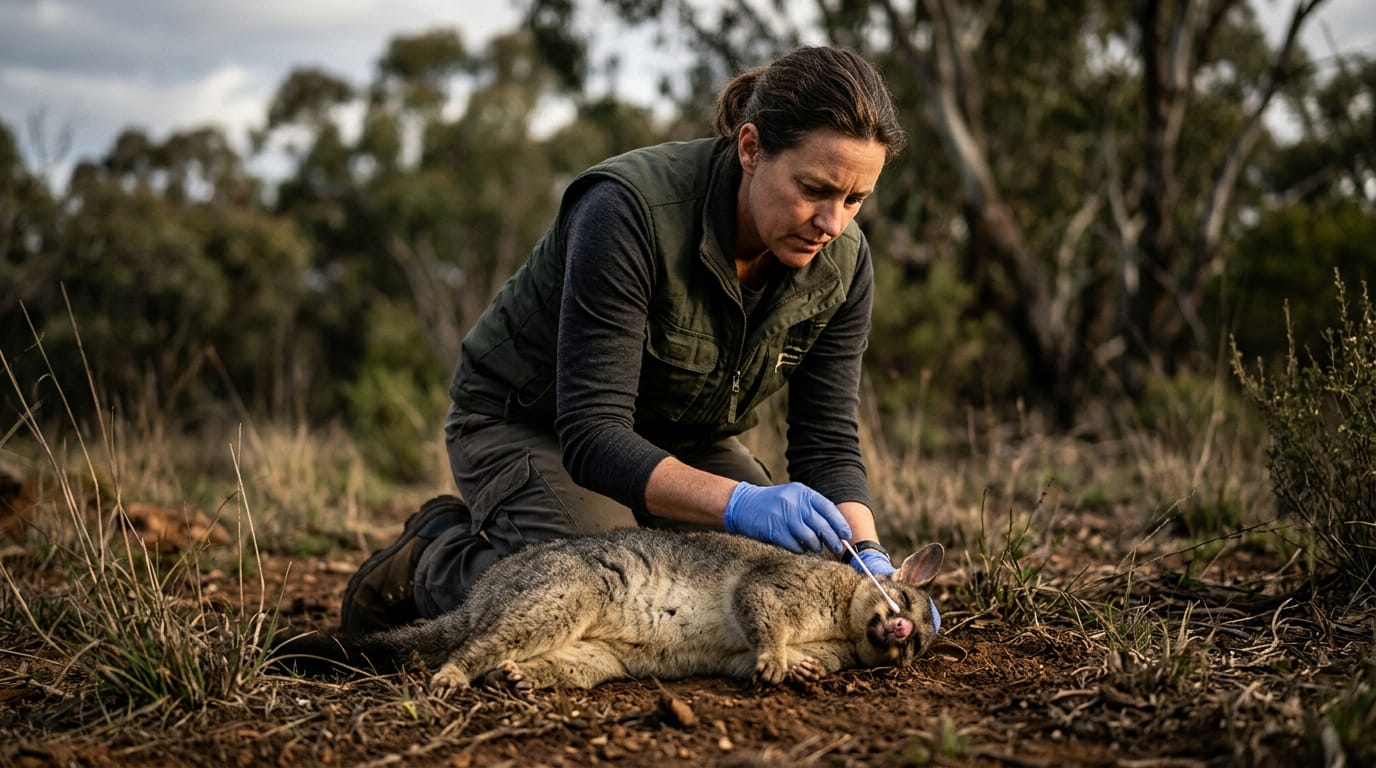
SYDNEY, Australia – Australia on Sunday confirmed its first instance of highly pathogenic avian influenza (HPAI) H5N1 in a local mammal, marking a significant escalation in the nation's ongoing battle against the virulent bird flu strain. A long-nosed fur seal found deceased in South Australia has tested positive for the virus, signaling a concerning new phase for a country that had long remained largely untouched by the global pandemic. The discovery underscores the pervasive nature of H5N1 and intensifies calls for vigilance across the continent's unique ecosystems and vital agricultural sectors.
The confirmation of H5N1 in a long-nosed fur seal near Beachport, approximately 310 kilometers south of Adelaide, has brought the global avian influenza crisis closer to home for mainland Australia. Authorities reported that the seal was found dead without any apparent injuries, suggesting the virus as a direct cause of mortality. Federal Agriculture Minister Julie Collins acknowledged the development as concerning but not entirely unexpected, given the virus's widespread global presence. While this marks the first confirmed mammalian case on mainland Australia, the virus previously caused mass fatalities among southern elephant seal pups on the remote sub-Antarctic Heard Island in late 2025, where local media reported more than 13,000 deaths. This earlier event served as a stark precursor to the potential impact H5N1 could have on marine mammal populations.
H5N1, specifically the clade 2.3.4.4b strain, first arrived in mainland Australia in June 2026, primarily detected in migratory seabirds. Since then, the nation has been grappling with a rising number of cases, with the federal government reporting 297 confirmed H5N1 detections nationwide as of last Friday. The initial spread was among migratory species, but the virus has since been identified in native birds, leading to Australia's first mass seabird deaths earlier this month. This pattern reflects a global trend where the virus has circulated extensively in wild bird populations, often leading to significant mortality events. The virulence of this particular H5N1 strain, which has been spreading globally since 2021, poses an unprecedented threat to wildlife, demonstrating its capacity to jump across species barriers.
The ecological ramifications of H5N1's establishment in Australia are profound, posing a direct threat to nearly 400 native Australian bird and mammal species deemed at high or extreme risk. Vulnerable populations include penguins, quolls, dolphins, and critically endangered species such as the Australian sea lion and Tasmanian devil. Experts fear that the virus could lead to "severe reduction in population size or viability" for many of these animals, with some species facing a real extinction risk. In response to this escalating threat, the Australian government has implemented a comprehensive "One Health" approach, backed by over $100 million in funding. This initiative focuses on enhanced wild bird surveillance, increased agricultural biosecurity, and critical environmental protection measures for threatened species. Furthermore, authorities are undertaking proactive measures such as vaccinating all native birds in captivity and planning to vaccinate thousands of little penguins at Phillip Island and St Kilda to mitigate potential mass mortalities. The public is urged to adopt an "avoid, record, and report" protocol when encountering sick or dead wildlife, utilizing the Emergency Animal Disease Hotline to aid surveillance efforts.
From a human health perspective, Australian health authorities maintain that the risk of H5N1 transmission to people remains low. The Australian Centre for Disease Control (ACDC) and CSIRO experts have confirmed that there have been no human cases of the H5N1 clade 2.3.4.4b strain in Australia. While H5N1 is a zoonotic disease, meaning it can spread from animals to humans, infection typically occurs after close, prolonged contact with infected poultry or contaminated environments. The government has made a $22.1 million investment to bolster the National Medical Stockpile with pandemic influenza vaccines, as part of its broader preparedness strategy. Although the virus has yet to be detected in Australia's poultry or agricultural sectors, these industries are not complacent. Drawing lessons from global outbreaks that have impacted dairy cattle and other livestock, Australian agricultural bodies are proactively reviewing and adapting biosecurity strategies to minimize potential impacts. This forward-looking approach aims to safeguard food security and prevent the severe economic consequences observed in other nations following H5N1 incursions into farming operations.
The detection of H5N1 in a long-nosed fur seal underscores a new and complex chapter in Australia's public and environmental health narrative. The nation, once considered an isolated sanctuary from the global bird flu pandemic, now confronts the challenge of managing a virus that has proven its capacity to adapt and spread across diverse species. While the immediate risk to human health remains low, the broader implications for Australia's iconic wildlife and robust agricultural industries necessitate sustained vigilance, ongoing scientific monitoring, and a unified national response. The collaborative efforts of government, scientific communities, and the public will be crucial in navigating this evolving biosecurity landscape and protecting Australia's unique natural heritage.