Australia Embraces "Free Electricity" as Global Eco-Wins Signal Shifting Tides
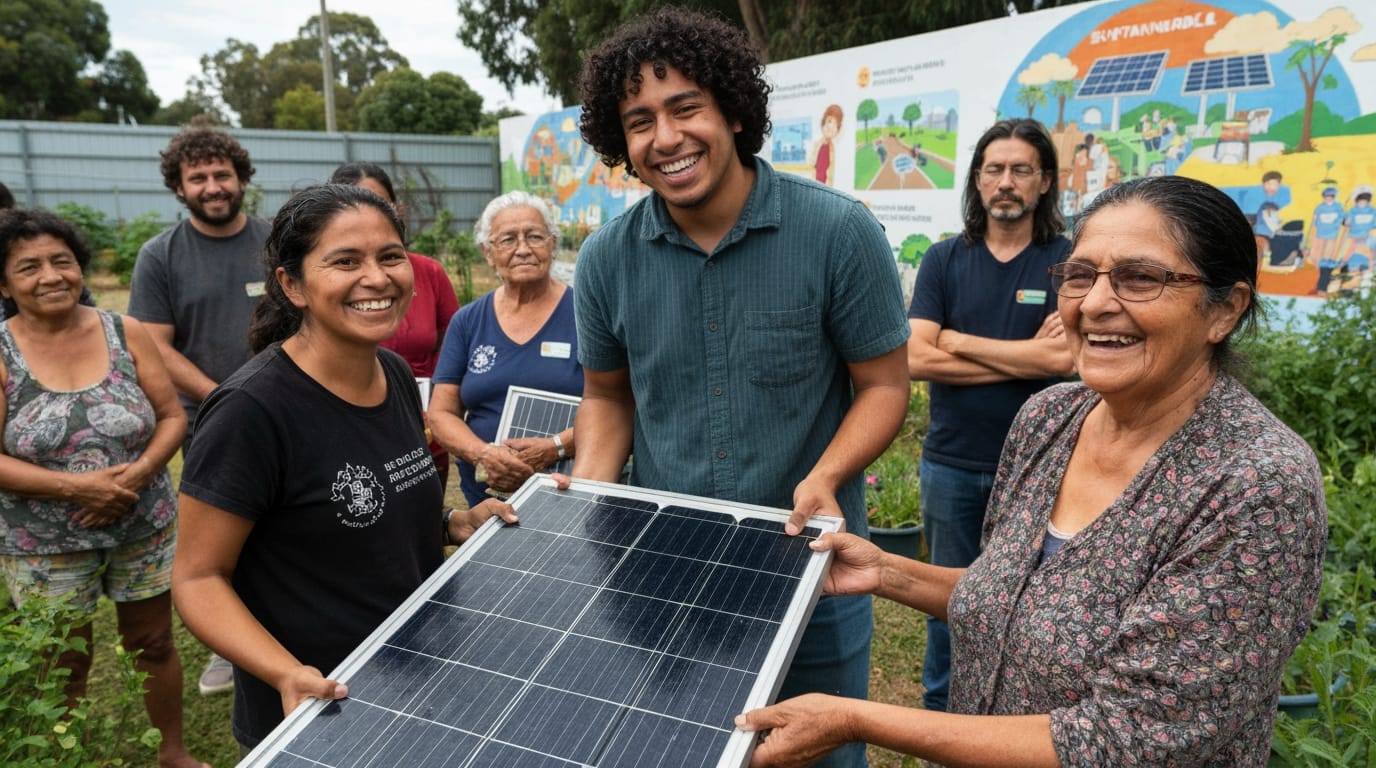
Sydney, Australia – In a landmark move poised to reshape household energy consumption and further solidify its renewable energy leadership, Australia has officially launched a pioneering "Solar Sharer Offer," providing eligible households with three hours of free electricity daily. Effective July 1, 2026, this initiative responds to the nation's burgeoning solar power surplus, offering a tangible benefit to consumers while addressing grid management challenges. The scheme headlines a week of notable environmental advancements, from significant air quality improvements in Europe to critical strides in renewable energy infrastructure worldwide, collectively painting a picture of accelerating global efforts towards a sustainable future.
The Dawn of "Free Power" Across Australian Homes
The much-anticipated Solar Sharer Offer, a regulated energy initiative, officially commenced on July 1, 2026, initially rolling out to residential customers in New South Wales, South Australia, and South East Queensland. Victoria is slated to introduce a similar scheme, the Midday Power Saver, from October 1. This innovative program allows participants to access three hours of free electricity during the peak midday solar generation period, typically between 11 a.m. and 2 p.m. in NSW and SE Queensland, and noon to 3 p.m. in South Australia.
The core objective of the Solar Sharer Offer is to incentivize households to shift their energy-intensive activities, such as running washing machines, dishwashers, or charging electric vehicles, into this designated "free power" window. This strategic shift aims to soak up the abundant clean energy generated during daylight hours, alleviating pressure on the grid and making more efficient use of Australia's vast solar resources. Critically, eligibility for the offer does not require households to have their own rooftop solar panels, making the benefits accessible to renters and those without personal installations, provided they have a smart meter installed. A daily usage cap of 24 kilowatt-hours (kWh) applies, an allowance deemed generous enough to cover the daily electricity needs of an average five-person household, according to Australian Energy Regulator (AER) benchmarks. Beyond this cap, standard rates apply, and daily supply charges remain in effect.
The introduction of such a scheme stems directly from Australia's remarkable success in renewable energy adoption. With over 4.3 million rooftop solar installations, the country frequently experiences periods where solar generation exceeds demand, leading to wholesale electricity prices falling sharply or even turning negative. This "solar surplus problem" necessitates innovative solutions to manage grid stability and ensure the value of renewable generation is fully utilized.
Australia's Ascendant Renewable Energy Leadership
Australia has rapidly emerged as a global frontrunner in renewable energy, boasting the highest per-person production of wind and solar power worldwide. This transformation from a continent once defined by its vast distances to one characterized by energy abundance is a testament to significant investment in both rooftop photovoltaic systems and large-scale renewable projects.
The sheer volume of solar energy flowing into the grid during sunny periods has at times met over 70% of total demand in Western Australia's Wholesale Electricity Market and half of the demand across the east coast's National Electricity Market. This immense capacity, while a positive indicator of decarbonization, also presents operational challenges for traditional grid infrastructure, which was originally designed for one-way power distribution from centralized generators. The Solar Sharer Offer directly tackles this by promoting demand-side management, allowing consumers to become active participants in balancing the energy system.
Further underscoring Australia's commitment to advanced renewable infrastructure, the Baldon wind farm and DC-coupled battery project in New South Wales recently secured crucial grid connection approval. This "next-generation" hybrid facility, combining utility-scale wind generation with integrated battery storage, is one of the first in the country to receive backing under the federal government's Capacity Investment Scheme. Such projects are vital for providing grid stability and reliability, ensuring that the increasing proportion of intermittent renewable energy can be seamlessly integrated and dispatched when needed.
A Broader Canvas of Global Environmental Progress
Beyond Australia's innovative energy policies, the past week has seen encouraging environmental victories on a global scale. Europe, for instance, has reported a significant reduction in air pollution, a positive outcome attributed to decades of environmental policy. Data from the European Union's Copernicus Atmosphere Monitoring Service (CAMS) indicates annual declines of 3-5% in sulphur oxides and nitrogen oxides emissions, primarily from industrial and road transport sectors. This progress signals that sustained regulatory efforts can yield tangible improvements in air quality across large geographical areas.
In marine conservation, the Red Sea coral reefs, which have demonstrated remarkable resilience to rising ocean temperatures, are under consideration for UNESCO world heritage status. Their unique ability to withstand warming events offers invaluable insights for coral reef protection globally and highlights critical areas for international conservation focus. On land, local biodiversity efforts are also making headway, as evidenced by the release of glow-worm larvae into an English national park, aiming to restore populations of this near-threatened species.
Furthermore, a report by the World Health Organization (WHO) highlighted encouraging progress in global electricity access, with some 800 million people gaining access since 2010. While acknowledging that the pace remains too slow to achieve universal access by 2030, these gains demonstrate the ongoing impact of electrification efforts, particularly with the acceleration of renewable energy deployment as a key solution.
The Implications for Future Energy Consumption
The Solar Sharer Offer is more than just a means to reduce individual electricity bills; it represents a significant step towards a more intelligent and flexible energy grid. By encouraging consumers to align their demand with periods of high renewable generation, the scheme fosters a new paradigm of energy usage, where households actively contribute to grid stability rather than passively consuming power. The financial savings, estimated to be hundreds of dollars annually for households effectively shifting their usage, serve as a powerful incentive for behavioral change.
However, the policy also raises questions about long-term market stability and equity. While consumers with flexible lifestyles and smart meters are poised to benefit most, the fixed costs of maintaining the grid still need to be recovered, potentially leading to price adjustments at other times for those unable to adapt their consumption patterns. The scheme also implicitly encourages the adoption of digital infrastructure, such as smart meters and automated appliance scheduling, which are crucial for the future of responsive energy systems.
Looking ahead, the success of such initiatives in Australia could provide a blueprint for other nations grappling with similar challenges of integrating high levels of intermittent renewable energy. The concept of "free energy hours" could potentially extend beyond residential customers, impacting commercial and industrial sectors, encouraging them to optimize operations during periods of energy abundance and contributing to broader economic benefits.
A Collective Leap Towards Sustainability
The introduction of Australia's Solar Sharer Offer and the array of global environmental victories this week underscore a crucial juncture in humanity's pursuit of sustainability. From national policies leveraging abundant solar power to international efforts safeguarding biodiversity and improving public health, these developments highlight a collective momentum towards a greener future. While challenges persist in managing the transition to fully renewable energy systems and ensuring equitable access to resources, the innovative solutions emerging, particularly from pioneering nations like Australia, offer a powerful testament to human ingenuity and the growing global commitment to environmental stewardship. The shift from energy scarcity to a future of renewable abundance is not without its complexities, but the ongoing progress demonstrates a determined march toward a more sustainable and resilient planet.