Australia Mourns, Implements Sweeping Gun Reforms Following Devastating Bondi Shootings
Sydney, Australia – A nation grapples with profound grief and renewed resolve in the wake of the horrific December 14 gun attack at Bondi Beach, which claimed 15 lives and left dozens wounded during a Hanukkah celebration. As Australia lays its dead to rest, a wave of communal mourning has swept across the country, marked by poignant tributes, while federal and state governments move swiftly to enact the most significant gun law reforms since the 1996 Port Arthur massacre. The tragedy has ignited a national conversation on gun control and community safety, underscoring both the fragility of peace and the enduring strength of collective resilience.
A Community Shattered and United in Grief
The idyllic setting of Bondi Beach was irrevocably marred on a Sunday evening when two assailants opened fire on a Hanukkah celebration, turning a festive gathering into a scene of unspeakable terror. The coordinated attack, allegedly perpetrated by a father and son reportedly inspired by the Islamic State group, left 15 individuals dead and 55 shot, sending shockwaves across Australia and beyond. In the immediate aftermath, a stunned community began the arduous process of coming to terms with the devastating loss, converging at makeshift memorials to lay flowers, offer solace, and reflect on the lives violently cut short. The attack, which specifically targeted the Jewish community, has been condemned nationally as an act of terror, prompting a collective outpouring of grief that transcends religious and cultural lines.
Farewell to the Fallen: Stories from the Funerals
The somber task of farewelling the victims has cast a pall over Sydney, with funerals held for individuals spanning generations and walks of life. Among the first to be laid to rest was 10-year-old Matilda, the youngest victim of the massacre, whose family migrated from Ukraine seeking a safer life. Her father’s poignant plea for her legacy not to be forgotten resonated deeply with a grieving public. Eighty-seven-year-old Alex Kleytman, a Holocaust survivor, also received his final farewell. His wife shared a harrowing account of his final moments, describing how he bravely shielded her from gunfire.
The community also mourned the loss of two beloved religious leaders, Rabbi Eli Schlanger, 41, a father of five, and Rabbi Yaakov Levitan, 39, a father of four, both integral to the Chabad of Bondi. Their funerals, along with others, were attended by heartbroken family members, community leaders, and political figures, all united in sorrow and a shared commitment to remembrance. Beyond these individual stories, the fatalities included a married couple who confronted a shooter and a man who attempted to intervene by throwing bricks. The services, many conducted in accordance with Jewish tradition outside synagogues, served as powerful reminders of the profound human cost of the violence.
Waves of Remembrance: The Paddler's Tribute
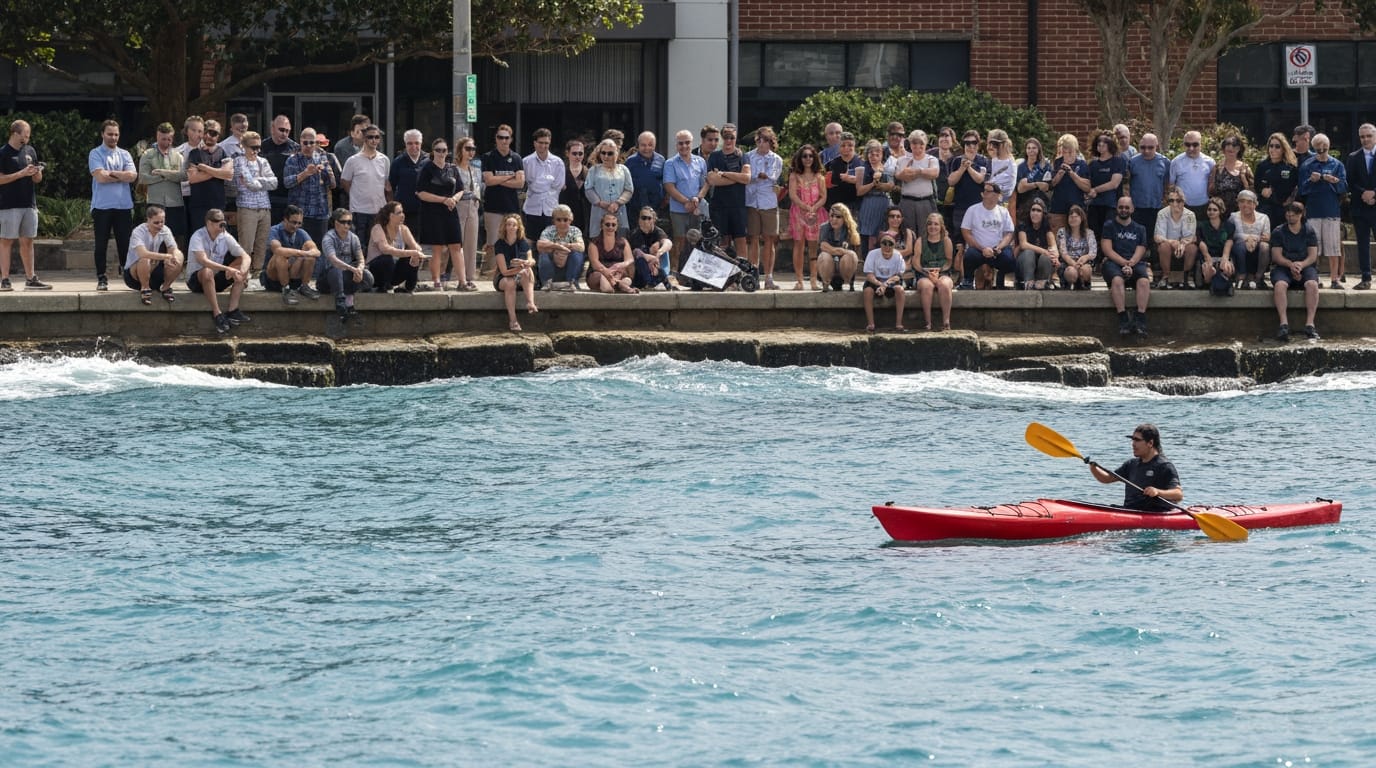
Amidst the sorrow, expressions of communal solidarity have emerged, none more visually striking than the "paddle-out" ceremony held off North Bondi. Thousands of Sydneysiders gathered, with an estimated 700 paddlers taking to the ocean at dawn, forming a poignant circle on the water. In a moment of collective silence, the surf community and wider public paid tribute to the victims, their boards forming a floating memorial against the iconic coastline. Organised by local resident Trent Knox, the event provided a unique space for shared grief and healing. Rabbi Yosef Eichenblatt of the Central Synagogue, who also attended, described the gathering as "extremely heart-warming" and "therapeutic," expressing hope that such unity could foster positive change and overcome "evil and darkness." This symbolic act reflected the community's determination to reclaim its spirit and demonstrate that love and remembrance can endure even in the face of profound tragedy.
National Resolve: The Gun Buyback and Legislative Reforms
In a decisive response to the mass shooting, Prime Minister Anthony Albanese announced a national gun buyback scheme, labeling it the largest such initiative since the landmark reforms following the 1996 Port Arthur massacre. The program aims to acquire and destroy surplus, newly banned, and illegal firearms, with costs to be jointly funded by the federal and state governments. This swift action underscores Australia's commitment to its stringent gun laws, often regarded as a global "gold standard" after the post-Port Arthur reforms drastically reduced gun violence.
Beyond the buyback, a comprehensive package of legislative reforms is being prepared. State governments are set to tighten gun laws, with proposals including limiting firearm licenses exclusively to Australian citizens, implementing more rigorous background checks, capping the timeframe for license issuance, and restricting the number of weapons individuals can own. Furthermore, the establishment of a long-awaited national firearms register, initially recommended after Port Arthur, is being accelerated, though it is not expected to be operational until 2027 at the earliest. Concerns had grown in recent years regarding a surging number of weapons in the community, with one of the alleged Bondi shooters reportedly being a registered gun owner with six legally obtained firearms, highlighting perceived loopholes in existing regulations. The new measures seek to reinforce Australia's robust gun control framework and prevent similar tragedies.
The Bondi shootings have reignited national dialogue about the ongoing threat of extremism and the need for constant vigilance in safeguarding communities. The blend of deeply personal sorrow and collective public action characterizes a nation determined to heal, remember, and prevent future atrocities. Through the solemnity of funerals, the solidarity of community tributes, and the firmness of legislative reform, Australia confronts its grief while reaffirming its commitment to a safer future.