Australia Repatriates 13 Citizens Linked to Islamic State from Syrian Camps
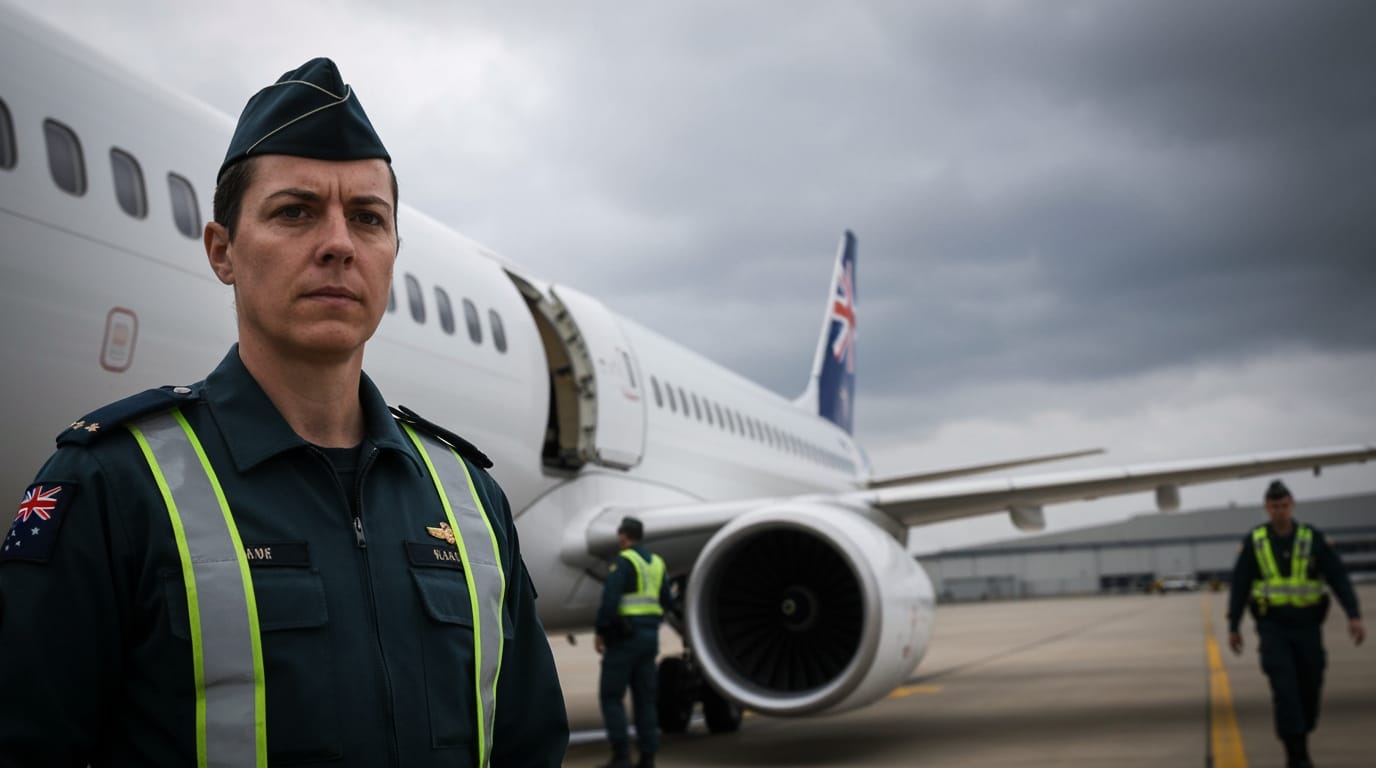
Thirteen Australian citizens, including four women and nine children, are scheduled to return home from Syria, concluding a protracted stay in detention camps in the region. This repatriation effort, confirmed by Australian authorities on Wednesday, marks a complex chapter in the nation's efforts to address the fate of individuals connected to the extremist group Islamic State (IS). While the returnees face immediate scrutiny and potential legal action upon arrival, the government has explicitly stated it will not provide assistance to those it deems responsible for making an "appalling, disgraceful decision" to join or support a terrorist organization.
Return to Scrutiny: The Repatriation Details
The group, composed of four women and nine children, is expected to arrive in Australia, with landings anticipated at both Sydney and Melbourne airports on Thursday. Their return follows years spent in the Roj detention camp in northeast Syria, one of several facilities holding families of suspected Islamic State fighters following the collapse of the group's self-proclaimed caliphate. Australian Home Affairs Minister Tony Burke indicated that an alert regarding the group's travel booking was received on Wednesday morning, signaling the imminent repatriation. The operation highlights the logistical and diplomatic challenges involved in extracting citizens from a conflict zone and the strict conditions under which their return is being managed.
A Decade of Preparedness: Background and Context
The issue of foreign fighters and their families in Syria has been a persistent global challenge, with many nations grappling with the implications of repatriating citizens who traveled to join or live under IS rule. For Australia, this is not an entirely new scenario. Australian authorities have been developing contingency plans and preparing for such returns for more than a decade, with law enforcement and intelligence agencies establishing frameworks since 2014 to manage individuals linked to extremist groups. These preparations underscore the long-term recognition of the potential security and social challenges posed by returning individuals from conflict zones. Many of the women now returning originally traveled to Syria between 2012 and 2016, allegedly to join husbands who had become members of Islamic State. After the caliphate's defeat in 2019, many such individuals and their families were detained in camps, including Al-Hol near the Iraqi border, which held relatives of suspected IS fighters captured during the U.S.-backed campaign against the group.
Government Stance and Legal Ramifications
The Australian government has maintained a firm stance regarding these returnees, emphasizing that while they are citizens, their actions are not condoned. Home Affairs Minister Tony Burke stated that the government would not provide assistance to these individuals, asserting that their decisions were "appalling" and "disgraceful". He also noted "very serious limits" on the government's ability to prevent Australian citizens from re-entering the country. Upon their arrival, several individuals are expected to face immediate arrest and charges. Australian Federal Police Commissioner Krissy Barrett confirmed that evidence was collected in Syria to investigate whether Australians had committed crimes under Australian law, including traveling to prohibited areas and engaging in slave trade. While some will be arrested and charged, others will remain under investigation. This approach reflects a dual strategy of upholding citizenship rights while holding individuals accountable for alleged criminal conduct linked to terrorism. Prime Minister Anthony Albanese reinforced this position, stating that if returnees have committed crimes, they should expect to face the full force of the law without exception. The government has also previously issued an exclusion order preventing another woman in a Syrian camp from entering Australia, indicating a selective approach based on individual circumstances and security assessments.
The Path Ahead: Rehabilitation and Integration
For the nine children returning, the path forward will involve significant support. Australian Federal Police Commissioner Krissy Barrett outlined plans for children in the cohort to undergo community integration programs, therapeutic support, and countering violent extremism programs. These initiatives aim to address the trauma and potential radicalization exposure experienced by these young individuals, facilitating their reintegration into Australian society. The welfare and long-term rehabilitation of these children represent a crucial humanitarian aspect of the repatriation, recognizing their involuntary circumstances and vulnerability. While the government's stance on the adults remains resolute, the focus on the children underscores a commitment to their well-being and future. The broader debate surrounding the repatriation of IS-linked individuals has also seen calls from human rights organizations. In March, the Australian Human Rights Commission president, Hugh de Kretser, urged the government to support the return of 34 Australian women and children from the Roj camp, citing that Australian citizens had been living there for seven years. This broader context indicates ongoing discussions about the balance between national security and human rights obligations.
The return of these 13 citizens represents a critical moment for Australia, forcing a confrontation with the complex legacy of its citizens' involvement with extremist groups abroad. It necessitates a careful balance between national security concerns, legal accountability for alleged offenses, and the humanitarian responsibilities towards vulnerable children. As the returnees navigate the legal and social implications of their arrival, Australia embarks on a new phase of managing the long-term consequences of this global conflict.


