Balcony Solar Illuminates New Path for Renewable Energy Across US States
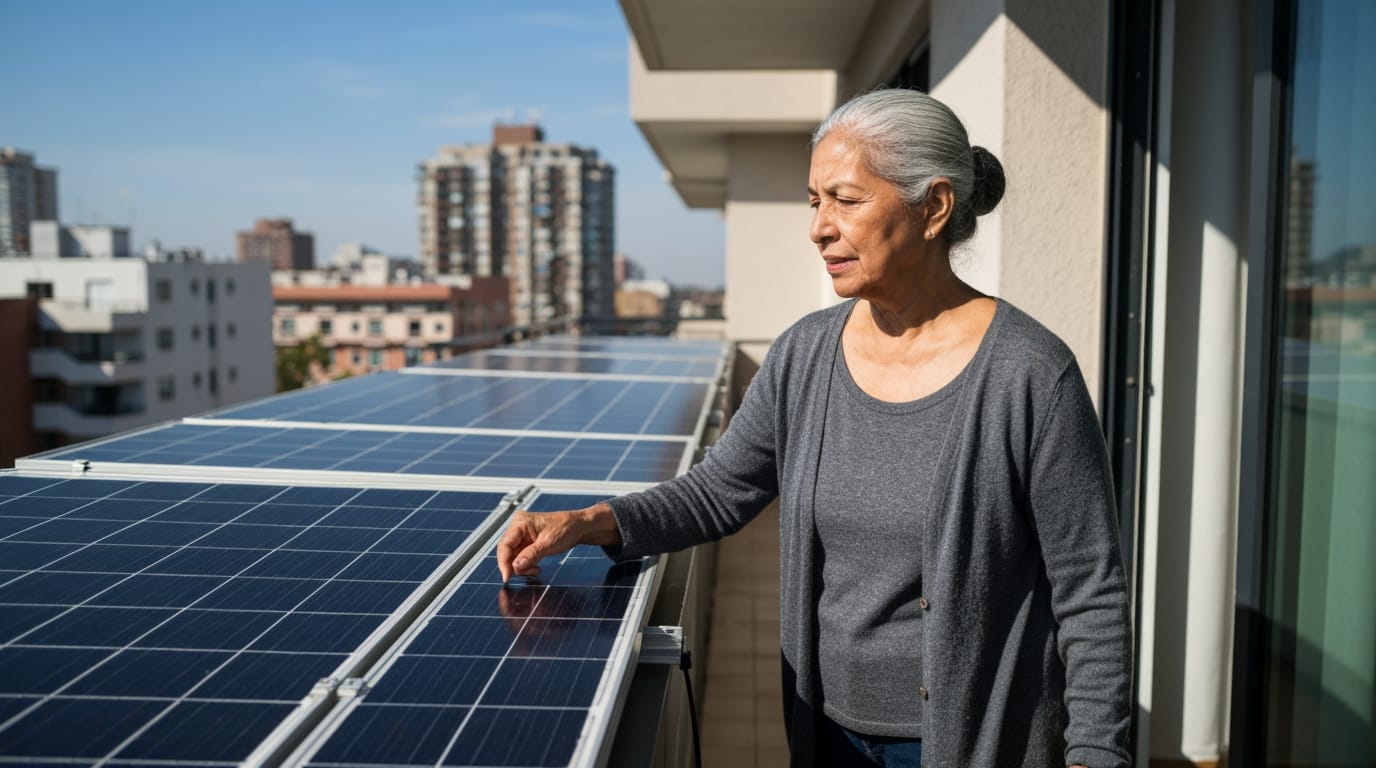
A quiet revolution is beginning to unfold across American cities and suburbs, transforming apartment balconies and small patios into miniature power plants. As US states increasingly embrace renewable energy solutions, the simple, accessible technology of balcony solar panels is emerging as a significant new frontier, offering individuals a direct stake in the clean energy transition. This shift promises to democratize solar power, moving it beyond traditional rooftop installations and into the everyday lives of millions, particularly renters and apartment dwellers previously excluded from the solar economy.
The Rise of Plug-and-Play Power
Balcony solar panels, often referred to as plug-in distributed energy resources (DERs), are compact photovoltaic systems designed for easy installation and direct connection to a standard home electrical outlet. Typically ranging from 300 to 800 watts, these units usually consist of a few solar panels coupled with an inverter and sometimes battery storage. Their appeal lies in their affordability, with systems costing between $400 and $2,000, a stark contrast to the tens of thousands required for traditional rooftop installations.
Unlike complex rooftop solar projects, balcony systems are designed for modularity and can often be installed by consumers themselves, sending generated power directly into the home's wiring to offset electricity consumption. This ease of use and lower entry barrier has made them exceptionally popular in Europe, especially in Germany, where over a million homes now utilize these systems, spurred by legislation preventing landlords from prohibiting their use. The widespread adoption in Germany serves as a model for how these micro-solar solutions can be integrated into diverse housing landscapes.
States Pave the Way with Progressive Policies
Historically, the US market for plug-in DERs has lagged due to technical, interconnection, and regulatory barriers. However, a growing number of states are now actively working to dismantle these obstacles, with Utah leading the charge. Earlier this year, Utah became the first state to pass legislation specifically allowing for the adoption of portable solar, exempting systems generating up to 1.2 kilowatts from complex utility interconnection agreements. This groundbreaking bill, which also mandates safety certifications, received unanimous bipartisan support, highlighting a broad consensus on the benefits of accessible solar.
Following Utah's initiative, lawmakers in states such as New York, Pennsylvania, Vermont, New Hampshire, Maryland, and Maine have either introduced or announced plans for similar legislation. These legislative efforts primarily focus on simplifying the regulatory landscape, creating exemptions from burdensome utility agreements, and establishing clear safety standards, often requiring Underwriters Laboratories (UL) certification. Advocates for these bills emphasize their potential as "game-changers" for renters, low-income residents, and others who have historically been "shut out of the solar economy," promoting enhanced energy independence and affordability.
Empowering Consumers and Strengthening the Grid
The proliferation of balcony solar offers a multitude of benefits for individual consumers and the broader energy landscape. For individuals, these systems can significantly reduce monthly electricity bills, with some users reporting savings of around $35 per month for a $2,000 setup, potentially paying for themselves within four to five years even without additional incentives. This direct financial benefit, coupled with the desire for greater energy independence, serves as a powerful motivator for adoption.
Beyond personal savings, balcony solar contributes to the larger clean energy transition by reducing reliance on fossil fuels and lowering carbon emissions. While the individual contribution of a single balcony unit may be small, the collective impact of widespread adoption can be substantial. Furthermore, these micro-generators can play a role in easing demand on the electrical grid, potentially contributing to virtual power plant capacities and enhancing grid resilience. The ability to generate power at the point of consumption aligns with broader trends toward decentralized energy systems.
Navigating Remaining Hurdles and Future Prospects
Despite the accelerating momentum, the widespread adoption of balcony solar in the US still faces several challenges. Regulatory hurdles, particularly inconsistencies in state and local codes and utility interconnection requirements, have historically stifled growth. Concerns regarding safety, including "touch safety," "breaker masking," and the performance of ground-fault circuit interrupters, necessitate clear UL and National Electrical Code (NEC) compliance. Utility companies, in some instances, have been hesitant to embrace plug-in solar due to concerns over profits or a lack of clear operational guidelines for these smaller systems.
Another practical consideration is the inherently lower power output of balcony systems compared to large rooftop arrays. They are generally not sufficient to power an entire home, particularly those with substantial air conditioning units or electric vehicle charging needs. However, manufacturers and advocacy groups are actively working to overcome these barriers. Companies like CraftStrom and Bright Saver are developing UL- and NEC-compliant products and collaborating with policymakers to clarify regulations, demonstrating that technical and regulatory obstacles are not insurmountable.
The future for balcony solar in the US appears bright, propelled by bipartisan political support, increasing consumer demand for affordable clean energy, and ongoing technological innovation. With states across the country moving to streamline regulations and support the deployment of these user-friendly systems, balcony solar is poised to become a significant component of the nation's diversified renewable energy portfolio. This shift represents not just a technological advancement, but a fundamental expansion of access to clean energy, empowering more Americans to participate directly in the energy transition.