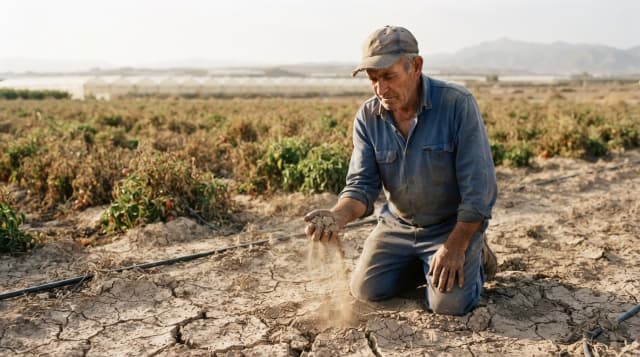
Global Agriculture Grapples with Skyrocketing Fertilizer Costs Amid Iran War Disruptions
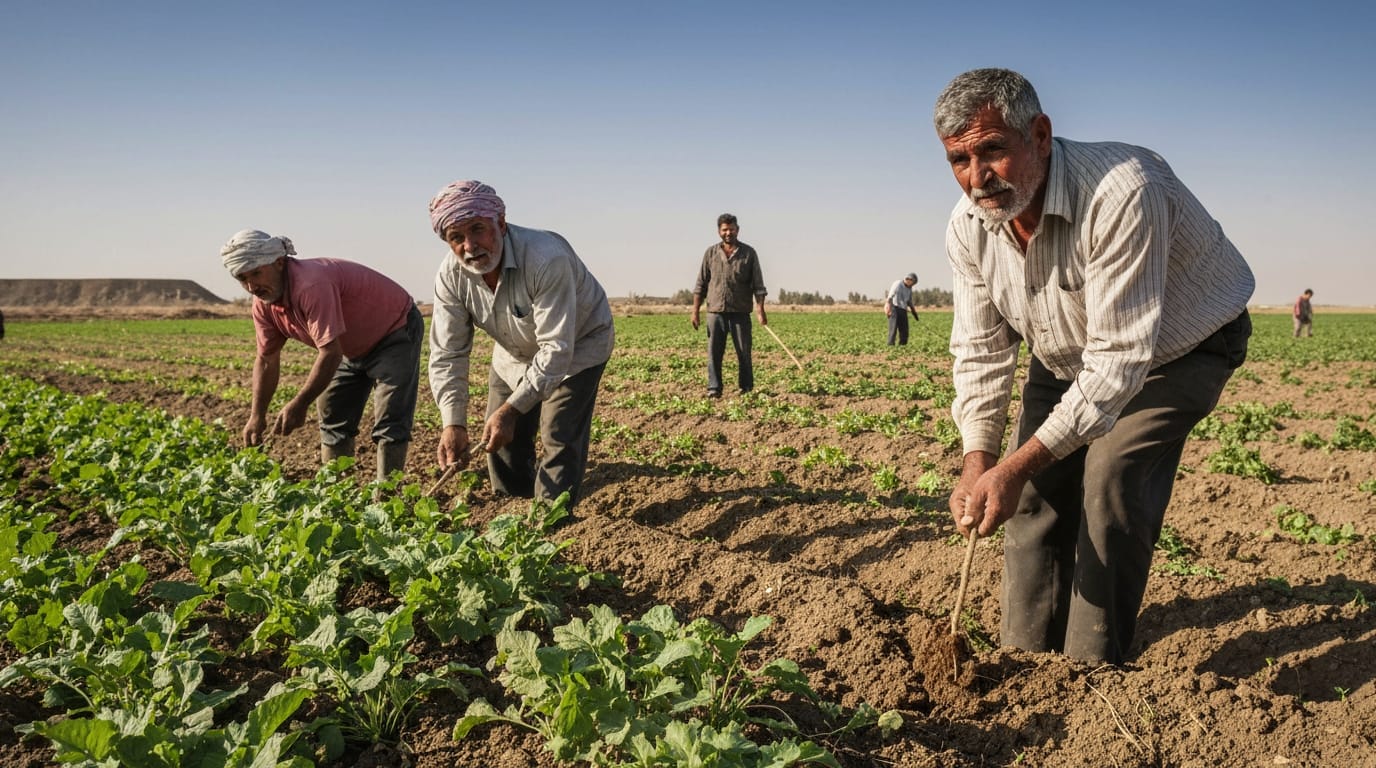
Global food systems face a severe challenge as geopolitical tensions, particularly the ongoing conflict involving Iran, throttle the international fertilizer supply, driving prices to unprecedented highs and forcing farmers worldwide to make difficult and potentially yield-reducing decisions as critical planting seasons unfold. The conflict's disruption of key maritime trade routes, notably the Strait of Hormuz, has choked the flow of essential raw materials and finished fertilizers, exacerbating an already volatile market. Farmers are now confronting a landscape of soaring input costs and uncertain supply, leading to widespread adoption of adaptive strategies to preserve livelihoods and maintain food production.
The Strait's Chokehold and Spiraling Costs
The latest escalation in the Iran conflict has plunged the global fertilizer market into fresh turmoil, with direct and immediate impacts on supply chains. The Strait of Hormuz, a narrow yet indispensable maritime passage, has become a focal point of disruption, severely impeding the transit of crucial agricultural inputs. Nearly half of the world's urea and sulfur trade, alongside approximately 20% of the natural gas vital for fertilizer production, typically navigates through this strategic waterway. Any instability or closure in this region inevitably translates into a global supply shock.
The current geopolitical climate has led to significant delays and outright stoppages in fertilizer shipments from the Middle East, a major producing region for urea, ammonia, phosphates, and sulfur. The immediate fallout has been a dramatic surge in prices. Urea, a widely utilized nitrogen fertilizer, has seen its price climb by approximately 50% since the war's outset, breaching the $700 per ton threshold for the first time since 2022. This upward pressure extends across the entire fertilizer complex, with overall prices for some varieties reportedly doubling. Beyond direct shipping disruptions, the conflict has fueled a spike in global oil and natural gas prices. Natural gas is a primary feedstock for nitrogen-based fertilizers like ammonia and urea, meaning higher energy costs directly translate to elevated production expenses.
The current crisis also layers upon existing vulnerabilities in the global fertilizer market, still reeling from the lingering effects of the Russia-Ukraine war. That conflict had previously reshaped nitrogen fertilizer trade flows and contributed to price volatility. Furthermore, major producers like China have recently prioritized domestic supply security, imposing export restrictions on fertilizers, which further tightens the global market and exacerbates the current crunch. The confluence of these factors has created a perfect storm for agricultural producers.
Farmers Face Unprecedented Choices
For farmers globally, the fertilizer crisis presents an existential challenge, particularly coinciding with the crucial spring planting season in the Northern Hemisphere. Fertilizer expenses can account for a substantial portion—between one-third and one-half—of the total operating costs for major commodity crops like corn and wheat. The current price spikes are squeezing already tight farm margins, pushing many producers to the brink.
Uncertainty pervades the agricultural sector, with farmers facing not only significantly higher prices but also unpredictability in securing timely supplies. This predicament forces producers to grapple with difficult decisions that could have far-reaching consequences for their yields and profitability. Options include absorbing the increased costs, reducing application rates of fertilizers, or altering their planting strategies entirely.
Many American farmers, for instance, are considering or have already decided to reduce planted acreage or switch from fertilizer-intensive crops like corn to less demanding alternatives such as soybeans. While such shifts can mitigate immediate input costs, they carry the inherent risk of lower overall yields, which can diminish harvest returns and contribute to broader food supply concerns. Farmers in regions like Colorado and Illinois are experiencing acute economic strain, with some describing the situation as "not sustainable" in the long term, threatening the viability of multi-generational farm operations.
Innovative Adaptations and Shifting Practices
In response to these formidable challenges, farmers worldwide are implementing a range of innovative adaptation strategies, prioritizing efficiency, sustainability, and the exploration of alternative nutrient sources. These approaches aim to mitigate the financial burden of high fertilizer costs while striving to maintain soil health and crop productivity.
One primary focus is on precision agriculture, leveraging technology to optimize fertilizer use. This includes widespread adoption of advanced soil testing to accurately identify nutrient deficiencies and excesses, followed by variable-rate application techniques. These methods allow farmers to deliver exact amounts of fertilizer precisely where and when needed, significantly reducing waste and overall input costs. By focusing on return on investment for every dollar spent on fertility, producers are making more data-driven decisions.
Beyond technological solutions, many farmers are embracing more sustainable agricultural practices to reduce their reliance on synthetic fertilizers. Crop rotation is gaining renewed importance, particularly the strategic integration of legume crops (such as soybeans) that naturally fix nitrogen in the soil, thereby minimizing the need for commercial nitrogen fertilizers in subsequent plantings. Cover cropping, another ecological practice, involves planting non-cash crops between growing seasons to protect soil from erosion, improve soil structure, enhance nutrient cycling, and fix nitrogen, further contributing to reduced fertilizer demand.
Additionally, organic nutrient management strategies are being employed, with increased use of compost and manure to enrich soil organic matter. This not only boosts nutrient availability but also improves soil structure and water retention, fostering healthier, more resilient soil systems less dependent on external inputs. Farmers are also exploring the use of alternative biological products, such as bio-stimulants and microbial fertilizers, which are designed to enhance nutrient release from the soil and improve plant nutrient uptake efficiency, offering a biological pathway to reduce traditional fertilizer requirements.
Global Ramifications and the Future of Farming
The fertilizer crunch, intensified by the Iran conflict, extends far beyond individual farm gates, carrying profound implications for global food security and the economic stability of nations. The potential for reduced crop yields due to decreased fertilizer application threatens to constrain global agricultural output, inevitably leading to higher consumer food prices. This inflationary pressure on food commodities could disproportionately impact vulnerable populations and developing nations, many of which are already grappling with the twin crises of climate change and economic instability.
Policymakers and agricultural experts are increasingly emphasizing the need for more resilient supply chains and diversified sourcing strategies for critical inputs. The current crisis underscores the systemic vulnerabilities of a highly concentrated global fertilizer market, where geopolitical events in one region can ripple outwards with cascading effects on food systems worldwide.
Looking ahead, the enduring challenges posed by volatile fertilizer markets are likely to accelerate a broader shift towards more sustainable and self-reliant agricultural practices. The economic imperatives are pushing farmers to innovate and adopt regenerative farming techniques that prioritize soil health, nutrient efficiency, and reduced dependency on external, often geopolitically sensitive, inputs. This involuntary pivot, driven by necessity, could ultimately reshape agricultural landscapes, fostering more environmentally sound and economically resilient food production systems in the long term.
Conclusion
The fertilizer crunch, ignited by the Iran conflict and its disruption of vital trade arteries like the Strait of Hormuz, has cast a long shadow over global agriculture. Farmers, already accustomed to navigating market volatility and environmental challenges, are now contending with unprecedented input costs and supply uncertainties at a critical juncture for planting seasons. Their adaptive responses—from precision application and crop rotation to embracing organic amendments—demonstrate remarkable resilience and ingenuity in the face of adversity. While these strategies offer some mitigation, the overarching crisis highlights the fragility of global food supply chains and the profound interconnectedness of geopolitical stability and agricultural output. Ensuring long-term food security will necessitate continued innovation on the farm, robust policy support, and a collective global effort to foster more diversified, efficient, and resilient agricultural systems capable of weathering future shocks.