The Silent Scourge: How Life-Saving Drugs Fuel a Global Superbug Crisis in Our Waterways and Soils

The very medications designed to save lives are inadvertently contributing to a burgeoning global health crisis: the rise of "superbugs." Antimicrobial resistance (AMR), a phenomenon where bacteria, viruses, fungi, and parasites evolve to withstand the drugs meant to kill them, is rapidly escalating, fueled in part by pharmaceutical pollution permeating our rivers, soils, and ultimately, our food chains. This invisible contamination, originating from diverse sources ranging from human and animal waste to industrial discharge, is transforming natural environments into breeding grounds for drug-resistant pathogens, posing an existential threat to modern medicine and human health worldwide.
The Invisible Threat: A Looming Public Health Catastrophe
Antimicrobial resistance represents one of the most pressing global health challenges of our time, often likened to a silent pandemic. In 2019 alone, an estimated 1.27 million deaths were directly attributed to drug-resistant infections, surpassing fatalities from HIV and malaria. Projections paint an even grimmer picture, with AMR expected to cause 10 million deaths annually by 2050, matching today's global cancer mortality rates and potentially pushing 24 million people into extreme poverty. This crisis is not confined to hospitals; more and more scientific evidence suggests that antibiotics and antibiotic resistance genes (ARGs) in the environment play a significant role in both the emergence and spread of resistance, underscoring the critical link between environmental health and human well-being. The environment acts as a vast "resistome," a pool of resistance genes that can potentially transfer to pathogenic bacteria, making infections harder, or even impossible, to treat.
From Medicine Cabinets to Ecosystems: Pathways of Pollution
The journey of pharmaceuticals from therapeutic agents to environmental contaminants is multifaceted, involving several key pathways. A significant portion of antibiotics consumed by humans and animals is not fully metabolized, with active compounds excreted in urine and feces. These residues then enter sewage systems, where conventional wastewater treatment plants, often not designed to remove such complex chemical compounds, allow many pharmaceutical residues to pass through into rivers, lakes, and coastal ecosystems. In many parts of the world, particularly in low- and middle-income countries with weak infrastructure, up to 80% of wastewater is discharged directly into waterways without adequate treatment.
Beyond excretion, improper disposal of unused or expired medications by households and healthcare facilities significantly contributes to environmental contamination. Flushing drugs down toilets or sinks introduces these active pharmaceutical ingredients (APIs) directly into water systems.
However, one of the most concentrated and alarming sources of pharmaceutical pollution stems from the manufacturing process itself. Factories that produce antibiotics, particularly those manufacturing active pharmaceutical ingredients (APIs), often discharge wastewater packed with high concentrations of antibiotic residues and resistant bacteria into surrounding waterways. High levels of antibiotics in waterways downstream from these factories have been widely documented, with some plants showing resistance genes in their waste at levels 100 times higher than municipal wastewater treatment facilities. This manufacturing waste is largely unregulated, and quality assurance criteria typically do not address antibiotic pollution, despite mounting evidence linking these discharges to the creation of resistant pathogens that can spread globally. Countries like India and China, major global producers of antimicrobial APIs, have been identified as hotspots for this industrial contamination.
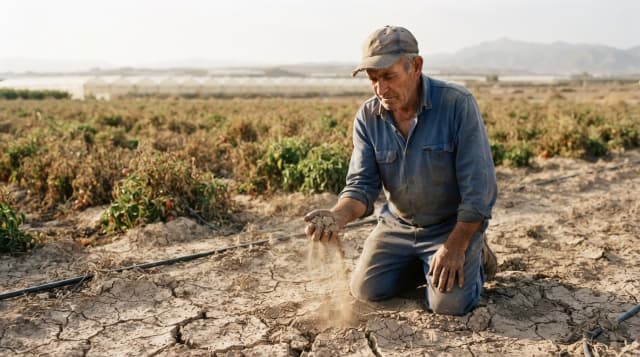
Agriculture and aquaculture also play a substantial role. Antibiotics are frequently administered to livestock and farmed fish to prevent and treat diseases, as well as to promote growth. Manure from these animals, containing drug residues and resistant germs, is often used as fertilizer on crop fields, directly contaminating soil and subsequently leaching into nearby water sources. The World Health Organization (WHO) has recommended against the routine use of antibiotics to prevent disease in groups of farm animals, yet this practice remains widespread.
Environmental Breeding Grounds for Resistance
Once pharmaceutical residues, especially antibiotics, enter the environment, they exert powerful selective pressure on microbial communities. The continuous presence of these drugs creates an evolutionary environment where only the toughest bacteria survive and thrive. This pressure accelerates the development and spread of antimicrobial resistance genes, which can be transferred between different bacteria, including those that cause human infections. Mobile genetic elements further facilitate the rapid dissemination of these resistance genes among microbial populations, turning natural environments into crucial reservoirs for antibiotic resistance.
Studies have shown that urban river water samples often contain more pharmaceuticals, including antibiotics, than suburban samples, impacting microbial communities in these aquatic environments. Research has also revealed that resistance genes from soil bacteria share similarities with those found in bacteria infecting humans, indicating that soil can be a direct source of resistance for pathogenic bacteria. Investigations downstream from factory farms have found powerful antibiotic resistance genes in public rivers and streams, demonstrating how animal waste contributes to the environmental resistome.
The Far-Reaching Consequences: A Global Threat
The environmental proliferation of superbugs has severe and far-reaching implications. For human health, the increasing prevalence of drug-resistant bacteria in the environment means a higher risk of untreatable infections. Individuals can become sick or colonized by antibiotic-resistant bacteria through contact with contaminated food or water, or direct contact with animals. If routine infections like urinary tract infections or strep throat become untreatable, the consequences could be catastrophic, leading to increased mortality and morbidity. The pollution pathways extend through water systems and into food supplies, raising concerns about the transfer of resistance genes from factory waste into agricultural systems and ultimately, the food we consume.
Beyond human health, pharmaceutical pollution disrupts aquatic ecosystems. Active pharmaceutical ingredients and their metabolites can persist in the environment, bioaccumulating in aquatic organisms and leading to toxicity and ecological imbalances. Altered microbial communities in streams, for instance, can lead to the proliferation of bacterial species associated with human diseases and gastrointestinal illness. Given the global nature of pharmaceutical manufacturing and the interconnectedness of water systems, pollution from one region can contribute to resistance problems worldwide, highlighting that this is not a localized issue but a global concern requiring collective action.
A Call for Urgent, Integrated Action
Addressing the superbug crisis necessitates a comprehensive, multi-sectoral approach that recognizes the intricate links between human, animal, and environmental health, often referred to as the "One Health" framework. Urgent interventions are required across the entire lifecycle of pharmaceuticals.
Improving wastewater treatment technologies is paramount. Traditional wastewater treatment plants are inadequate for removing many complex pharmaceutical compounds. Advanced technologies such as reverse osmosis, ozonation, activated carbon filtration, and electrochemical advanced oxidation processes have shown promise in removing drug residues from effluent streams. However, the expense associated with implementing and maintaining these advanced systems remains a significant barrier for many municipalities and industries. Bioremediation, utilizing plants or microbes to degrade pollutants, offers another potential solution, with research exploring the use of specific algae species for detoxification.
Stricter regulations and improved oversight of pharmaceutical manufacturing facilities are critically needed. The World Health Organization has issued guidance on wastewater management and AMR, emphasizing the need for robust targets for pollution mitigation. Policymakers must integrate environmental considerations into national action plans for AMR and develop international standards for permissible levels of antibiotic residues in effluent. This includes holding the pharmaceutical industry accountable for the waste generated during API production, especially in countries where regulation is currently limited.
Furthermore, public education and awareness campaigns are essential to promote responsible drug disposal. Establishing readily accessible drug take-back programs at pharmacies and healthcare facilities can prevent unused or expired medications from entering the environment through flushing or landfill seepage. Encouraging rational prescribing practices, proper medication storage, and the use of smaller packaging sizes can also help reduce the overall quantity of pharmaceutical waste generated.
Finally, global collaboration and policy initiatives are crucial to combat this transnational threat. Governments and private sector investors in developed nations must recognize that addressing pollution in developing countries is a matter of self-interest, as superbugs emerging anywhere can spread everywhere. Research into "green pharmacy," focusing on designing drugs that remain effective in the body but degrade more quickly in the environment, also offers a promising long-term solution.
The superbug crisis, exacerbated by pharmaceutical pollution, demands immediate and concerted action. Failure to address this silent environmental threat risks undermining the foundations of modern medicine, pushing humanity back into a pre-antibiotic era where common infections could once again become deadly.