Europe's Green Energy Success Hinges on Overcoming the Storage Challenge
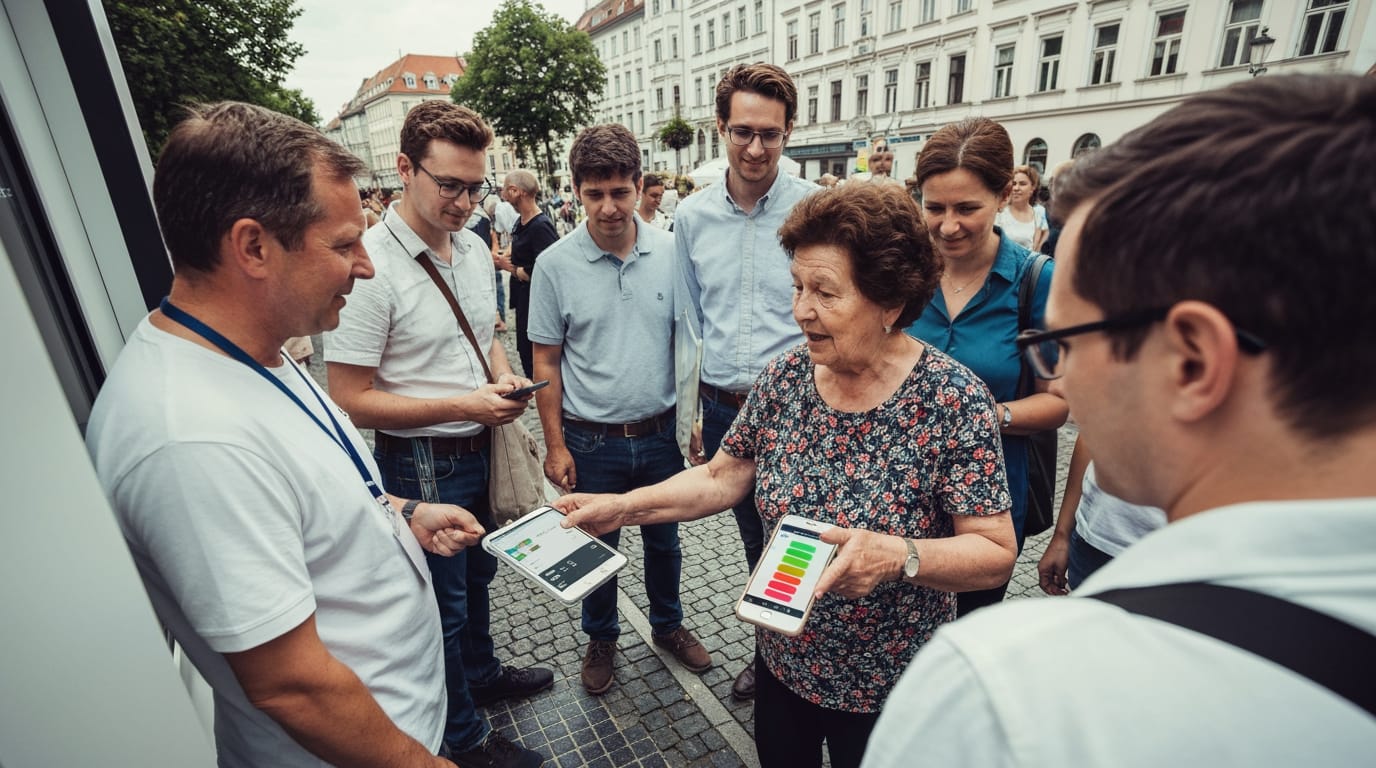
Brussels, Belgium – Europe stands at the forefront of a global energy revolution, having made monumental strides in transitioning to renewable sources. Yet, as wind turbines increasingly dot the landscape and solar panels gleam across rooftops, a critical bottleneck has emerged: the ability to store this clean power. While the continent has proven its prowess in generating green energy, effectively managing its inherent intermittency through robust storage solutions is now the defining challenge for a truly sustainable and secure energy future.
Europe's commitment to decarbonization has transformed its energy landscape, with renewable sources now supplying nearly half of its electricity. In 2024, renewables accounted for 47.3% of the European Union's total electricity generation, marking a historic achievement and a significant increase from previous years. This surge was primarily fueled by substantial expansion in solar and wind power. The EU has set an ambitious binding target to achieve a 42.5% share of renewables in its gross final energy consumption by 2030, with an aim to reach 45%. This rapid deployment has brought numerous benefits, including reduced greenhouse gas emissions, enhanced energy security, and decreased reliance on volatile fossil fuel imports. However, this success story is incomplete without addressing the fundamental characteristic of these leading renewable sources: their variability.
The fundamental issue lies in the intermittent nature of solar and wind energy. The sun does not always shine, and the wind does not always blow consistently, leading to fluctuations in energy production. For instance, solar and wind farms in Europe have shown energy production swings from 0 to 23 gigawatts (GW) and 24 GW, respectively, during peak times. This unpredictability creates a significant challenge for maintaining grid stability and ensuring a constant, reliable power supply, a function traditionally provided by "baseload" fossil fuel plants. The lack of sufficient storage means that during periods of high renewable generation, excess power can be curtailed, leading to wasted clean energy. Conversely, during lulls in renewable output or spikes in demand, reliance on fossil fuel backups can increase, undermining decarbonization efforts and exposing consumers to price volatility. The economic consequences of grid inflexibility are substantial, with re-dispatching costs in Europe reaching €5 billion in 2022 and projected to escalate to €100 billion by 2040 if the storage deficit is not addressed.
To bridge this crucial gap, Europe is exploring and deploying a diverse "storage arsenal," each technology offering distinct advantages. Currently, pumped hydro storage (PHS) remains the cornerstone of Europe's energy storage infrastructure, accounting for over 99% of its existing storage capacity. The EU hosts more than a quarter of the global PHS capacity, with approximately 55 GW in operation. PHS systems act as giant rechargeable batteries, pumping water uphill using surplus renewable energy and releasing it to generate electricity when needed. However, approximately 70% of Europe's PHS facilities are over 40 years old, necessitating significant modernization and upgrades to enhance efficiency and safety. There is also considerable untapped potential for new off-river PHS sites that require minimal land and water.
Complementing PHS, Battery Energy Storage Systems (BESS) are rapidly gaining traction as a flexible and scalable solution for shorter-duration storage needs. The EU saw a significant surge in BESS installations in 2025, adding 27.1 GWh and bringing the total operational capacity to 77.3 GWh. This growth has been driven by falling costs, with residential battery prices halving between the first half of 2023 and the first half of 2025, reaching an average of €711 per kilowatt-hour (kWh). Utility-scale battery system prices have also seen substantial declines, making them increasingly competitive. BESS are vital for stabilizing grids within milliseconds, preventing blackouts, and enabling grid-forming capabilities that transform them into active participants in grid stability rather than passive assets. This emerging functionality is crucial as Europe's grid becomes more inverter-dominated.
For longer-duration and seasonal storage, hydrogen is increasingly viewed as a promising solution. Excess renewable energy can be converted into "green hydrogen" through electrolysis, stored (often in salt caverns), and then later reconverted into electricity or used directly in industries. This capability allows hydrogen to address seasonal variations in energy supply and demand, a challenge beyond the current scope of most battery technologies. The European market for hydrogen storage and transportation is projected for robust growth, highlighting its strategic importance for decarbonization. Other emerging technologies, such as flow batteries and thermal energy storage, are also under development to contribute to the diverse needs of Europe's evolving energy system.
Recognizing the urgency, European policymakers are actively shaping a supportive regulatory environment. The EU's Clean Energy Package and Electricity Directive ensure fair market treatment for energy storage, enabling its integration as a flexible and vital component. The 2023 EU Batteries Regulation addresses the full lifecycle of batteries, from sourcing to recycling, aiming for sustainability and strategic autonomy by reducing reliance on critical raw materials, a significant challenge for the continent. Initiatives like the European Energy Storage Inventory, launched in March 2025, provide real-time data to track progress and identify gaps. Furthermore, the European Network of Transmission System Operators for Electricity (ENTSO-E) is mandating grid-forming capabilities for large renewable and battery energy storage systems above 1 MW, a pivotal step towards embedding stability into the grid architecture. Achieving the EU's storage capacity targets will require substantial investment, estimated between €100 billion and €300 billion by 2050.
In conclusion, Europe's journey towards a net-zero future is progressing well on the generation front, with renewables steadily increasing their share of the energy mix. However, the true test of this transition lies in its ability to harness and dispatch this clean power reliably. The challenge of energy storage is not merely a technical one; it is an economic imperative and a cornerstone of energy security. By investing in a diverse portfolio of storage technologies, modernizing existing infrastructure, fostering innovation, and implementing supportive policies, Europe can transform its variable green energy into a consistent, dependable power supply, thereby securing a resilient, decarbonized, and affordable energy future for its citizens and industries.