Wind Power Under Trump: A Turbulent Era of Political Headwinds and Surprising Resilience
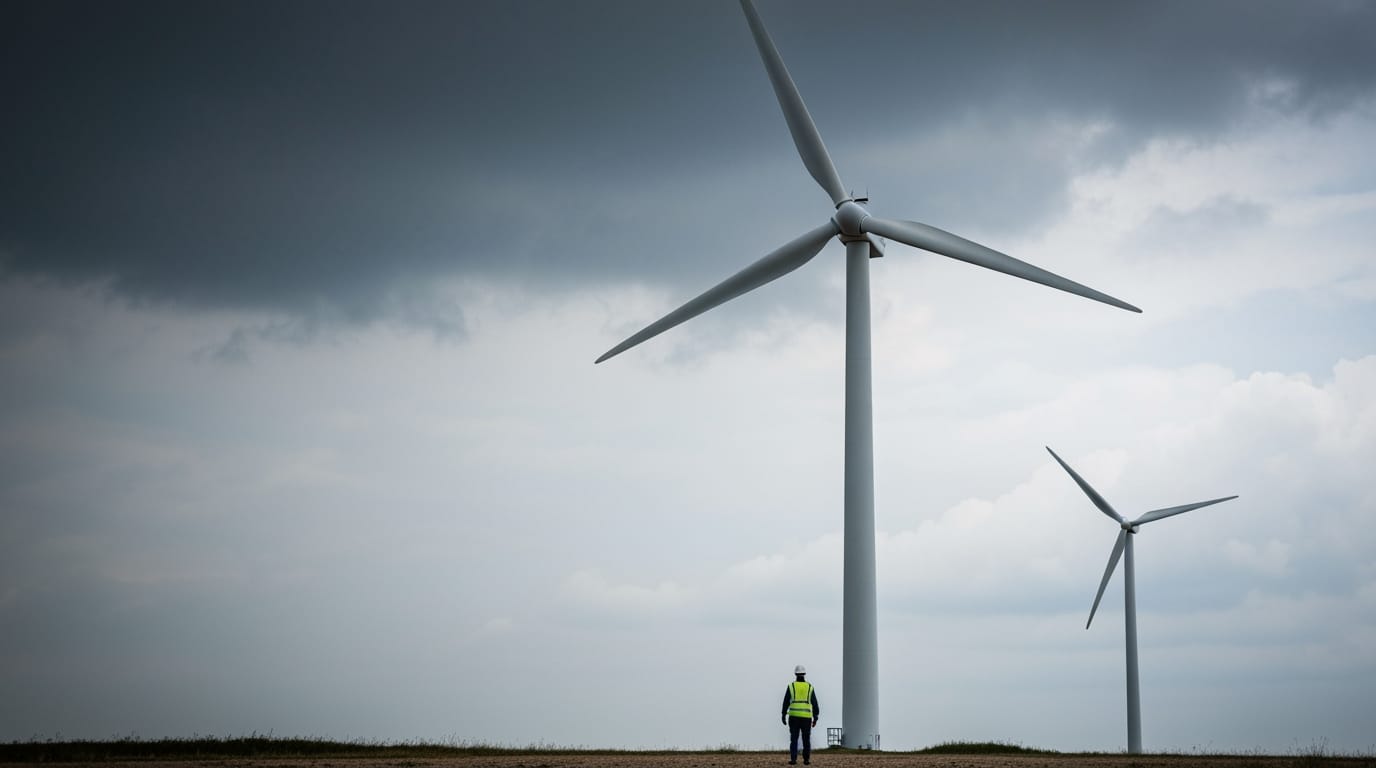
The tenure of the Trump administration presented a formidable challenge to the burgeoning wind energy sector in the United States, marked by a blend of presidential skepticism, regulatory shifts, and direct policy interventions. Despite a period characterized by vocal opposition and attempts to curtail its growth, the wind power industry demonstrated a complex mix of setbacks and continued, albeit slower, expansion, often buoyed by state-level commitments and legal victories.
A President's Disdain: Rhetoric and Personal Crusades
From the outset, the Trump administration signaled a departure from previous governmental support for renewable energy, particularly wind power. President Donald Trump frequently expressed personal disdain for wind turbines, often citing aesthetic concerns, their perceived inefficiency, and potential harm to birds. This animosity reportedly stemmed, in part, from his prior battles against offshore wind projects near his golf course in Scotland, an opposition that pre-dated his presidency. His public pronouncements, such as an offhand remark that "we will not allow a windmill to be built in the United States," created an atmosphere of uncertainty and hostility for developers and investors in the sector.
The President's rhetoric was not merely symbolic; it translated into a consistent political posture that often painted renewable energy, and wind in particular, as less reliable or desirable than traditional fossil fuels. This stance was a defining characteristic of his administration's broader energy policy, which prioritized domestic oil, gas, and coal production, often at the expense of cleaner alternatives.
Policy Shifts and Regulatory Obstacles
The administration's policies actively sought to impede wind power development through a variety of regulatory and legislative actions. On January 20, 2025, President Trump issued a memorandum that withdrew all Outer Continental Shelf areas from offshore wind leasing and instructed agencies to cease issuing new or renewed approvals, permits, leases, rights-of-way, and loans for both onshore and offshore wind projects. This executive action cast a long shadow over planned developments and ongoing projects.
Further complicating matters, the GOP tax bill introduced requirements for new wind projects to commence construction by July of the following year to qualify for crucial clean energy tax credits. This legislative change introduced a scramble for developers to meet deadlines, leading to a short-term rush of activity but threatening longer-term investment by altering the financial landscape for future projects. The administration also began to target individual wind projects, often citing unspecified concerns about improperly granted permits, and even attempting to halt construction on facilities already underway. In some instances, the government reportedly explored paying companies to abandon offshore wind development altogether, a novel and controversial tactic.
National security concerns, specifically claims that wind turbines could interfere with Defense Department radar systems, were also cited as a reason to pause projects, despite prior Pentagon reviews and approvals of these offshore wind sites. These various maneuvers collectively aimed to curb the expansion of wind energy, particularly in the federally regulated offshore domain.
The Economic Fallout and Industry Struggles
These political and regulatory headwinds had tangible economic consequences for the wind industry. Major offshore wind developers, many of them European companies integral to the U.S. market, faced significant financial impairments and project setbacks. Danish energy giant Ørsted, for example, which constructed the first wind turbines in U.S. federal waters, encountered substantial funding needs for its remaining U.S. projects, blaming "adverse developments" in the U.S. market, including political risk, red tape, and changes to tax credits. The company booked a more than $5 billion impairment from its scrapped Ocean Wind 1 and 2 projects off New Jersey's coastline and reported further impairments due to delays on other projects.
Other international players also felt the pinch. The U.K.'s Shell exited the Atlantic Shores wind project, absorbing a nearly $1 billion loss, while Norway's Equinor announced significant impairments from delays to its Empire Wind project, which President Trump had reportedly tried to cancel. These financial struggles led to the mothballing of several proposed projects, further underscoring the climate of uncertainty. Industry experts noted that what developers "really need is market certainty," and the Trump presidency introduced significant risk into the sector. While some financial problems, such as inflation, high interest rates, and supply chain issues, predated the Trump administration, its policies were seen as having "poured gasoline on the fire," intensifying the industry's challenges.
Resilience Amidst Resistance: Growth and Legal Battles
Despite the considerable pressure, the U.S. wind energy sector demonstrated a degree of resilience during the Trump years. Wind continued to be a significant and growing source of electricity, responsible for generating approximately 10% of all electricity in the U.S. by 2025, with a total capacity of over 159,500 megawatts. Much of this growth was driven by states in the country's interior, such as Texas, Oklahoma, Iowa, and Kansas, which continued to lead in wind power generation.
Several factors contributed to this persistence. State-level renewable energy mandates and a growing corporate demand for clean energy often bypassed federal disincentives. Furthermore, wind energy remained economically attractive, recognized as one of the cheapest and fastest sources of power to connect to the grid, particularly as demand grew from sectors like artificial intelligence and data centers.
Moreover, the administration's attempts to halt projects faced legal challenges. Developers filed lawsuits to restart their work, and courts frequently ruled against the Trump administration's efforts. For instance, federal judges cleared the way for construction to resume on offshore wind projects in New York and lifted stop-work orders for Revolution Wind off Rhode Island and Empire Wind, among others. These legal victories underscored the limits of executive power in unilaterally halting projects that had already secured permits and significant investment. The ongoing legal battles highlighted a developing "legal war with Washington," as developers sought to protect their investments and ensure the continuity of their projects.
Conclusion
The Trump administration's approach to wind power created a deeply challenging environment for an industry poised for significant expansion. Characterized by direct presidential antagonism, a raft of regulatory hurdles, and altered tax credit landscapes, the period saw major developers incur substantial losses and projects face considerable delays or cancellation. Yet, the story of wind power under Trump is also one of unexpected resilience. Driven by fundamental economic advantages, robust state-level policies, and a series of favorable court rulings, the industry continued its growth trajectory, albeit at a slower and more contentious pace. The "headwinds" faced by wind power during this era underscore the profound impact of political leadership on energy policy, while simultaneously revealing the underlying momentum and market forces that continue to propel renewable energy forward, even in the face of significant federal opposition.