Climate Crossroads: Extreme Doomsday Scenario Fades, But Unprecedented Warming Looms
WASHINGTON – In a significant recalibration of future climate projections, scientists are phasing out the most extreme "worst-case" global warming scenarios, acknowledging that a coal-heavy, unchecked emissions future is now largely implausible. However, this adjustment offers little room for complacency, as new analyses confirm the world is still on an alarming trajectory toward substantial warming with severe and unavoidable consequences. While humanity appears to have sidestepped the most catastrophic pathways once feared, the ambition to limit global temperature rise to 1.5 degrees Celsius (2.7 degrees Fahrenheit) above pre-industrial levels, a cornerstone of the 2015 Paris Agreement, is rapidly slipping out of reach, demanding continued, urgent action.
The Shifting Narrative: Retreat from Extreme Predictions
For years, a benchmark known as Representative Concentration Pathway 8.5 (RCP8.5) stood as the scientific community's highest-emissions, highest-warming scenario, often interpreted as a "business-as-usual" future where fossil fuel consumption continued unabated. This scenario projected a perilous 4.5 degrees Celsius (8.1 degrees Fahrenheit) of warming by the year 2100. However, a growing consensus among climate modelers, including researchers contributing to the Intergovernmental Panel on Climate Change (IPCC), now deems this outcome "implausible".
The primary reasons for this shift are twofold: a dramatic decrease in the cost of renewable energy technologies and the global emergence of climate policies. Over the past 15 years, the expense of clean energy sources like solar, wind, and geothermal has plummeted, with solar photovoltaic costs falling by approximately 90 percent between 2010 and 2023. This economic transformation, coupled with international agreements and national commitments aimed at decarbonization, has fundamentally altered the global energy landscape. The assumption of an ever-expanding, coal-dominated future, which underpinned RCP8.5, no longer aligns with current economic and policy trends.
Scientists emphasize that RCP8.5 was always intended as a high-end, low-probability scenario rather than a likely outcome, even in the absence of climate policies. Its widespread use in academic literature and media, often as a default "worst-case" or "business-as-usual" pathway, inadvertently created a misleading impression of the world's probable climate trajectory. Detlef Van Vuuren, a climate scientist at Utrecht University and lead author of recent studies on future scenarios, noted a "narrowing of the futures" — while the absolute worst-case is less likely, the most optimistic scenarios are also becoming harder to achieve.
The Enduring Threat of Significant Warming
Despite the retirement of the most extreme warming prediction, the world is far from securing a climate-safe future. The new proposed worst-case scenario projects an end-of-century warming of about 3.5 degrees Celsius (6.3 degrees Fahrenheit), a full degree less than its predecessor but still a level of warming that would unleash profound and dangerous impacts. Concurrently, the most optimistic projections are also becoming more challenging. Scientists now indicate that even in a best-case future, the planet will likely overshoot the Paris Agreement's aspirational 1.5 degrees Celsius limit, potentially peaking at around 1.7 degrees Celsius (3.1 degrees Fahrenheit) for decades before any potential return below the threshold, which would necessitate massive carbon removal technologies.
The current policies implemented globally are projected to lead to approximately 2.6 degrees Celsius of warming above pre-industrial levels. Even if all national commitments (Nationally Determined Contributions or NDCs) under the Paris Agreement are fully met, the world is still on track for a temperature rise of 2.3 to 2.5 degrees Celsius by the century's end. This trajectory starkly contrasts with the 1.5 degrees Celsius goal, which is increasingly viewed by experts as unattainable based on current global efforts. The planet is currently warming at an alarming pace of a tenth of a degree Celsius (nearly 0.2 degrees Fahrenheit) every five years.
Inevitable Impacts and Global Challenges
This sustained warming, even if less extreme than previously modeled worst-case scenarios, ensures a future fraught with escalating climate impacts. The effects already observed globally—such as rising temperatures, changing rainfall patterns, and rising sea levels—will continue to intensify. Scientists predict a range of long-term consequences that will profoundly affect ecosystems, economies, and human societies.
Key impacts include:
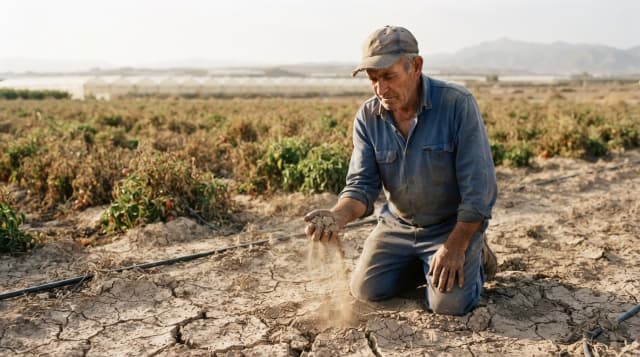
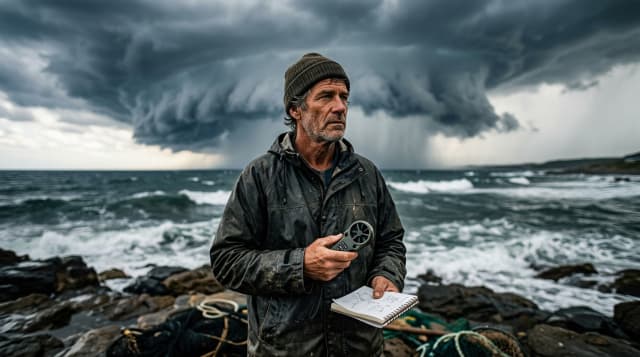
- Extreme Weather Events: Increased frequency, intensity, and duration of heat waves, more powerful storms due to warmer ocean temperatures and increased atmospheric moisture, and heavier precipitation events in some regions, leading to a higher risk of flooding. Conversely, other areas will face increased droughts and decreased water resources.
- Sea Level Rise: Global sea levels are projected to continue rising, threatening coastal communities, infrastructure, and freshwater supplies. Some low-lying areas could be at or below sea level by 2100, necessitating significant adaptation or managed retreat.
- Ecosystem Disruption: Decreased sea ice, thawing permafrost, changes in plant and animal ranges, and increased forest mortality will lead to significant biodiversity loss and ecosystem collapse.
- Human Health and Security: Heat is already a leading cause of weather-related mortality, and its increase will exacerbate health risks. Changes in water availability, food insecurity, and the expansion of disease-carrying pests will further challenge human well-being and stability.
These projections underscore that the climate crisis is not a distant threat but a present reality, with some changes, such as droughts, wildfires, and extreme rainfall, occurring faster than previously assessed.
A Call for Renewed Urgency
The re-evaluation of climate scenarios should not be misconstrued as an invalidation of climate science or a reason for complacency. As climate scientist Detlef Van Vuuren stated, "The risks of climate change have not disappeared. The good news is that we did not follow the most dramatic emission pathway. However, we are still heading towards a future with significant climate impacts; a future we should avoid". This scientific update, spurred by the success of cleaner energy adoption and emerging climate policies, is indeed a "success story" in slowing the most severe warming.
However, the world is still significantly off track from the Paris Agreement's goals. Limiting global warming to 1.5 degrees Celsius would require global greenhouse gas emissions to peak before 2025 and be reduced by 43% by 2030, alongside a one-third reduction in methane emissions. Such targets demand transformational changes in all sectors, particularly in the energy transition.
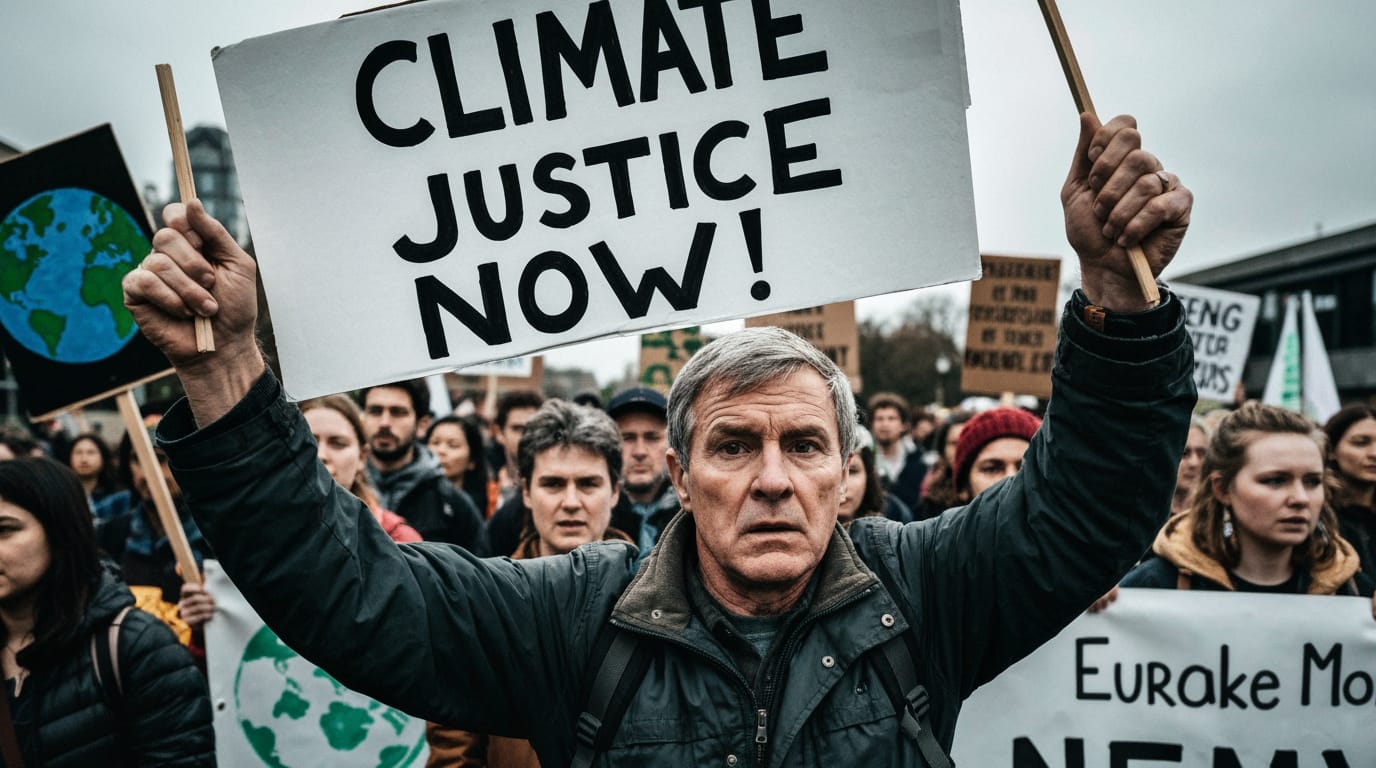
The narrative adjustment serves as a critical reminder: while humanity has averted the absolute worst of potential climate futures through evolving technology and policy, the challenges ahead remain immense. Continued and accelerated efforts in decarbonization, investment in renewable energy, and robust adaptation strategies are not merely aspirational but imperative to mitigate the profound impacts of a warming planet and secure a more resilient future.