EU Abandons Landmark Pesticide Reduction Law, Casting Shadow Over Green Deal Ambitions
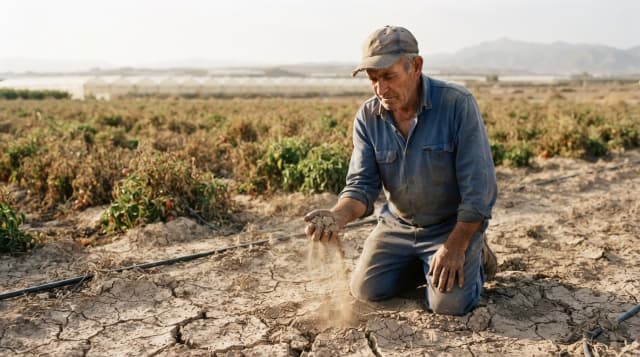
Brussels, Belgium – The European Union has significantly backtracked on its ambitious environmental agenda, recently withdrawing a pivotal legislative proposal aimed at halving pesticide use across the bloc by 2030. This reversal, a direct response to mounting pressure from agricultural lobbies and widespread farmer protests, leaves the EU's commitment to sustainable farming and biodiversity protection in a precarious position, threatening long-term environmental and public health goals.
Unfulfilled Promises: The EU's Retreat on Pesticide Reduction
The journey toward reduced pesticide reliance in the EU began with considerable fanfare, particularly under the umbrella of the European Green Deal. In May 2020, the European Commission unveiled its "Farm to Fork" and "Biodiversity" strategies, setting a clear objective: to slash the use and risk of chemical pesticides by 50% and the use of more hazardous pesticides by 50% by 2030, using a 2015-2017 baseline. These targets were intended to foster a healthier, more environmentally friendly food system and reverse the alarming decline in biodiversity.
However, the path to implementation proved fraught with difficulties. An earlier legislative framework, the Sustainable Use of Pesticides Directive (SUD) from 2009, had already demonstrated limited success due to weak and uneven implementation by member states. Recognizing these shortcomings, the Commission proposed a new, more stringent Sustainable Use of Pesticides Regulation (SUR) in June 2022. This regulation aimed to transform the non-legally binding targets into enforceable law, requiring member states to set their own reduction strategies within defined parameters. It also proposed a ban on all pesticide use in sensitive areas, such as public parks and playgrounds.
Despite these efforts, the SUR proposal faced strong opposition. In an unexpected move in February 2024, European Commission President Ursula von der Leyen announced the withdrawal of the draft regulation, citing a lack of agreement within the European Parliament and Council, and widespread farmer protests across Europe. This decision effectively dismantled the most concrete legislative attempt to enforce the pesticide reduction goals, leaving environmental advocates dismayed and raising serious questions about the future direction of EU agricultural policy.
The Environmental and Health Imperative: Why Reduction Matters
The scientific community and environmental organizations have long underscored the critical need for pesticide reduction, pointing to a cascade of detrimental effects on ecosystems and human well-being. Pesticides, designed to be toxic, indiscriminately harm a vast array of non-target organisms, disrupting the delicate balance of natural systems.
One of the most profound impacts is on biodiversity. Europe has witnessed a severe decline in pollinator populations, with 10% of bee and butterfly species on the verge of extinction and 33% in decline. Pollinators are vital for up to 84% of crops in the EU, and their loss directly threatens food production and quality. Beyond pollinators, pesticides are a major driver of decline in farmland bird populations (a 60% drop over four decades) and insect populations (at least 70% decline), including beneficial pest predators. Amphibians and bats are also significantly affected, with pesticides playing a major role in the decline of 25% of European amphibian populations.
Soil health, the foundation of agriculture, is also severely compromised. A recent Europe-wide study revealed that 70% of European soils are contaminated with pesticides, which suppress beneficial soil organisms like mycorrhizal fungi and nematodes. These organisms are essential for healthy ecosystem functioning, nutrient cycling, and water retention. The long-term persistence of some pesticides in the environment means their impact continues for years, potentially necessitating additional fertilization to maintain yields.
Moreover, public health concerns persist. Pesticides are linked to important health issues, including chronic diseases such as cancers, cardiovascular problems, and diabetes. Reports indicate an increase in the frequency and intensity of residues of the most toxic pesticides on fruits and vegetables sold in the EU between 2011 and 2019. Scientists also warn about the "cocktail effect," where pesticides interact to become more toxic, a phenomenon not adequately covered by current risk assessments.
A Farmer's Dilemma: Economic Pressures and Food Security Concerns
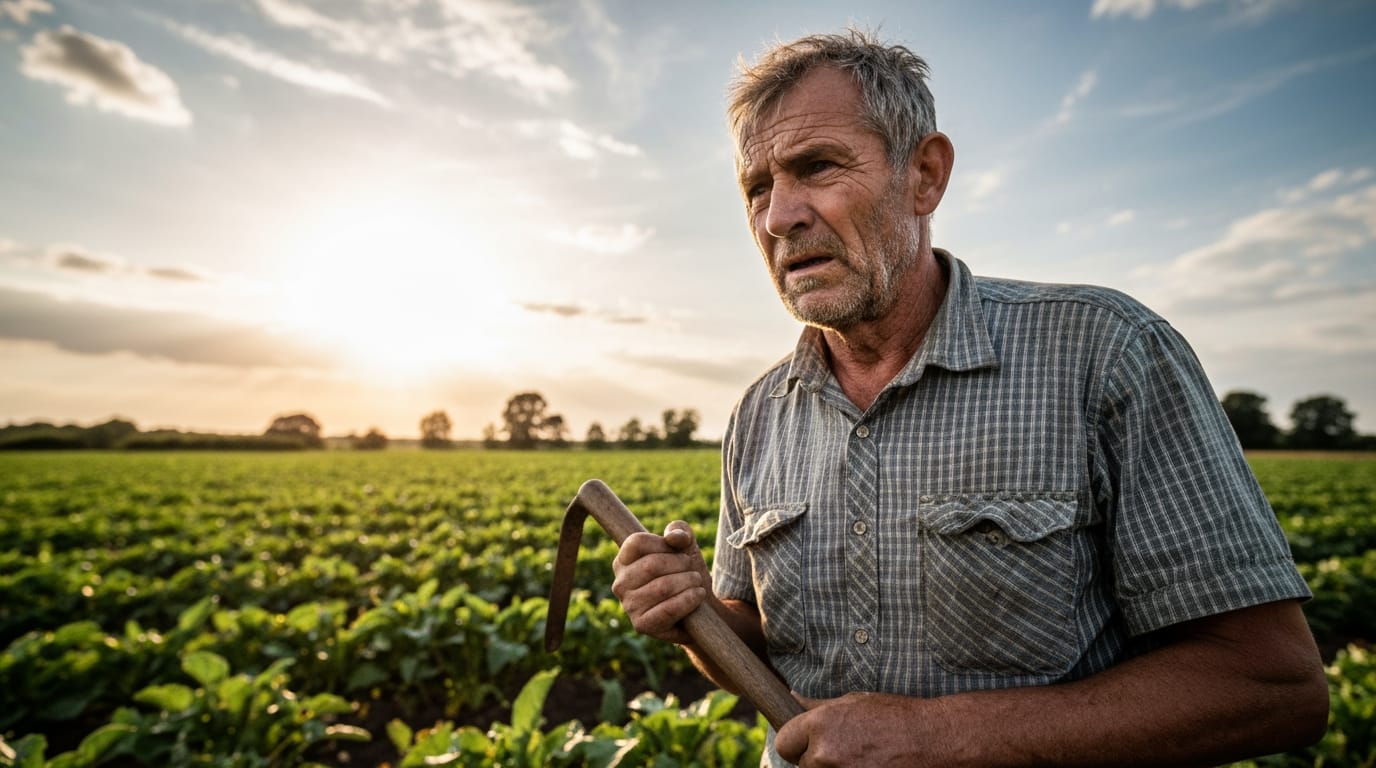
The decision to withdraw the SUR proposal was heavily influenced by the concerns of farmers and agricultural industry groups. Farmers across Europe have voiced strong opposition to stricter environmental regulations, arguing that such measures impose significant economic burdens, reduce crop yields, and threaten food security, especially in the face of geopolitical instability.
Protesters cited escalating operational costs, low crop prices, and intense global competition as reasons why additional restrictions on pesticide use were untenable. The war in Ukraine, which raised fears about food supply chains and inflationary pressures, further amplified arguments that stringent environmental policies could compromise Europe's capacity for food production. Lobby groups like CropLife Europe argued that the 50% reduction target was unrealistic and would leave farmers without the necessary tools to combat pests, potentially leading to significant yield losses.
While the EU's Common Agricultural Policy (CAP) offers some support for sustainable practices, the perceived trade-offs between environmental protection and economic viability remain a central point of contention for many farmers. The debate often highlights a fundamental tension between short-term economic survival for individual farms and the long-term sustainability of the broader agricultural system.
Loopholes and Lukewarm Progress: The Data Deficit and Trade Discrepancies
Adding to the complexity of the EU's pesticide challenge is the inconsistent and often incomplete nature of data on pesticide use. While EU regulations require farmers to record pesticide applications, aggregated data provided by Eurostat primarily focuses on sales, not actual usage, and even these figures are often partial, with some member states failing to provide comprehensive information. This lack of granular, real-time data makes it difficult to accurately assess progress, identify problem areas, and develop evidence-based policies.
Furthermore, the EU faces criticism for a perceived "double standard" in its pesticide policy. While some hazardous pesticides are banned for use within the EU to protect citizens and ecosystems, the bloc continues to allow their export to third countries. Concurrently, food imports treated with these very same banned substances are permitted into the EU. This practice not only raises ethical concerns but also creates unfair competition for European farmers who adhere to stricter domestic regulations. In 2022, 69 banned pesticides were found in food sold in the EU, primarily in tea, coffee, and spices. Environmental and human rights groups have called for an end to these "toxic loopholes" by lowering residue limits for banned pesticides in imported food and halting the export of hazardous pesticides.
Charting an Uncertain Future for European Agriculture
The withdrawal of the Sustainable Use of Pesticides Regulation marks a significant setback for the European Union's environmental ambitions and leaves a void in its legislative framework for pesticide reduction. The initial goals of the Farm to Fork and Biodiversity strategies, while still theoretically in place, lack the binding legal teeth that the SUR proposal would have provided.
The situation underscores a deep-seated tension between the urgent need for environmental protection and the immediate economic pressures faced by the agricultural sector. While some progress has been cited, such as a 12% decrease in the use and risk of chemical pesticides since 2021 by CropLife Europe, other reports indicate increases in the most hazardous pesticides and an overall stagnation in sales between 2011 and 2020.
Civil society organizations, environmental groups, and a segment of farmers continue to advocate for a renewed commitment to phasing out toxic pesticides, emphasizing the long-term benefits for human health, biodiversity, and the resilience of food systems. They call for policies that support a transition towards agroecological farming methods, which have been shown to preserve crop productivity and farm profitability while benefiting nature.
As the EU navigates this complex landscape, the challenge remains to find a coherent and unified approach that balances agricultural needs with sustainability objectives. Without a clear legislative path and robust support for alternative practices, the vision of a truly sustainable European agricultural system, free from excessive reliance on harmful chemicals, appears increasingly distant.