Bangladesh at a Crossroads: Islamist Parties Surge Ahead of Pivotal Elections
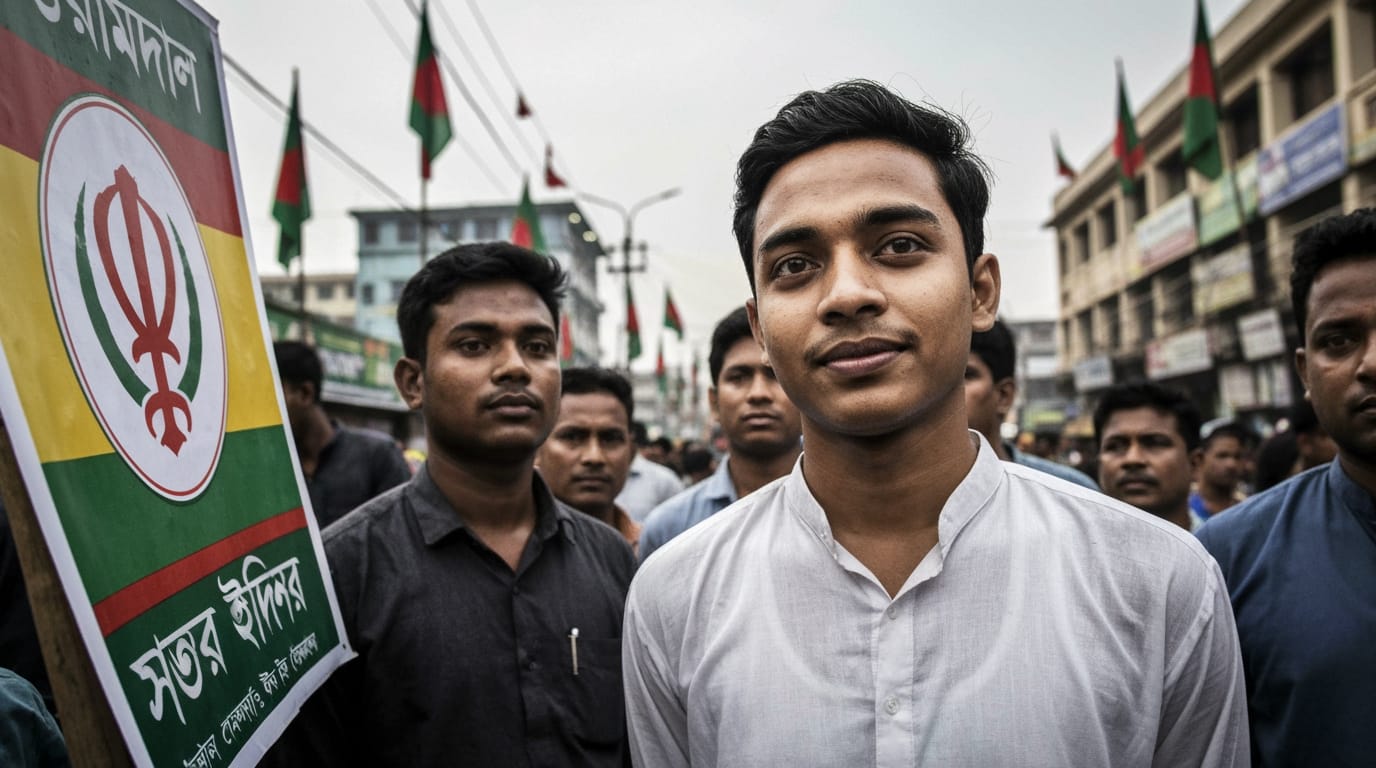
Dhaka, Bangladesh – As Bangladesh prepares for its national elections on February 12, the nation finds itself at a critical juncture, grappling with a significant resurgence of Islamist political forces. The political landscape, reshaped by the July 2024 uprising that unseated former Prime Minister Sheikh Hasina, has created a vacuum that Islamist parties, long suppressed, are now rapidly filling, raising profound questions about the country's secular identity and future trajectory.
The upcoming polls are poised to be a defining moment for this Muslim-majority nation of 175 million people, with the electoral contest now primarily framed between the Bangladesh Nationalist Party (BNP) and a revitalized Jamaat-e-Islami (JeI). This shift has generated considerable apprehension among secularists, women's rights advocates, and minority communities, who fear the potential erosion of hard-won freedoms and the institutionalization of conservative religious governance.
The Shifting Sands of Power: Islamist Resurgence
The abrupt departure of Sheikh Hasina and the subsequent ban on her Awami League government in August 2024 left a power vacuum that became fertile ground for Islamist groups. Prominent among these is Bangladesh Jamaat-e-Islami, the nation's largest Islamist party, which was previously banned but has seen its registration lifted by the interim government.
Historically vilified for its stance during the 1971 War of Independence, Jamaat has embarked on a strategic rebranding effort. The party now presents itself as a disciplined, governance-focused alternative, emphasizing anti-corruption, social welfare, and adopting a seemingly more inclusive public image. This includes unprecedented steps such as nominating a Hindu candidate and publicly assuring women of equal rights, though it has not fielded any female parliamentary candidates. Analysts suggest that Jamaat's renewed focus is on political positioning, aiming to present itself as a credible alternative capable of steering the nation.
Beyond Jamaat, other influential Islamist entities like Hefazat-e-Islam Bangladesh (HIB), a hardline organization of Qawmi madrassa teachers and students, are actively advocating for the implementation of Sharia law, including the death penalty for blasphemy. Hizb ut-Tahrir Bangladesh (HTB), banned since 2009, is also reportedly regaining influence, organizing rallies and openly calling for an Islamic caliphate, demonstrating a bold defiance of state authority. This broad re-emergence signals a noticeable increase in the public display of symbols linked to Islamist movements and a potential ideological shift towards the right.
Factors Fueling the Islamist Rise
Several interconnected factors have contributed to the ascendance of Islamist politics in Bangladesh. The political instability following the July 2024 uprising created an undeniable opening. The interim government, led by Nobel laureate Muhammad Yunus, has been criticized for its perceived accommodation and even promotion of Islamist parties, including lifting bans on Jamaat-e-Islami and its affiliates. Some observers interpret this as an attempt to gain broader legitimacy, though it carries risks for the country's social fabric.
Disillusionment with traditional mainstream parties also plays a crucial role. Both the Awami League and the BNP have faced allegations of corruption and governance issues, leading to public fatigue. Economic grievances, including a faltering economy and high unemployment rates, further fuel public discontent, which Islamist groups are adept at capitalizing on through their welfare outreach and anti-corruption messaging.
Furthermore, there is a broader societal shift towards conservative values. Even under the Awami League, there was a gradual, strategic incorporation of Islamic elements into state policies. This has created an environment where Islamist narratives gain traction, sometimes presented as a "counter-hegemonic response to decades of perceived ideological exclusion" by secular forces. The growth of madrassa education and social changes have also contributed to a more religiously conservative environment.
Profound Implications for Bangladesh's Future
The potential for increased Islamist influence has far-reaching implications for Bangladesh, a nation originally founded on secular Bengali nationalism. Critics and concerned citizens fear a direct challenge to the nation's secular foundations, potentially leading to increased formal and informal Islamic governance.
A primary concern is the impact on women and minority communities. Reports highlight that Islamist political gains could disproportionately affect women's rights, with some leaders already suggesting restrictions on women's activities and questioning their roles in the workforce. For religious minorities, including Hindus and Christians, the situation is even more precarious. There have been documented attacks on temples, churches, and minority properties following the 2024 uprising, fueling deep fear and apprehension ahead of the elections. Minority leaders have expressed concerns about hate speech and violence, and some are hesitant to participate in the voting process due to safety concerns.
The regional implications are also significant. Neighboring countries, especially India, are closely watching the developments, concerned about the potential for an emboldened Islamist agenda to impact regional stability. The normalization of Islamist actors through the ballot box could intensify debates over identity politics and social control across South Asia.
The Road Ahead: A Contested Election
The February 12 election is expected to be fiercely contested, with recent opinion polls indicating a tight race between Jamaat-e-Islami and the BNP. Jamaat's student wing, Islami Chhatra Shibir, has already achieved significant victories in university union elections, signaling a potential broader electoral momentum. The interim government has promised a fair vote, a major demand given past allegations of rigged elections under Hasina.
Despite calls for unity among Islamist factions, historical doctrinal rifts persist, making a durable, unified alliance challenging. Nevertheless, issue-based coordination has been observed, with multiple Islamist parties rallying for shared demands, such as elections under a national charter and proportional representation.
The coming elections will undoubtedly test the resilience of Bangladesh's democratic institutions and its foundational principles. The outcome will not only shape the country's domestic policies but will also resonate across the region, underscoring the ongoing struggle between secular ideals and rising religious conservatism in a rapidly changing political landscape.


