Slovak LGBTQ+ Community Endures Setbacks, Clings to Hope Amidst Deepening Legal Divide
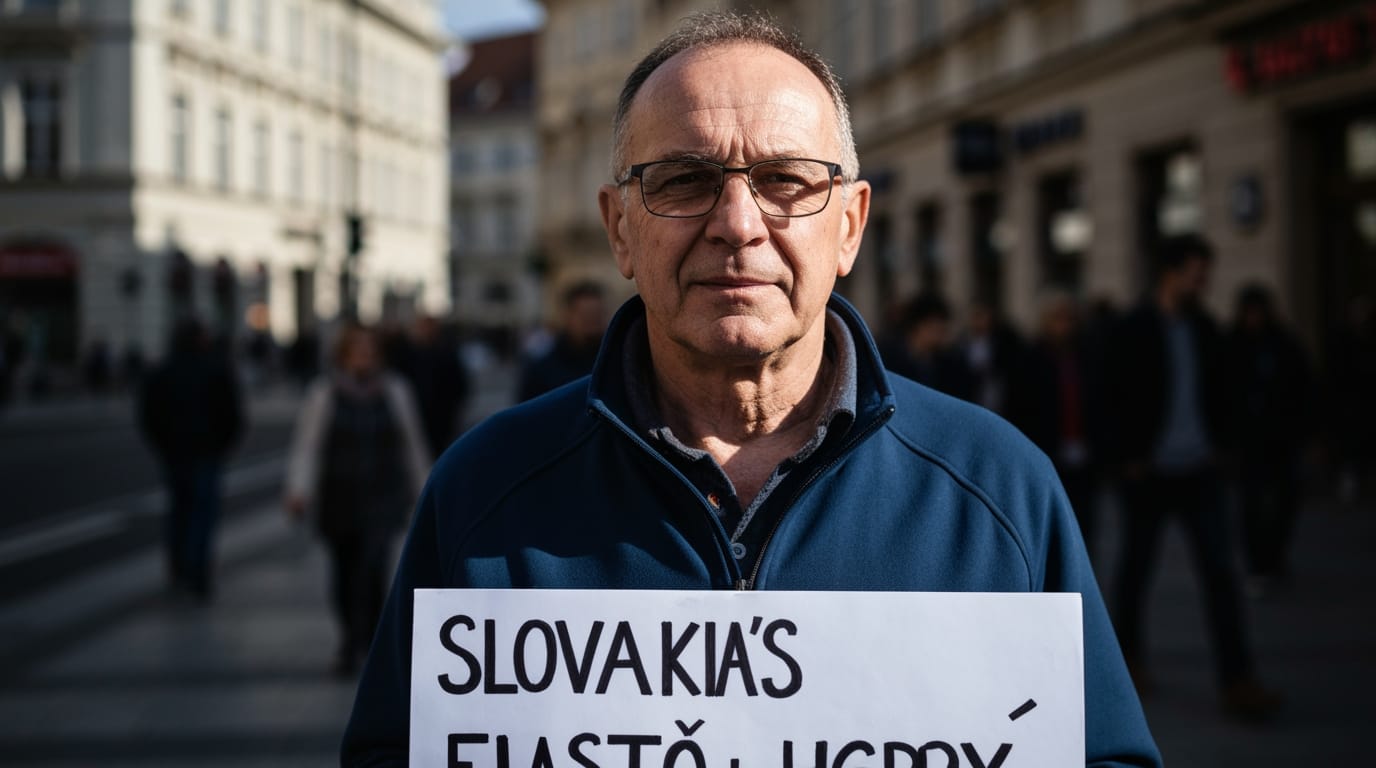
Bratislava, Slovakia – The LGBTQ+ community in Slovakia finds itself at a critical juncture, navigating a landscape increasingly defined by legislative setbacks and persistent societal conservatism, even as a determined cadre of activists and allies continues to advocate for fundamental rights and protections. While same-sex sexual activity has been legal since 1962, the nation remains one of the least supportive European Union members for LGBTQ+ individuals, lacking legal recognition for same-sex marriage or civil unions, and witnessing recent constitutional amendments that further marginalize the community. This precarious situation is compounded by a rise in anti-LGBTQ+ rhetoric and incidents of violence, underscoring the urgent need for change.
A Deepening Legal Divide
The legal framework in Slovakia has, in recent years, moved to further entrench the non-recognition of LGBTQ+ rights. In 2014, a constitutional amendment explicitly defined marriage as a "unique union between a man and a woman," effectively blocking any possibility of legalizing same-sex marriage. This was followed by a series of further restrictive measures in late 2025, when the Slovak parliament passed constitutional amendments that recognized only two sexes, limited adoption to married heterosexual couples, and effectively banned legal gender recognition. These changes have been described by LGBTQ+ campaigners as a "dark day" for the country, rolling back human rights and signaling a move similar to policies seen in Russia and Hungary.
Transgender individuals, in particular, face increasingly difficult circumstances. While legal gender change was previously possible under unclear requirements, amendments in 2023 made surgery a mandatory prerequisite, and the 2025 constitutional changes are seen as directly attacking the lives of transgender and intersex people by banning legal gender recognition. These actions contradict a brief period in 2023 when the Ministry of Health had repealed the surgery requirement, only to reinstate it later the same year. Consequently, many LGBTQ+ and trans individuals are reportedly considering emigration due to the worsening situation.
Beyond marriage, same-sex couples in Slovakia are afforded limited legal rights. Although a 2018 change recognized a "close person" definition in civil and penal law, offering some inheritance rights, comprehensive protections regarding healthcare, social security, or shared property remain absent. Repeated legislative attempts to introduce civil partnership bills since 1997, including proposals in 2022 and 2023, have consistently been rejected by the Slovak parliament.
Echoes of Conservatism: Political and Religious Influences
The conservative stance on LGBTQ+ rights in Slovakia is deeply rooted in the nation's strong Catholic heritage and often exploited by political forces. Slovakia is a predominantly Catholic country where the Church wields considerable influence over public opinion and political discourse. This influence extends to various political parties, including those not explicitly Christian, which often invoke "Christian culture" and "traditional family values" in their rhetoric, particularly when addressing LGBTQ+ issues.
Populist politicians have effectively leveraged this conservative worldview to garner support, often resorting to anti-LGBTQ+ and anti-gender narratives, especially during election campaigns. This political exploitation has contributed to a climate of intolerance, as evidenced by a 2023 GLOBSEC study which found that 63% of Slovaks were against expanding rights for the LGBTQI+ community. Such rhetoric, critics argue, directly contributes to increased attacks and violence against queer individuals. The tragic shooting at the Tepláren gay bar in Bratislava in October 2022, which resulted in the deaths of two people and the injury of another, stands as a grim reminder of the real-world consequences of this hostility.
Public opinion on LGBTQ+ rights remains highly polarized and inconsistent. While a 2015 Eurobarometer showed only 24% support for same-sex marriage, a 2015 AKO survey indicated that over 50.4% of Slovaks would support same-sex registered partnerships. However, a poll conducted after the 2022 Bratislava attack showed a decline to 40% support for civil unions, indicating the fragility of public acceptance in the face of intense public debate and political manipulation.
Unwavering Voices for Change
Despite the formidable challenges, Slovakia's LGBTQ+ community and its allies continue their relentless advocacy for equality. Organizations like Iniciatíva Inakosť (Otherness Initiative) play a crucial role, providing psychological, emotional, and legal support, organizing public awareness campaigns, and orchestrating events like the Slovak Pride Parade. Following the Tepláren attack, Iniciatíva Inakosť successfully raised over 80,000 euros to establish a community center for LGBTQ+ individuals, slated to open in 2024, demonstrating the community's resilience and commitment to creating safe spaces. Other key organizations, such as Saplinq, o.z., which runs the PRIZMA Košice community and counseling center, also work tirelessly to advocate for fair policies and provide support, especially in eastern Slovakia.
Progressive political voices have also emerged in support of LGBTQ+ rights. President Zuzana Čaputová, for instance, has publicly expressed support for civil unions and adoption by same-sex couples, advocating for a child to live "better with two same-sex lovers" than in an orphanage. The Progressive Slovakia (PS) party has made LGBTQ+ rights a core part of its agenda, campaigning for marriage equality and legal gender recognition based on self-determination.
Furthermore, international bodies have weighed in on Slovakia's human rights record. The European Parliament appealed to the Slovak government to improve the situation after the 2022 attack, and the European Court of Justice has issued rulings affirming that same-sex spouses of EU citizens should be granted residency rights in Slovakia, and that all member states must recognize same-sex marriages validly performed within the EU.
Resilience and the Path Forward
The recent legislative changes in Slovakia mark a significant regression in LGBTQ+ rights, making the path toward equality steeper and more arduous. The government's actions, particularly the 2025 constitutional amendments, are seen as undermining fundamental human rights and aligning Slovakia more closely with illiberal democracies in the region. Activists warn that these measures create an increasingly hostile environment for LGBTQ+ individuals and complicate any future progressive legal reforms.
Despite these severe setbacks and the palpable fear among many, the spirit of advocacy and the hope for a more inclusive future persist. Organizations and supportive political parties continue their efforts to challenge discriminatory laws, raise awareness, and provide vital support to a community under pressure. The ongoing struggle in Slovakia highlights a persistent tension between entrenched conservative values and the universal call for human rights and equality. While the road ahead is undoubtedly challenging, the unwavering determination of Slovakia's LGBTQ+ community and its allies underscores a resilient hope that, eventually, love and equality will prevail.


