Bangladesh Withdraws from T20 World Cup Matches in India Amid Spiraling Tensions
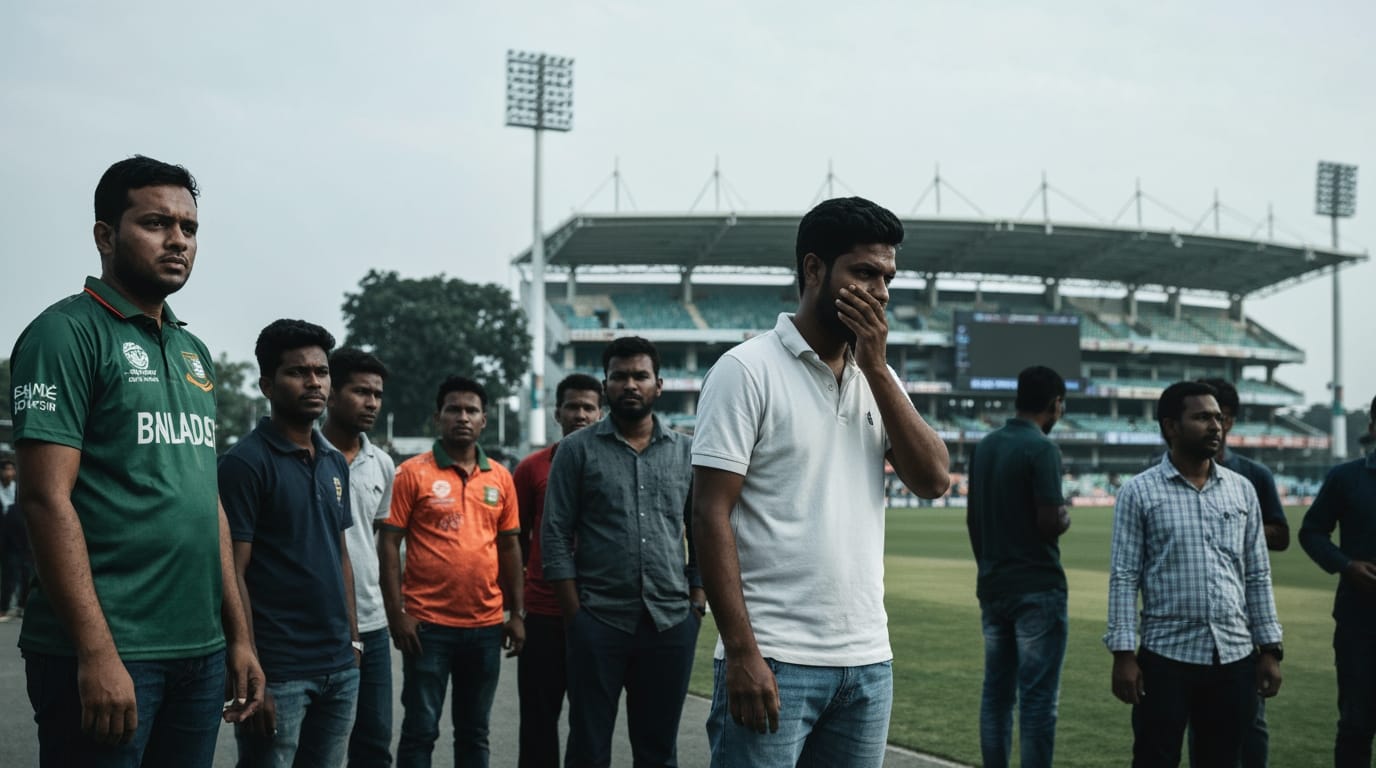
Dhaka, Bangladesh – January 5, 2026 – In an unprecedented move shaking the foundations of international cricket, Bangladesh has officially declared its national team will not travel to India for the upcoming 2026 T20 World Cup matches. Citing grave security concerns for its players and officials, and following advisories from the Bangladesh Government, the Bangladesh Cricket Board (BCB) has formally requested the International Cricket Council (ICC) to relocate all of its fixtures to co-host Sri Lanka. The decision, announced just a month before the tournament is set to begin on February 7, casts a pall over the global event and highlights a severe deterioration in diplomatic and sporting relations between the two South Asian cricketing powerhouses.
The dramatic announcement stems from a confluence of factors, primarily ignited by the controversial release of star Bangladeshi pacer Mustafizur Rahman from his Indian Premier League (IPL) contract at the behest of the Board of Control for Cricket in India (BCCI). This incident, coupled with escalating political tensions and allegations of "communal policy," has led to a complete breakdown of trust, prompting Bangladesh to prioritize the safety and well-being of its contingent above all else.
Security Concerns Take Center Stage
The Bangladesh Cricket Board's decision was unequivocal, articulated in an email to the ICC stating, "Due to security concerns, it is not possible to send the team to India for the T20 World Cup." This assertion was further reinforced by a BCB statement that highlighted "growing concerns regarding the safety and security of the Bangladesh contingent in India and considering the advice from the Bangladesh Government." The board's directors, following an emergency meeting, resolved that the Bangladesh national team would not participate in matches on Indian soil under the prevailing conditions.
Bangladesh's sports adviser, Asif Nazrul, articulated the sentiment that if individual players could not be assured safety, the entire national team's presence would be untenable. "Where a Bangladeshi cricketer can't play in India despite being contracted, the entire Bangladeshi cricket team can't feel safe going to play in the World Cup," Nazrul stated, underscoring the deep-seated apprehension within the Bangladeshi cricketing fraternity and government circles. This sentiment reflects a critical lack of confidence in India's ability to provide a secure environment, particularly for Bangladeshi nationals.
The Mustafizur Rahman Catalyst
At the heart of the current crisis lies the abrupt termination of Mustafizur Rahman's IPL contract with the Kolkata Knight Riders (KKR) in late December 2025. Rahman, who was signed by KKR for INR 9.2 crore at the IPL 2026 mini-auction, was released by the franchise following a direct instruction from the BCCI. While the BCCI's reasoning for this instruction remained somewhat vague, citing "recent developments" and geo-political considerations, it sparked immediate outrage and widespread condemnation in Bangladesh.
Bangladeshi officials and the public viewed the BCCI's intervention as a deliberate slight and a clear indication of underlying biases. Asif Nazrul openly criticized the move, linking it to what he termed the "violent communal policy" of the Indian cricket board. The incident rapidly escalated beyond a mere contractual dispute, transforming into a symbol of perceived disrespect and a tangible threat to Bangladeshi players' well-being in India. The BCB, ordered by its sports ministry to act, convened an emergency meeting to address the fallout, ultimately leading to the drastic decision to withdraw from playing matches in India.
Deteriorating Diplomatic Landscape
The cricketing fallout is intrinsically linked to a broader climate of strained political and diplomatic relations between India and Bangladesh. Recent months have witnessed a noticeable downturn in bilateral ties, marked by several contentious issues. Reports indicate that political tensions between the two countries have soured, particularly following a "mass uprising in Dhaka in 2024" which led to the ousting of then-Prime Minister Sheikh Hasina, who was considered a close ally of New Delhi. India's foreign ministry had also previously condemned what it described as "unremitting hostility against minorities" in Muslim-majority Bangladesh.
These geopolitical complexities have seeped into the sporting arena, with Bangladeshi government advisor Asif Nazrul openly accusing the Indian cricket board of "radical communal policy." The perceived lack of security for a Bangladeshi player in the IPL is now being interpreted through the lens of these broader political anxieties, cementing the BCB's resolve to seek alternative venues for its World Cup campaign. The government's advice played a crucial role in the BCB's final decision, underscoring the political weight behind the cricketing board's stance.
Logistical Quandaries for the ICC
Bangladesh's decision to boycott its T20 World Cup matches in India presents a significant logistical headache for the International Cricket Council. The tournament is scheduled to commence in just over a month, on February 7, 2026, and relocating matches at such short notice is a monumental task. The BCCI has already expressed strong reservations, dismissing the idea of shifting matches as a "logistical nightmare" and impractical. A BCCI source reportedly stated that rescheduling would be a considerable challenge, impacting "opposition teams. Their air tickets, hotels are booked."
The 2026 T20 World Cup is co-hosted by India and Sri Lanka, with Bangladesh originally slated to play its group stage matches in Kolkata and Mumbai. Bangladesh has formally requested that all its matches be moved to Sri Lanka, leveraging the island nation's co-hosting status. This request is not without precedent, as the ICC had previously arranged for Pakistan's matches in the same tournament to be played exclusively in Sri Lanka due to ongoing diplomatic tensions with India. This prior arrangement with Pakistan might bolster Bangladesh's case, although implementing a similar solution for another team so close to the tournament start date poses unique challenges for the ICC.
An Unfolding Crisis
The current standoff signals an unprecedented crisis in the relationship between two prominent cricketing nations and a significant challenge for the ICC. While the BCB remains firm in its stance, the BCCI faces pressure to address the underlying issues, and the ICC is left to navigate a complex web of sporting, political, and logistical considerations. With the T20 World Cup fast approaching, the cricketing world watches keenly to see how this diplomatic delivery will play out and what long-term implications it will have on regional and international cricket. The urgent need for a resolution is paramount to preserve the spirit of the game and ensure the smooth conduct of one of cricket's premier tournaments.