Beethovenhalle Rises Anew: Bonn's Cultural Icon Returns After Decade-Long Transformation
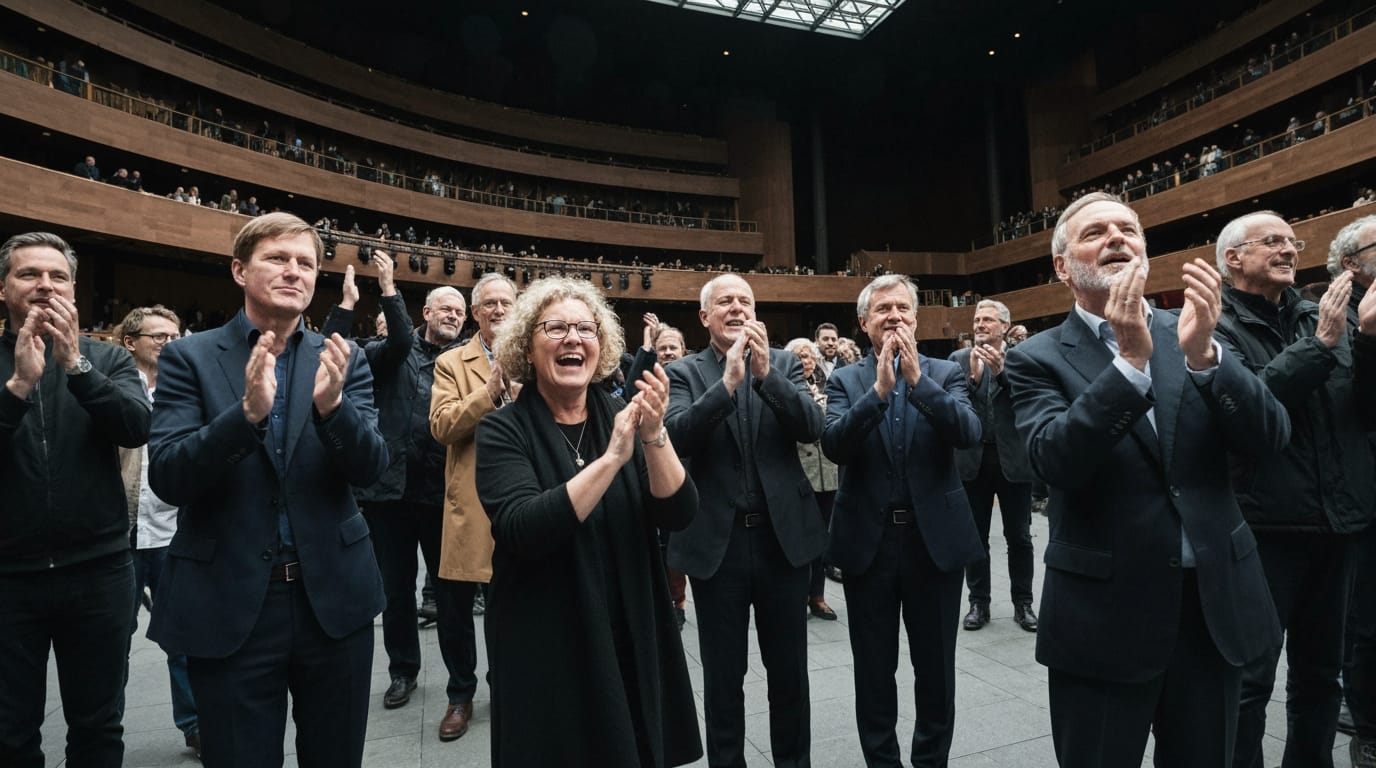
Bonn, Germany – After nearly a decade of extensive renovation, the venerable Beethovenhalle, a cornerstone of Bonn's cultural identity, is poised to reopen its doors on December 16, 2025. This highly anticipated moment marks the triumphant return of a landmark concert hall, promising to reinvigorate the city's artistic landscape and celebrate the legacy of its most famous son, Ludwig van Beethoven. The reopening will be heralded by a festive concert, signifying not just the completion of a complex architectural endeavor but also a renewed commitment to culture and community in Beethoven's birthplace.
The grand reopening on Tuesday, December 16, 2025, is set to be a significant event, drawing national attention with the expected attendance of Federal President Frank-Walter Steinmeier. The Beethoven Orchestra Bonn, under the baton of General Music Director Dirk Kaftan, will lead the inaugural performance, featuring a program that includes Mahler's Symphony No. 2, known as the "Resurrection Symphony." This symbolic choice underscores the hall's rebirth and its enduring spirit. The festivities will extend beyond the opening night with a "BeethovenNacht" and an open day on December 20, offering the public free access to explore the revitalized spaces. These events are designed to welcome the community back into their cultural "living room" and showcase the blend of historical preservation and cutting-edge modernity that defines the new Beethovenhalle.
A Legacy Reimagined: The Extensive Renovation
The ambitious renovation project, which commenced in 2016, aimed to meticulously preserve the hall's distinctive 1950s architectural character while integrating state-of-the-art technology. This effort went beyond mere cosmetic updates, encompassing a comprehensive overhaul of the listed building structure. Key aspects of the refurbishment included extensive acoustic optimization of the Great Hall, ensuring it meets the highest international concert standards. Technical renovations were equally thorough, upgrading all building services such as ventilation, heating, electrical systems, and stage technology to meet contemporary safety and comfort requirements.
The modernized Beethovenhalle now boasts several new features designed to enhance accessibility and versatility. It is now barrier-free, incorporating elevators and accessible pathways and restrooms. A significant addition is the expansion of the studio space, which will not only serve as a new rehearsal venue for the Beethoven Orchestra but has also been transformed into a chamber music hall with seating for approximately 500 people. Its variable floor design allows for a wide range of events, effectively creating "a new hall within the Beethovenhalle." Furthermore, original furnishings such as doors, lights, and floor coverings have been painstakingly restored, with detailed reconstructions made where originals could not be preserved. The outdoor areas have also been redesigned and upgraded, creating a "Beethoven Park" around the hall. Even the majestic Klais organ, with its 5,344 pipes, underwent a thorough dismantling, cleaning, and reassembly process, preparing it for its integral role in future performances. Upon its reopening, the Great Hall will accommodate around 1,700 people, with the entire venue capable of hosting events for up to 3,200 attendees.
The Tumultuous Path: Delays and Escalating Costs
The journey to this grand reopening was far from smooth, marked by significant delays and soaring costs that generated considerable public debate. The renovation project, initially conceived to be completed by Beethoven's 250th birthday in 2020, faced a multitude of unforeseen challenges. What was originally estimated to cost 42 million Euros, then 61 million Euros at the official start in 2016, ballooned to a final project cost forecast of 221.6 million Euros. This represents an increase of approximately 264% from the 2016 estimate and an even more dramatic rise from the initial 42 million Euro projection.
Numerous factors contributed to these considerable overruns and the almost ten-year construction period. Incomplete initial planning, coupled with the decision to commence construction before plans were fully finalized to meet a tight schedule, led to early complications. Unexpected findings during interventions in the subsoil, such as old masonry remnants, vaults, and cavities beneath load-bearing walls, necessitated costly stabilization work. The roof space in the Great Hall also required additional steel reinforcement to accommodate the new technical equipment. Disputes over planner fees and the resulting standstill in work further hampered progress, securing the Beethovenhalle a recurring mention in the German Taxpayers Federation's "Schwarzbuch" (Black Book) for public waste. A critical turning point came in summer 2022 with a project restart under the new leadership of project manager Steffen Göbel, who helped steer the complex endeavor back on track toward its December 2025 completion.
A Symbol of Democracy and Cultural Heritage
The Beethovenhalle is more than just a concert venue; it is a profound symbol of Bonn's historical resilience and cultural ambition. It is the third structure in the city to bear the revered name of Ludwig van Beethoven, with previous halls dating back to 1845 and 1870. The current hall, designed by Siegfried Wolske, opened in 1959 and quickly became an iconic landmark, embodying the democratic spirit of the young Federal Republic of Germany as an architectural counterpoint to the Nazi era. Its distinctive design, influenced by Hans Scharoun of the Berlin Philharmonie, reflects a harmonious blend of modernity and tradition, prominently featuring a wave-like copper dome.
Beyond its musical purpose, the Beethovenhalle has played a significant role in Germany's political history. During Bonn's tenure as the capital of West Germany, it served as a vital venue for major political events, including four meetings of the Federal Assembly to elect the German President between 1974 and 1989. Today, it remains the cherished home of the Beethoven Orchester Bonn and hosts the opening and closing concerts of the annual Beethovenfest. Embracing the motto "A hall for all," the revitalized Beethovenhalle is committed to being a versatile venue, hosting not only classical concerts but also a diverse array of cultural events, conferences, and corporate gatherings, welcoming up to 3,200 people.
A New Chapter for Bonn's Cultural Gem
The reopening of the Beethovenhalle represents a pivotal moment for Bonn, solidifying its status as a vibrant cultural capital and a fitting home for Beethoven's enduring legacy. After years of dedicated effort and overcoming significant hurdles, the city has successfully preserved a cherished piece of its identity while equipping it for the future. The meticulous renovation marries the hall's historical soul with cutting-edge technology and enhanced functionality, promising an unparalleled experience for artists and audiences alike.
As General Music Director Dirk Kaftan eloquently envisions, the Beethovenhalle is poised to become the city's "musical 'living room'," a dynamic hub for Bonn's diverse music scene and a window to the broader international music world. The excitement is palpable among city officials, cultural institutions, and the public, all eagerly anticipating the renewed vibrancy that this iconic venue will bring to Bonn's cultural life. The Beethovenhalle's return signifies not just the completion of a building project, but the beginning of a new, resonant chapter for a city deeply entwined with the history of music.