Belgium Moves to Nationalize Nuclear Fleet Amid Energy Security Push
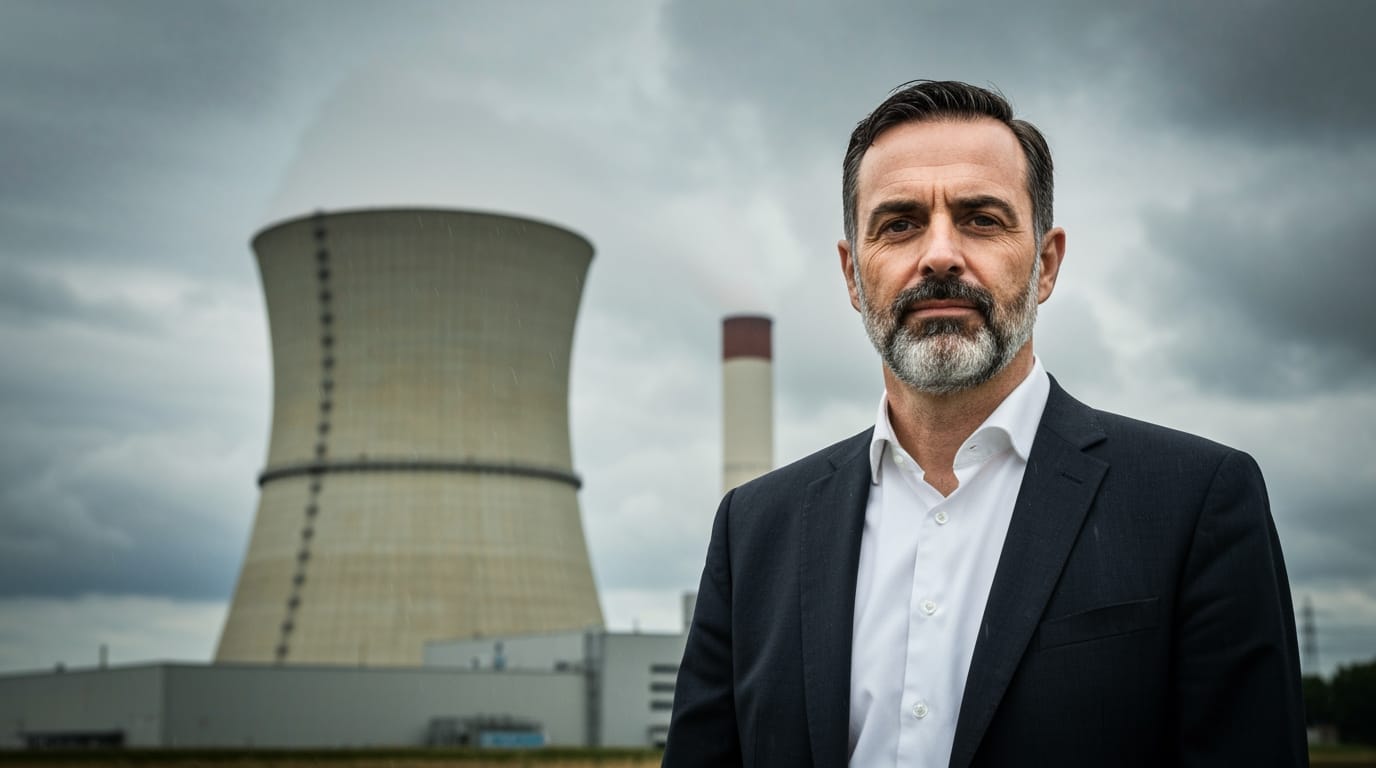
BRUSSELS, Belgium – In a decisive shift in its long-standing energy policy, Belgium has initiated exclusive negotiations with French energy giant Engie for the full nationalization of its entire nuclear power fleet. This landmark move, spearheaded by Prime Minister Bart De Wever, aims to secure the nation's energy independence, stabilize electricity prices, and bolster its climate goals by taking direct control of a critical strategic asset. The announcement marks the latest and most dramatic chapter in Belgium's reversal of its two-decade-old nuclear phase-out policy, underscoring a growing European trend toward re-embracing atomic energy in the face of geopolitical instability and climate imperatives.
The negotiations cover all seven nuclear reactors located at the Doel and Tihange sites, along with associated personnel, subsidiaries, assets, and decommissioning liabilities. Significantly, all ongoing decommissioning and dismantling activities at reactors already slated for closure have been immediately halted, signaling the government's intent to potentially restart some of these units. A letter of intent has been signed, with both parties aiming to reach a binding agreement by October 1, 2026, following a thorough due diligence review of Engie's nuclear operations in Belgium.
A Reversal of Fortune: From Phase-Out to Prioritization
Belgium's relationship with nuclear power has been marked by a significant ideological pendulum swing. In 2003, a federal law, heavily influenced by Green political movements, mandated the complete phase-out of all nuclear electricity generation by 2025 and prohibited the construction of new nuclear plants. This policy led to the progressive shutdown of several reactors, including Doel 3 in 2022 and Tihange 2 in 2023, with Doel 1, Tihange 1, and Doel 2 originally scheduled for closure in 2025.
However, the 2022 energy crisis, exacerbated by Russia's invasion of Ukraine, served as a potent catalyst for rethinking this strategy. Concerns over energy supply security, volatile fossil fuel prices, and the urgency of decarbonization prompted the Belgian government to delay its phase-out plans. In March 2022, a decision was made to extend the operation of the country's two newest and largest reactors, Doel 4 and Tihange 3, by an additional ten years, ensuring their continued operation until 2035. This extension was formalized in a December 2023 agreement, which saw the creation of BE-NUC, a 50/50 joint venture between the Belgian state and Engie, to operate these two units. The deal also involved the transfer of significant nuclear waste liabilities from Engie to the Belgian state for a fixed payment of €15 billion.
The ultimate legislative turning point arrived in May 2025, when the Belgian parliament overwhelmingly voted to repeal the original 2003 phase-out law. This critical parliamentary act not only cleared the way for further life extensions and potential restarts of other units but also lifted the ban on new nuclear construction, opening doors for technologies like Small Modular Reactors (SMRs). The current center-right coalition government, led by Prime Minister Bart De Wever, which took office in early 2025, has since made nuclear revival a cornerstone of its energy policy, aiming for a total nuclear capacity of up to 8 gigawatts by 2035.
The Rationale Behind State Control
The decision to nationalize the entire nuclear fleet stems from a multifaceted set of strategic objectives. Prime Minister De Wever emphasized that direct state control would provide "secure, affordable and sustainable energy," reducing dependence on imported fossil fuels and granting greater command over the nation's energy supply. This approach aligns with broader goals of energy sovereignty and industrial competitiveness, positioning Belgium more resiliently against future geopolitical shocks.
Engie, through its subsidiary Electrabel, had consistently signaled its intention to divest from Belgian nuclear operations, preferring to focus on renewable energy and other assets. The company had already made substantial provisions for decommissioning costs, and further extensions or restarts of aging reactors did not align with its long-term corporate strategy. While previous agreements transferred substantial waste liabilities to the Belgian state, Engie retained operational control and exposure to unforeseen costs. For the De Wever government, a full state takeover resolves these complexities, enabling faster decision-making regarding upgrades, restarts, and the overall management of this critical infrastructure.
The government specifically sees units like Tihange 1, which had recently shut down in late 2025, as strong candidates for relatively quick restarts. Industry estimates suggest that bringing Tihange 1 back online could cost between €350 million and €500 million, a significantly lower investment compared to constructing equivalent new capacity.
Financial Complexities and Opposition
While the strategic benefits of nationalization are highlighted by the government, the financial implications and operational challenges remain significant. The precise financial details of the proposed acquisition have not yet been disclosed, though reports suggest the aging reactors may have limited market value. However, historical tensions have already emerged between Engie and the Belgian government concerning the estimated costs of decommissioning the nuclear fleet, which are projected to exceed €8.7 billion.
Previous agreements with Engie, particularly for the extended operation of Doel 4 and Tihange 3, included a mechanism guaranteeing the operator a certain price for electricity produced. If market prices fell below a threshold of €81 per MWh, the Belgian government would compensate the difference. Analysts have warned that if current lower electricity prices persist, this arrangement could cost the Belgian government approximately €1.5 billion over the extended ten-year period. This highlights the potential financial burden the state may undertake by assuming full ownership and operational risks.
The move has drawn criticism from environmental groups, such as Greenpeace and Bond Beter Leefmilieu, who have labeled the potential nationalization a "reckless choice." They warn of high investment needs, the significant long-term costs associated with nuclear waste management, and the potential for financial risks to taxpayers, arguing that these resources would be better invested in accelerating the transition to renewable energy sources. Experts also point to the inherent complexities of such a deal, including the need for regulatory approvals from the Federal Agency for Nuclear Control (FANC), challenges in workforce retention, revival of the supply chain, and managing the public balance sheet's exposure to long-term liabilities.
Belgium's Nuclear Future
As due diligence proceeds over the coming months, the October 1 deadline for a binding agreement looms large. The Belgian government's ambition extends beyond merely keeping existing plants operational; it aims to generate 4 GW of nuclear power from current and revitalized reactors and is actively exploring the construction of new nuclear facilities, including SMRs. The Doel 5 site has been identified as a potential location for future new reactor builds.
Belgium's pivot reflects a broader European "nuclear renaissance," with several countries re-evaluating their energy strategies in light of climate goals and energy security concerns. The nationalization effort represents a bold attempt by Belgium to reclaim full control over its energy destiny, ensuring a stable, low-carbon electricity supply for its citizens and industries, and mitigating its vulnerability to external energy market fluctuations. The success of this ambitious undertaking will depend on navigating complex financial, technical, and political hurdles, but its outcome will undoubtedly shape Belgium's energy landscape for decades to come.


