Belgium Seizes Suspected Russian "Shadow Fleet" Tanker in Landmark North Sea Operation
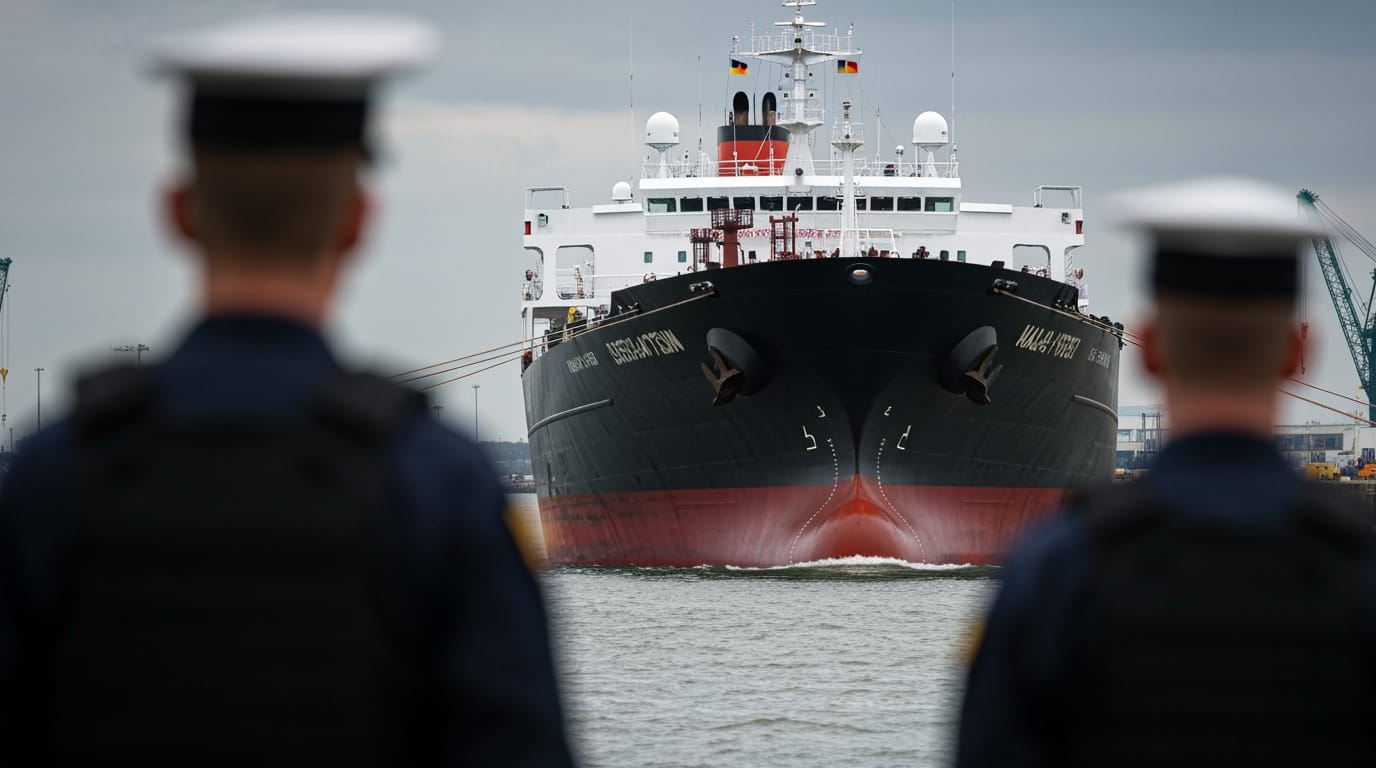
ZEEBRUGGE, Belgium – Belgian special forces, supported by French defense units, executed a significant maritime operation in the North Sea early Sunday, boarding and seizing the oil tanker Ethera, suspected of being part of Russia's clandestine "shadow fleet." This marks Belgium's first military interception of such a vessel, signaling a reinforced European stance against attempts to circumvent international sanctions imposed on Moscow following its full-scale invasion of Ukraine. The Ethera, flying a Guinean flag but identified as a sanctioned vessel, is currently being escorted to the port of Zeebrugge for formal seizure.
The pre-dawn operation, codenamed "Blue Intruder," involved a high-stakes boarding at sea, highlighting the growing resolve among Western nations to disrupt the illicit oil trade funding Russia's war efforts. Belgian Defence Minister Theo Francken confirmed the successful interception, praising the "exceptionally brave service members" involved. The seizure underscores a broader European push to tighten the net around Russia's shadow fleet, a network of aging and often unregulated vessels that pose significant environmental and safety risks while enabling Moscow to maintain its crude oil exports.
The Interception: "Operation Blue Intruder"
The Ethera (IMO 9387279) was intercepted in the North Sea during an overnight operation, with Belgian authorities confirming its status as a vessel operating under a false flag and listed under both EU and U.S. sanctions. According to Foreign Minister Maxime Prévot, intelligence indicated the ship was indeed part of the shadow fleet. Justice and North Sea Minister Annelies Verlinden, Defence Minister Theo Francken, and Mobility Minister Jean-Luc Crucke reportedly monitored the operation from a command post, emphasizing the precise collaboration and expertise demonstrated. Prime Minister Bart De Wever congratulated the armed forces, stating, "Belgium will uphold international maritime law and the security of its territorial waters." French President Emmanuel Macron also acknowledged the French navy's support, reaffirming European determination to cut off funding for Russia's aggression.
This decisive action follows growing concerns and recent legislative preparations within Belgium to legally enable such interceptions. Just weeks prior, in February, Justice Minister Verlinden had confirmed efforts to amend legislation, recognizing that Belgian law previously lacked the explicit basis to stop or board such vessels in its waters. The successful operation demonstrates that these legal and operational frameworks are now in place, allowing Belgium to actively contribute to international enforcement efforts.
Unmasking the "Shadow Fleet"
The "shadow fleet," also referred to as the "dark fleet" or "grey fleet," is a clandestine maritime network that emerged in response to comprehensive Western sanctions and price caps on Russian oil following the 2022 invasion of Ukraine. Comprising hundreds of tankers, many of which are old, poorly maintained, and often uninsured, these vessels employ deceptive shipping practices to conceal the origin, ownership, or destination of their cargo, primarily Russian oil. Tactics include turning off Automatic Identification System (AIS) transponders, manipulating GPS data, using fraudulent flags of convenience, and operating under complex, opaque ownership structures.
This network allows Russia to circumvent sanctions and maintain significant revenue streams from its oil exports, which are crucial for financing its war effort. While shadow fleets have existed for years, assisting sanctioned countries like Iran and Venezuela, Russia's fleet has expanded rapidly, with estimates suggesting over a thousand such vessels by late 2023.
Growing Risks and International Response
The operations of the shadow fleet pose substantial risks beyond sanctions evasion. The advanced age and often substandard maintenance of these vessels create heightened environmental hazards, particularly in sensitive areas like the North Sea and Baltic Sea. Incidents, including oil spills and mechanical failures, have become more frequent, and the lack of proper insurance leaves a significant gap in liability and response readiness in case of a major accident. Furthermore, their deceptive practices complicate maritime security and law enforcement, challenging the traditional regulatory frameworks of global shipping.
In recent months, there has been an intensified international crackdown on these vessels. In January, 14 European countries, including Belgium, issued a joint statement warning that ships flying false flags or lacking proper documentation would be treated as stateless, allowing for tougher action. France detained a suspected shadow fleet tanker earlier this year, and Germany seized another that lost propulsion in the Baltic Sea. The United States has also seized several shadow fleet tankers linked to illicit oil trades. These coordinated efforts demonstrate a unified front among Western allies to reinforce sanctions and mitigate the risks posed by this illicit shipping activity.
Implications for Global Sanctions Enforcement
The seizure of the Ethera by Belgian forces marks a significant escalation in the enforcement of sanctions against Russia's shadow fleet. It underscores that European nations are moving beyond diplomatic warnings and are prepared to take direct action to disrupt this clandestine network. This robust enforcement sends a clear message that operating under false flags or attempting to bypass international regulations in European waters will not be tolerated.
This incident will likely have far-reaching implications for the global shipping industry, potentially increasing scrutiny on all vessels operating with opaque ownership or unusual sailing patterns. It also highlights the critical importance of international cooperation between defense and justice ministries in countering complex maritime challenges. As geopolitical tensions remain high and the war in Ukraine continues, such operations are expected to become more frequent, further pressuring Russia's ability to finance its aggression and underscoring the West's commitment to upholding international law and maritime security.


