Berlin Blackout Exposes Deep Vulnerabilities in Germany's Critical Infrastructure
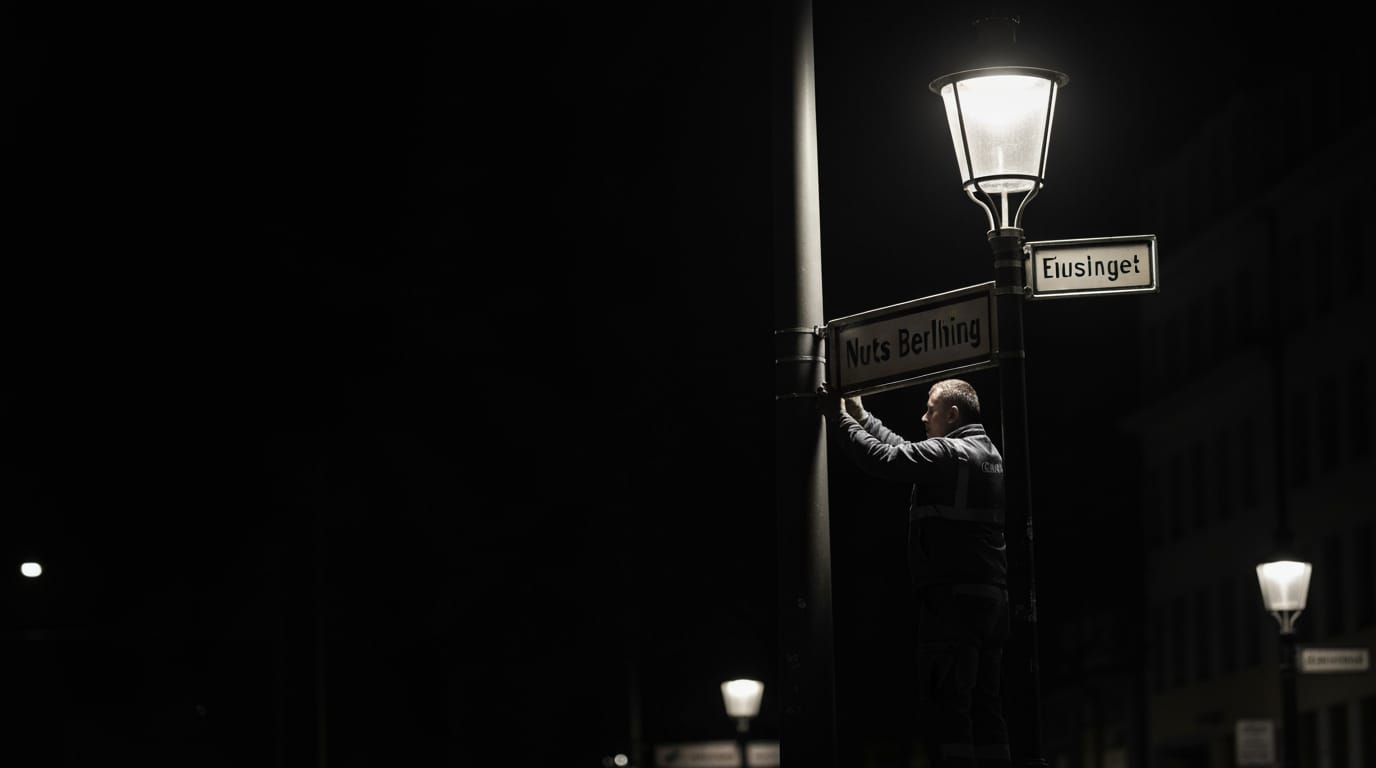
BERLIN – A recent, protracted power outage that plunged vast swathes of southwest Berlin into darkness for several days has ignited urgent concerns over the resilience of Germany's critical infrastructure. The incident, triggered by a deliberate arson attack, served as a stark reminder of the nation's susceptibilities to both physical sabotage and the complex challenges inherent in its ambitious energy transition. The blackout, described as the longest in the capital since the end of World War II, affected tens of thousands and disrupted essential services, pushing the protection of vital networks to the forefront of national dialogue.
The Shadow of Sabotage: A City in Darkness
The widespread power disruption began when a cable bridge over the Teltow Canal in southwest Berlin was targeted by arsonists. A left-wing extremist group, identifying itself as "Vulkangruppe" (Volcano Group), swiftly claimed responsibility for the attack, asserting it was a strike against the "climate-damaging gas industry" and data centers, which they characterized as "gigantic, energy-guzzling data centers and server farms." The incident left approximately 100,000 individuals across 45,000 households and 2,200 businesses without electricity, heating, or internet services, as temperatures in January dipped below freezing. Hospitals and care facilities were forced onto emergency generators, and public transportation experienced significant slowdowns and interruptions.
Repair efforts were compounded by the freezing ground conditions, delaying full restoration for some areas by up to five days. Berlin Mayor Kai Wegner condemned the attack as "terrorism," highlighting the severe risks posed to human lives. The German Red Cross (DRK) underscored the incident's severity by calling for enhanced civil protection measures, as many residents were forced to seek refuge in hotels, with relatives, or in emergency shelters to escape the cold. This was not an isolated event; the Vulkangruppe had previously claimed responsibility for an arson attack in March 2024 that temporarily halted production at a Tesla factory south of Berlin, as well as a 60-hour blackout in southeast Berlin in September that same year.
Exposed Fault Lines: Systemic Vulnerabilities Unmasked
The Berlin blackout critically exposed several systemic weaknesses within Germany's infrastructure, prompting experts and officials to question existing security protocols. A particular point of contention is the accessibility of sensitive infrastructure data. Energy companies and industry associations argue that current transparency requirements, which mandate the public disclosure of information regarding critical energy facilities, inadvertently provide blueprints for potential saboteurs. This information, often available "on a silver platter," could facilitate attacks.
Security experts have voiced concerns that if relatively small-scale acts of sabotage can disrupt electrical service for a significant portion of the capital, the broader national power grid and other critical infrastructure face substantial risks, potentially even from more coordinated attacks by state actors. Analyst Florian Warweg expressed shock at how a single point of failure could paralyze a major city for nearly a week, lamenting a perceived lack of backup systems and suggesting that German infrastructure appears "very vulnerable" even when compared to nations operating under constant threat. This vulnerability extends beyond physical attacks to a growing threat of hybrid warfare, encompassing both cyber-attacks and physical sabotage, which experts say has intensified due to geopolitical tensions and domestic extremism.
The Energy Transition's Intricate Demands
Beyond the immediate threat of sabotage, Germany's ambitious "Energiewende" – the transition to renewable energy sources – introduces its own set of complex challenges for grid stability and infrastructure demands. While Germany has successfully increased the share of renewables in its electricity consumption to over 50 percent in 2023, the intermittent nature of wind and solar power presents significant hurdles for the traditional power grid, which was originally designed for continuous generation from fossil fuels and nuclear power plants.
The integration of these fluctuating energy sources necessitates a massive overhaul and expansion of the existing grid. A report from the Macroeconomic Policy Institute (IMK) estimates that Germany will need to invest approximately €650 billion in its electricity grids by 2045 to cope with the electrification of transport, industry, and buildings, and to effectively integrate renewable energies. This figure includes €328 billion for transmission grids and €323 billion for distribution grids. Annual investments will need to more than double from the €15 billion recorded in 2023 to around €34 billion. Grid bottlenecks, particularly in transporting wind power generated in the north to industrial centers in the south, remain a significant obstacle to the energy transition.
Bolstering Resilience: A Multifaceted National Response
In response to these escalating threats and demands, the German government has been actively pursuing strategies to fortify its critical infrastructure. The long-standing national "KRITIS Strategy," established in 2009, defines critical infrastructures as sectors vital to the public, including energy, water, information technology, and healthcare. This framework is now being significantly bolstered by new legislation.
The draft "KRITIS Umbrella Act" aims to transpose the EU Critical Entities Resilience (CER) Directive into national law, establishing a uniform, cross-sector approach to physical and organizational resilience. This act, expected to introduce its most significant obligations by July 2026, mandates critical infrastructure operators to implement comprehensive resilience measures, conduct risk analyses, and develop incident monitoring mechanisms to protect against all hazards, from natural disasters to intentional human acts. Concurrently, the NIS2 Directive addresses cybersecurity risks, a critical area given the high volume of ransomware and DDoS attacks targeting German systems.
Financially, Germany is committing substantial resources. A new €500 billion infrastructure special budget (ISB), approved in March 2025, will channel funds into climate-neutral energy infrastructure, transport, and digitalization, operating outside the country's constitutional debt brake. Federal infrastructure spending between 2025 and 2029 is projected to be around €150 billion. These investments are crucial for developing smart grids, which utilize advanced information and communication technologies to manage variable energy flows, optimize demand, and integrate decentralized energy generation more effectively. The government also plans tenders for up to 20 GW of new gas-fired power plant capacity by 2030, with the future aim of converting them to hydrogen, to ensure supply security during the transition. Furthermore, the "System Stability Roadmap" provides a structured plan for achieving a secure and resilient energy system powered entirely by renewable sources by 2045.
A Future Built on Vigilance and Investment
The recent Berlin blackout has served as a potent illustration of the evolving threat landscape facing Germany's critical infrastructure. While the nation has historically maintained one of the most reliable electricity grids globally, the increasing confluence of malicious intent, geopolitical instability, and the inherent complexities of the energy transition demands continuous adaptation and investment.
The incident has catalyzed calls for a reassessment of the balance between public transparency and security, pushing for stronger physical safeguards and potentially stricter controls over sensitive infrastructure information. The government's robust legislative and financial commitments, particularly through the KRITIS Umbrella Act and massive investment funds, signal a recognition of the urgent need to enhance resilience. As Germany strives for a climate-neutral future powered predominantly by renewables, the sustained safeguarding and modernization of its interconnected infrastructure will be paramount to its security, economic stability, and the well-being of its citizens.