Morocco and Israel Cement Military Alliance Amidst Shifting Regional Sands
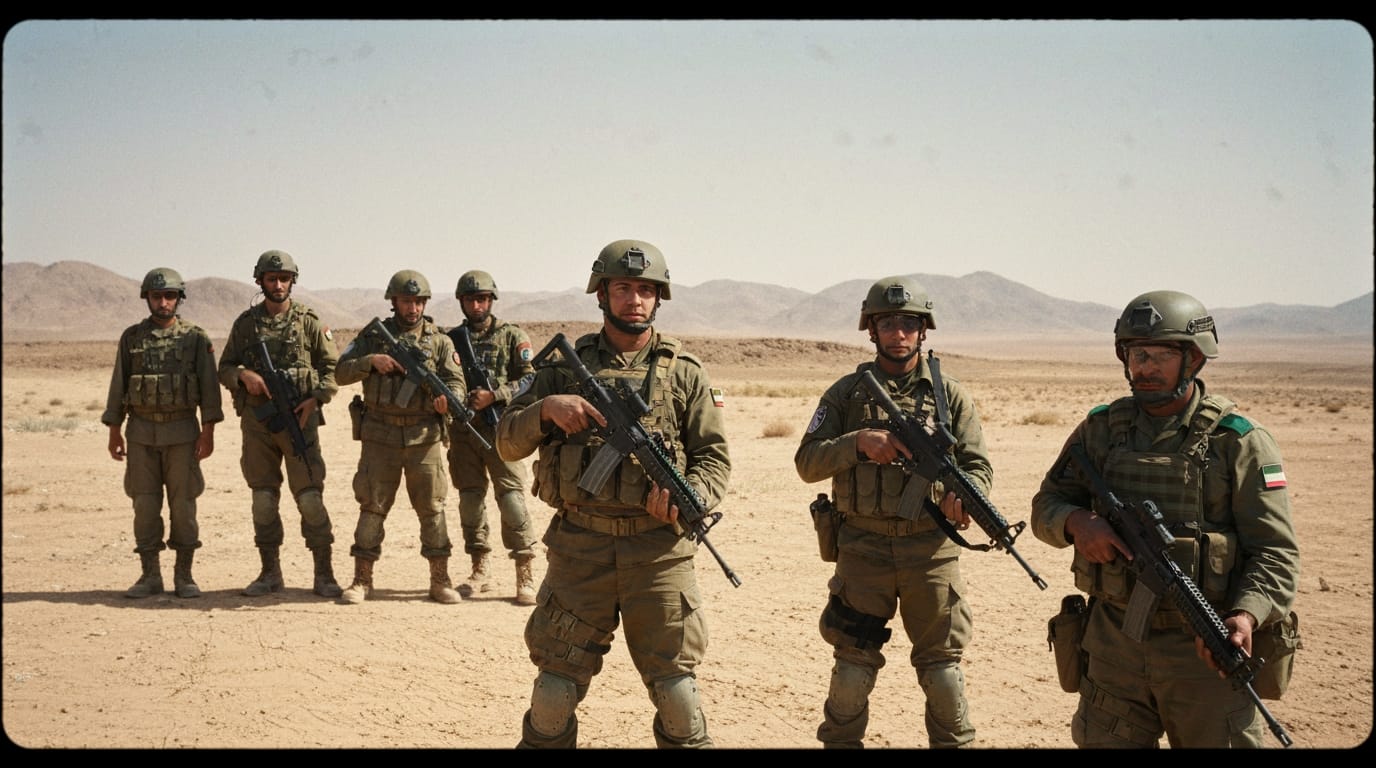
Rabat and Tel Aviv have formally cemented their burgeoning military partnership with the signing of a comprehensive joint work plan for 2026, marking a significant deepening of ties five years after the two nations normalized relations under the U.S.-brokered Abraham Accords. This enhanced cooperation, encompassing advanced defense systems, intelligence sharing, and local production capabilities, unfolds against a complex backdrop of regional geopolitical realignments and persistent public dissent within Morocco regarding the Israeli-Palestinian conflict. The agreement signals a strategic calculus by both countries to leverage their alliance for mutual security and influence, despite the tensions it exacerbates with regional rivals and a segment of the Moroccan populace.
The Abraham Accords: A Foundation for Strategic Reorientation
The diplomatic rapprochement between Morocco and Israel officially began on December 10, 2020, with the signing of the Abraham Accords. This landmark agreement saw Morocco become the fourth Arab nation to normalize relations with Israel, following the United Arab Emirates, Bahrain, and Sudan. A pivotal incentive for Morocco's participation was the simultaneous recognition by the United States of Moroccan sovereignty over the disputed Western Sahara territory, a long-standing diplomatic priority for Rabat. Beyond diplomatic recognition and economic cooperation, the accords laid the groundwork for robust security and military collaboration. The initial aim on the security front was for Morocco to engage in a joint counter-terrorism framework with the Israeli military, focusing on information sharing and combating crime. This normalization represented a fundamental shift in Morocco's foreign policy, pivoting towards new strategic partnerships to bolster its security posture and regional standing.
Pillars of a Deepening Military Partnership
Since the initial agreement, military cooperation between Morocco and Israel has rapidly expanded, evolving into a multifaceted strategic alliance. A significant milestone was the signing of a Memorandum of Understanding in November 2021 by then-Israeli Defense Minister Benny Gantz and Moroccan Defense Minister Abdellatif Loudiyi, which formalized defense ties and established an institutional framework for collaboration. This institutionalization has facilitated ongoing high-level engagements, including the recent third Joint Military Committee meeting in Tel Aviv, which culminated in the 2026 joint military work plan.
The scope of this cooperation is extensive, covering a range of critical defense areas. It includes intelligence sharing, operational coordination, training, and research and development initiatives. Both nations have committed to enhancing capabilities in air defense, reconnaissance, artillery, electronic warfare, and cybersecurity. Joint military exercises, such as the U.S.-led "African Lion" drills, have seen the participation of Israeli forces alongside Moroccan units, further integrating their defense strategies and interoperability.
A cornerstone of this partnership has been Morocco's substantial acquisition of advanced Israeli defense technology, leading to Israel becoming a major supplier to the Moroccan armed forces. Morocco has reportedly signed a $500 million agreement in 2022 to procure the Barak MX air and missile defense system from Israel Aerospace Industries (IAI), with deliveries commencing in 2023. In a significant shift from its traditional European suppliers, Morocco finalized a deal in early 2025 to acquire 36 ATMOS 2000 self-propelled artillery systems from Elbit Systems, an Israeli defense firm, making Israel its third-largest overall arms supplier. Additionally, Morocco has contracted IAI for two Ofek 13 military reconnaissance satellites in a deal estimated at $1 billion, intended to upgrade its surveillance capabilities by 2029. The cooperation also extends to drone technology, with a factory for producing SpyX loitering munitions by Israeli company BlueBird Aero Systems reportedly opening in Morocco, indicating a move towards local defense manufacturing.
Geopolitical Drivers and Regional Realignment
The deepening military alliance is driven by strategic imperatives for both Rabat and Tel Aviv, significantly reshaping the geopolitical landscape of North Africa and the wider Middle East. For Morocco, the alliance provides access to cutting-edge military technology and expertise critical for modernizing its armed forces and diversifying its defense partners. This modernization is seen as essential for enhancing its regional stability strategies, particularly in the context of ongoing tensions with neighboring Algeria and concerns over instability across the Sahel region. The U.S. recognition of its claim over Western Sahara, secured through the Abraham Accords, remains a central geopolitical gain for Rabat, with Israel's support further bolstering this position.
For Israel, the alliance extends its security footprint into North Africa, broadening its network of partners beyond the immediate Middle East. It represents a strategic opportunity to gain greater acceptance among Arab states and expand its influence in a region grappling with various security challenges, including counter-terrorism efforts. The partnership contributes to an emerging strategic axis, with some analysts noting an "Israel-Morocco-USA" alignment contrasting with an "Algeria-Russia" axis, leading to a complex dynamic of contained rivalry rather than direct confrontation.
Navigating Internal Dissent and External Challenges
Despite the robust official cooperation, the alliance faces significant challenges, particularly from public opinion within Morocco and escalating regional tensions with Algeria. The "tensions" highlighted in the initial premise are multifaceted. There have been contrasting opinions among Moroccans regarding the normalization agreement, with significant segments of the population expressing resentment and rejection of ties with Israel, largely due to the ongoing Israeli-Palestinian conflict. Protests against Israeli military actions, particularly in the Gaza Strip, have occurred, underscoring the deep emotional and ideological resonance of the Palestinian cause within Moroccan identity. The Moroccan government has had to navigate this internal dissent, balancing its strategic objectives with public sentiment. Reports suggest that military ties were temporarily suspended for over two years following Israel's military offensive on Gaza, only resuming after the cessation of hostilities. However, other sources indicate that cooperation continued to deepen even amidst the conflict, highlighting the strategic resilience of the partnership.
Regionally, the alliance has significantly exacerbated tensions with Algeria, Morocco's arch-rival. Algeria cited the Abraham Accords and Morocco's deepening ties with Israel as one of the reasons for unilaterally cutting diplomatic relations in August 2021. Algiers views the military alliance as a direct threat and has expressed growing unease over the scope of Morocco's military cooperation and arms purchases, fueling an arms race in the Maghreb. This rivalry, particularly concerning the Western Sahara, continues to shape regional stability and the geopolitical calculus of both nations.
Conclusion
The military alliance between Morocco and Israel, formalized through joint work plans and extensive defense procurement, represents a profound strategic shift in North Africa and the Middle East. Born from the Abraham Accords, this partnership provides Morocco with crucial military modernization and diplomatic backing for its Western Sahara claims, while offering Israel an expanded security presence and diplomatic acceptance in the Arab world. Despite the undeniable strategic benefits, the alliance navigates a complex terrain of internal Moroccan public opposition rooted in solidarity with the Palestinian cause and heightened regional animosity, particularly with Algeria. The long-term trajectory of this alliance will depend on its ability to withstand these enduring pressures and continue to deliver on the strategic objectives that initially brought these two nations together.


