Berlin Conference Amplifies Calls for Aid and Civilian-Led Future Amidst Sudan's Deepening Crisis
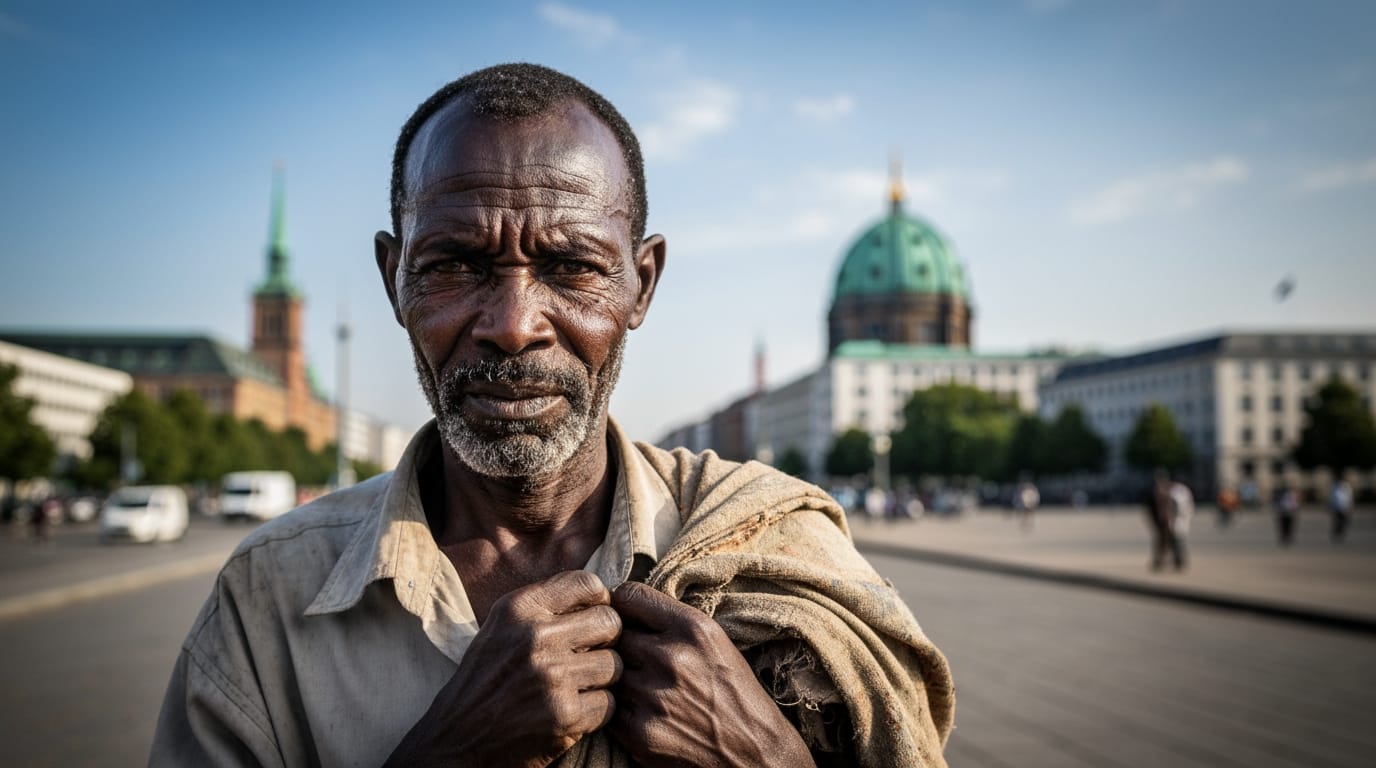
Berlin, Germany – As Sudan's devastating civil war enters its fourth year, an international conference in Berlin on April 15, 2026, brought together global leaders, aid organizations, and, notably, Sudanese civilian voices, to address what the United Nations has unequivocally declared the world's worst humanitarian and displacement crisis. Hosted by Germany, alongside the African Union, the European Union, France, the United Kingdom, and the United States, the gathering aimed to re-center international attention on a conflict that has largely been overshadowed, mobilizing crucial humanitarian aid and charting a path toward a civilian-led future for the embattled nation.
A Crisis Unfolding on an Unprecedented Scale
The conflict, which erupted on April 15, 2023, between the Sudanese Armed Forces (SAF) led by General Abdel Fattah al-Burhan, and the paramilitary Rapid Support Forces (RSF) under General Mohamed Hamdan Dagalo (Hemedti), has plunged Sudan into an abyss of suffering. The power struggle, originating from a joint military coup in 2021, has since led to the displacement of an estimated 12 to 14 million people, with approximately 9 million internally displaced and 3.5 to 4.4 million seeking refuge in neighboring countries, creating the largest displacement crisis globally.
The humanitarian toll is staggering, with nearly 33.7 to 34 million people—approximately 65 percent of Sudan's population—in urgent need of assistance. Famine conditions are pervasive, with 30 million individuals requiring food aid, and widespread hunger driving some to desperate measures such as consuming leaves and animal feed. Beyond food insecurity, the conflict has decimated basic services, including access to clean water, healthcare, and education, with hospitals in ruins and water systems broken. The death toll is estimated to be in the hundreds of thousands, although precise figures remain elusive amid the chaos. United Nations officials and humanitarian organizations have repeatedly underscored that, despite its catastrophic scale, the crisis in Sudan remains "forgotten" or "abandoned" by the international community.
Global Pledges and the Persistent Funding Gap
A central objective of the Berlin conference was to galvanize international financial support for the humanitarian response. Initial targets aimed to secure over $1 billion in funding commitments. By the conclusion of the event, pledges surpassed $1.5 billion, signaling a renewed, albeit still insufficient, commitment from donor nations.
Germany, as host, announced an additional €20 million ($23.6 million) in aid, building on the €155.4 million provided in the previous year. The European Union and its Member States collectively pledged over €811 million, with the European Commission contributing €360.8 million, allocated for both internal needs within Sudan and regional refugee support. Canada also stepped forward with a commitment of over $120 million, earmarking more than $94 million for humanitarian assistance and $25 million for development initiatives, including education for over 60,000 children and programs to combat sexual and gender-based violence.
Despite these pledges, the humanitarian response for Sudan remains critically underfunded. Last year, the response plan received only about 40 percent of the requested funds. For 2026, a $2.8 billion appeal is merely 16 percent funded, highlighting a significant gap between the escalating needs and the available resources. Aid organizations stress that these financial shortfalls have dire consequences, hindering their ability to deliver life-saving assistance and protect vulnerable populations. Calls for rapid and unimpeded humanitarian access to all parts of Sudan were also a critical component of the discussions.
Roots of the Conflict and its Brutal Consequences
The current conflict is the culmination of a long-standing power struggle within Sudan's military establishment. Following the overthrow of former dictator Omar al-Bashir in 2019, the SAF and RSF initially collaborated, but their rivalry intensified, leading to the full-scale war. The RSF, originating from the notorious Janjaweed militia, has a history marked by brutal attacks and crimes in Darfur.
Throughout the past three years, both warring parties have been accused of widespread war crimes, crimes against humanity, and acts potentially amounting to genocide. Reports detail deliberate targeting of civilians, widespread sexual violence—including rape, gang-rape, and sexual slavery—as well as looting and systematic destruction of civilian infrastructure. The deliberate use of famine and sexual violence as weapons of war has also been documented, severely impacting the country's economy, health systems, and education.
Attempts at mediation, such as the 2023 Jeddah Declaration, have failed to halt the fighting. The conflict has seen shifting frontlines, with the RSF initially controlling much of Darfur and advancing on Khartoum, while the SAF has regained momentum in other areas. The involvement of external actors, including reports of the Wagner Group and the United Arab Emirates supporting the RSF, and Egypt and Saudi Arabia backing the SAF, has further complicated the crisis. Despite the immense suffering, the conflict has received comparatively less global attention than others, contributing to its "forgotten" status.
Centering Civilian Voices for a Sustainable Future
A significant departure from previous conferences on Sudan in Paris (2024) and London (2025) was Berlin's emphasis on incorporating Sudanese civilian perspectives. While not framed as a peace conference, the Berlin gathering aimed to foster humanitarian action and give greater weight to Sudanese civilian actors advocating for a civilian-led transition. Approximately 40 Sudanese civilian representatives participated, a move seen by many as a crucial innovation.
These civilian voices advocated for paths towards a democratically legitimized post-war order and emphasized strengthening local mutual aid networks, such as the Emergency Response Rooms, which operate in areas inaccessible to international organizations. The conference also served as a platform to call for accountability for crimes committed under international law, echoing calls from human rights organizations. However, challenges remain, as the Sudanese government has expressed concerns about perceived interference in its internal affairs, particularly regarding engagement with paramilitary groups. The continued lack of a ceasefire further complicates efforts to move towards a lasting political solution.
Conclusion: A Moment for Renewed Resolve
The Berlin International Sudan Conference served as a critical platform to shine a spotlight on a conflict often overlooked and to mobilize essential resources for millions in dire need. While the pledges of aid offer a glimmer of hope, the magnitude of the humanitarian crisis demands sustained international attention and significantly increased funding. The inclusion of Sudanese civilian actors represents a vital step towards ensuring that future solutions are rooted in the needs and aspirations of the affected population, moving beyond a focus solely on the warring factions. Ultimately, ending the violence, ensuring unimpeded humanitarian access, protecting civilians, and fostering a genuine civilian-led political transition remain the paramount objectives for a country ravaged by a brutal and protracted war.


