Berlin Plunges Into Darkness: Left-Wing Extremists Target Critical Infrastructure

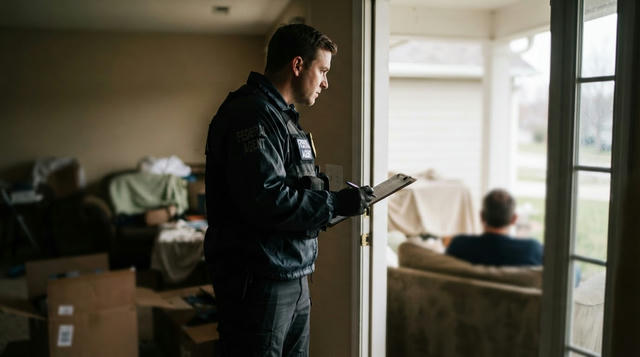
Berlin, Germany – A recent arson attack on critical energy infrastructure has plunged tens of thousands of households and businesses in southwest Berlin into darkness, once again spotlighting the escalating threat posed by left-wing extremist groups in Germany. The incident, for which a group calling itself "Vulkangruppe" (Volcano Group) has claimed responsibility, disrupted daily life, cut off heating during freezing temperatures, and triggered urgent warnings from city officials about the vulnerability of essential services.
The widespread power outage, which began on January 3, 2026, affected up to 45,000 homes and 2,000 commercial entities across four Berlin districts, including Nikolassee, Zehlendorf, Wannsee, and Lichterfelde. Beyond the immediate loss of electricity, residents faced significant challenges as heating systems failed, mobile phone networks became unreliable, and traffic signals ceased functioning. Berlin's Mayor Kai Wegner swiftly condemned the act, characterizing it as "terrorism" and emphasizing that such attacks knowingly endanger human lives. Authorities confirmed the authenticity of Vulkangruppe's claim of responsibility, prompting a comprehensive investigation into the deliberate sabotage.
A History of Disruption: The Vulkangruppe’s Campaign
The Vulkangruppe, associated with far-left, anti-fascist, and anarchist ideologies, is not new to such acts of sabotage against critical infrastructure. Security authorities in Germany have flagged the group for its repeated attacks on the regional power grid. Their history of disruption includes an incident in 2018 where they claimed responsibility for destroying power lines in Berlin's Charlottenburg district, causing an outage for approximately 6,500 homes and 400 businesses. Damages from this event were estimated to be substantial.
More recently, in March 2024, the Vulkangruppe claimed an arson attack against a power pylon near the Tesla gigafactory outside Berlin, resulting in a temporary halt in production. Another suspected arson attack, attributed to the group in September 2025, caused a major blackout that left around 50,000 households in southeast Berlin without electricity for 60 hours – reportedly the longest power cut in that part of the city since World War II. These incidents underscore a consistent pattern of targeting energy infrastructure to achieve their political aims.
In their latest communication, following the January 2026 blackout, the Vulkangruppe issued a lengthy statement. The group framed the attack as an "act of resistance" concerning "greed for energy" and a protest against the fossil fuel industry and the increasing power demands of AI data centers, which they claim exacerbate climate change and create societal dangers. While expressing limited sympathy for "villa owners" affected by the outage, the group also offered an apology to less affluent individuals impacted by their actions.
The Broader Landscape of Left-Wing Extremism
Germany's domestic intelligence agency, the Bundesamt für Verfassungsschutz (BfV), consistently assesses the threat posed by left-wing extremism as high. These groups are motivated by a desire to abolish the existing democratic state and social order, aiming to replace it with either a communist system or an anarchist society. They view "capitalism" as the fundamental source of societal problems and are prepared to use violence to achieve their revolutionary goals.
The BfV's assessments indicate that more than one in four left-wing extremists are considered violence-oriented, with autonomists and anarchists forming the largest segments of this group. Germany recorded approximately 36,500 left-wing extremists in 2022, with an estimated 10,800 individuals deemed potentially violent. These statistics highlight a persistent and significant challenge to internal security.
The methods employed by these extremists range from property damage and arson to criminal and violent offenses committed almost daily. Such actions annually result in damages amounting to tens or hundreds of millions of euros, impacting not only businesses but also critical infrastructure sectors such as energy, telecommunications, and public transport. The BfV notes that violent extremist activity has become increasingly professional, aggressive, targeted, and brutal, sometimes even directed against security authorities.
Protecting Critical Infrastructure and Public Safety
The January 2026 Berlin blackout served as a stark reminder of the widespread impact that targeted attacks on critical infrastructure can have on daily life. Emergency services quickly established warming and charging stations in community centers for affected residents, many of whom were left without heat during sub-freezing temperatures. The outage also underscored the vulnerabilities of modern "smart homes," where even basic functions like window shutters can cease without electricity.
In response to the growing threat, German authorities have intensified efforts to counter left-wing extremism and protect vital systems. Germany has a National Strategy for Critical Infrastructure Protection, initially established in 2009, and is actively developing comprehensive cross-sectoral legislation to enhance the physical protection of these essential assets. The Joint Centre for Countering Extremism and Terrorism (GETZ) plays a crucial role in coordinating intelligence and law enforcement efforts across various agencies to address extremist threats, including those from the left-wing spectrum.
Following the recent attack, Berlin's Mayor Kai Wegner called for urgent discussions with the federal government to bolster security measures for critical infrastructure, particularly in the capital region. Interior Minister Alexander Dobrindt reiterated the seriousness of the situation, asserting that "Left-wing terrorism is back in Germany with increasing intensity." The incident prompted preliminary theories of sabotage by foreign actors, but the swift and credible claim from the Vulkangruppe shifted the focus to domestic extremist threats.
Conclusion: Ongoing Vigilance in a Complex Threat Landscape
The recent Berlin blackout, attributed to the Vulkangruppe, underscores the persistent and evolving danger posed by left-wing extremist elements within Germany. While these groups may justify their actions with ideological or environmental motivations, their methods directly threaten public safety, economic stability, and the functioning of a modern society. The targeted nature and increasing professionalism of these attacks highlight the ongoing challenge for security agencies tasked with protecting critical infrastructure. The incident serves as a critical reminder of the need for continuous vigilance, robust security measures, and strong interagency cooperation to safeguard essential services and maintain public order in the face of domestic extremism. Full restoration of power to all affected areas was not anticipated until January 8, emphasizing the lasting and disruptive consequences of such acts.