Berlin Police Arrest Scores as Neo-Nazi March is Blocked by Counter-Protests
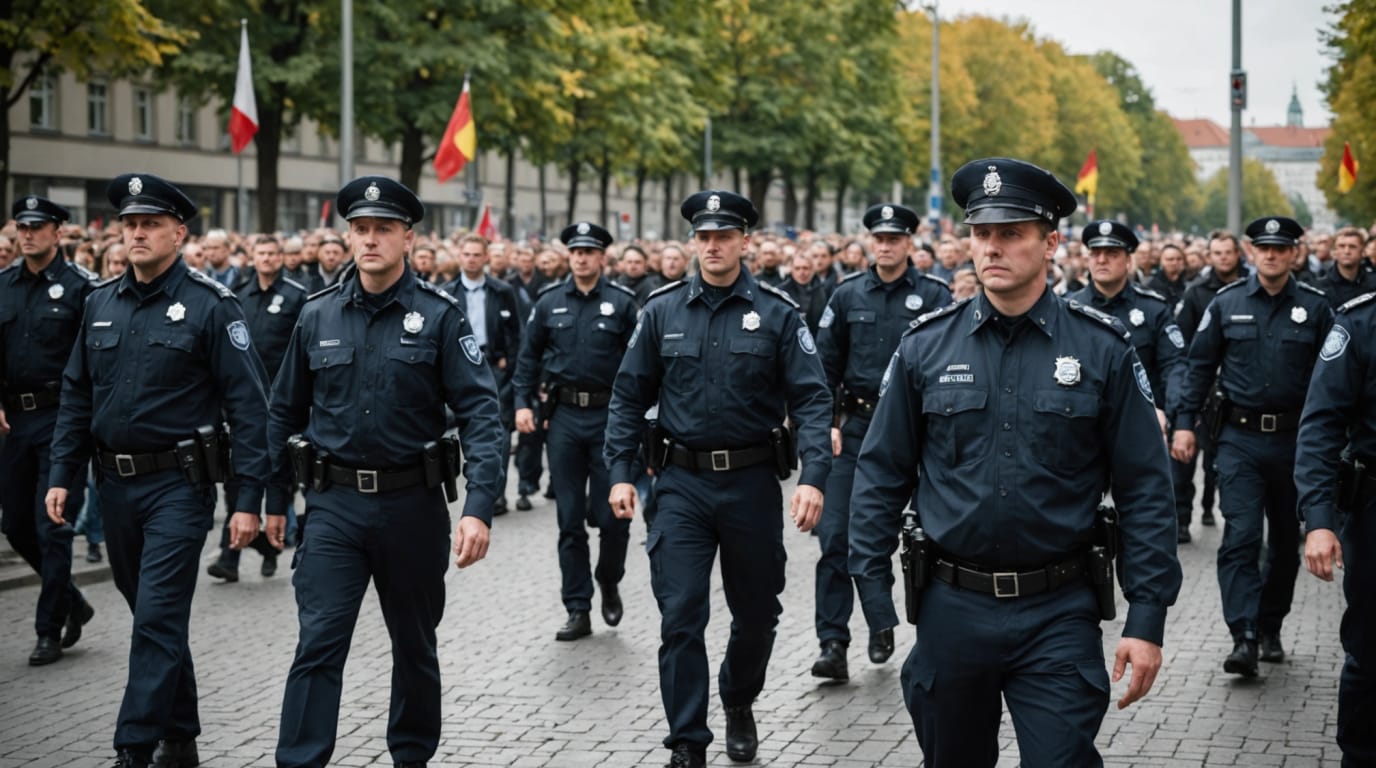
Berlin – A right-wing extremist demonstration in Berlin's Friedrichshain district was brought to an abrupt halt Saturday as counter-protesters successfully blocked the neo-Nazi march, leading to scores of arrests. The march, the third of its kind since December, was met with a strong response from counter-demonstrators, resulting in clashes and police intervention.
Heavy Police Presence and Swift Action
Berlin police deployed 1,500 officers, including reinforcements from Bavaria and Bremen, to maintain order and prevent escalation between the two groups. Authorities reported around 100 arrests, with further details expected to be released Sunday. Several individuals were detained for violating a ban on wearing masks, while three participants were legally prevented from joining the neo-Nazi march altogether. A judge had confirmed a preventive detention order for these individuals, who had previously been arrested for displaying symbols of unconstitutional organizations, including one man who gave a Hitler salute. Pepper spray was used by officers to control the crowds.
Neo-Nazi March Halted
The neo-Nazi march, organized under the banner "For law and order. Against left-wing extremism and politically motivated violence," failed to progress beyond its initial arrival point at the Ostkreuz train station in eastern Berlin. The leader of the rally prematurely ended the demonstration after approximately four hours, according to police reports on X, formerly known as Twitter. Previous iterations of the march saw participation of around 150 neo-Nazis last month and approximately 60 at the initial event in December. Counter-demonstrators numbered around 4,000.
Counter-Protests and Public Sentiment
The premature ending of the neo-Nazi march highlights the strong opposition to far-right extremism within Berlin. The large turnout of counter-demonstrators underscores the public's rejection of neo-Nazi ideology and their commitment to preventing the spread of hate speech and symbols. The incident reflects the ongoing tension between freedom of speech and the need to protect society from extremist ideologies, a balance that German authorities continuously navigate.
Historical Context and Legal Restrictions
Germany has a long history of dealing with far-right extremism, rooted in the experience of the pre-war Weimar Republic. Strict laws are in place to prevent the glorification of Nazism and the display of related symbols. These restrictions are intended to prevent the kind of street violence that was common during the Weimar era, when opposing political groups frequently clashed. Authorities typically try to balance the rights of protesters to free speech and assembly against the rights of counter-demonstrators and residents. This includes restrictions on items like shields, helmets, and batons, which are prohibited at demonstrations. Openly anti-Semitic chants also prompt police intervention.
Echoes of Past Confrontations
Saturday's events echo similar incidents in recent years. In August 2017, a neo-Nazi march commemorating the 30th anniversary of the death of Nazi official Rudolf Hess was blocked by counter-protesters in Berlin's Spandau district. On that occasion, police detained 39 people, including 35 neo-Nazis and four counter-protesters. Authorities had imposed strict guidelines on the march, forbidding marching music, the display of swastikas or Nazi symbols, and limiting the number of imperial German flags.
Implications and Future Outlook
The events in Berlin serve as a reminder of the persistent threat of far-right extremism and the importance of vigilance in combating it. The strong response from counter-demonstrators and the decisive action by police demonstrate a commitment to upholding democratic values and preventing the spread of hate. While the neo-Nazi march was successfully blocked, the incident underscores the need for continued efforts to address the root causes of extremism and promote tolerance and understanding within society. Law enforcement will continue to monitor such activities and respond accordingly to maintain public safety and order.