Intensified Strikes Claim Civilian Lives as Ukraine War Enters Fifth Year
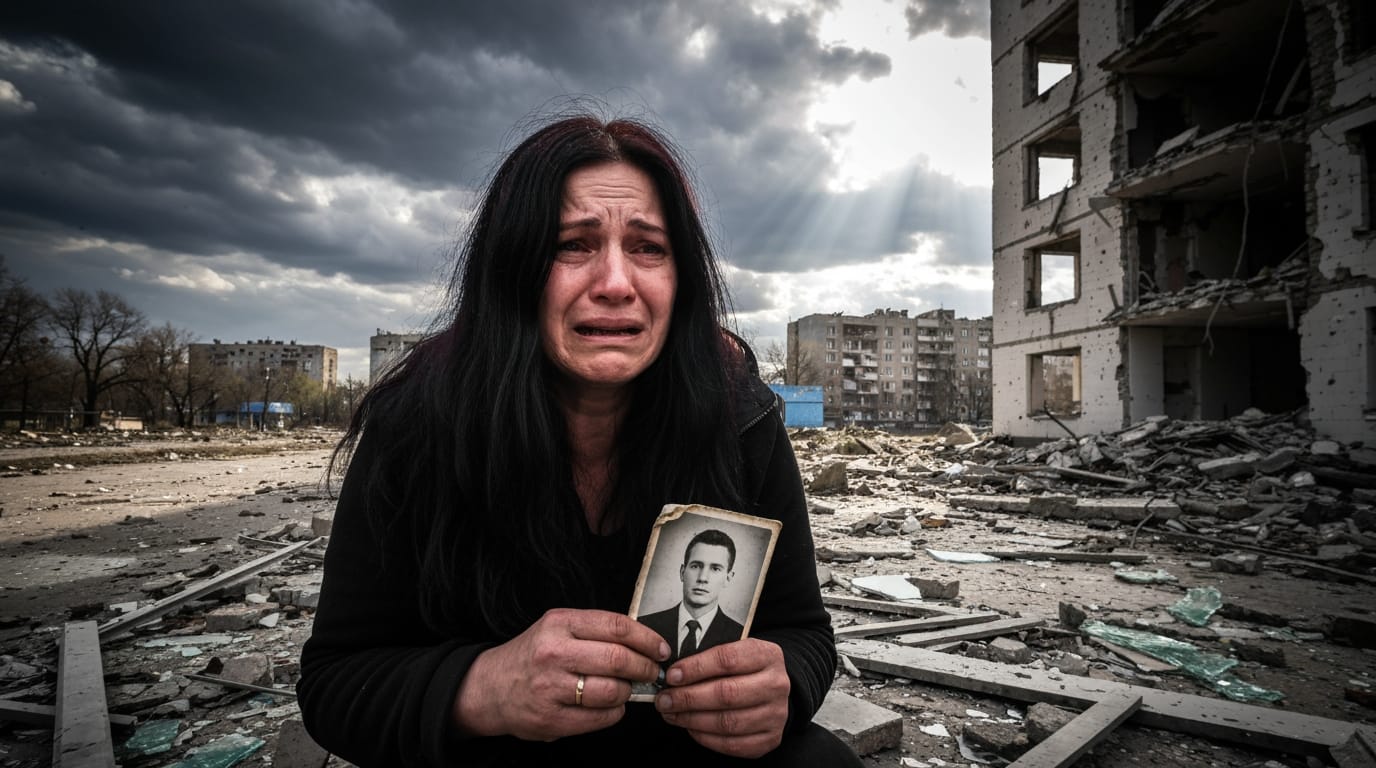
KYIV, Ukraine – Escalating hostilities across Ukraine and into Russian territory have claimed at least four more civilian lives in recent days, underscoring the relentless human cost as the conflict enters its fifth year. Russian drone strikes reportedly killed two people in Kharkiv, Ukraine, while Moscow-installed authorities claimed two civilians died in a Ukrainian drone attack in occupied Vasylivka. This exchange of fire marks a grim continuation of a war characterized by persistent violence and a growing civilian toll on both sides of the front lines. The latest casualties add to a mounting count of non-combatants affected by widespread shelling, drone assaults, and missile attacks that have become a daily reality for millions.
Civilian Casualties Mount Amid Russian Onslaught
Russian forces have maintained a concerted campaign of aerial attacks and artillery fire across multiple Ukrainian regions, leading to significant civilian casualties and destruction of infrastructure. On March 10, four people were killed and 16 others sustained injuries in the eastern Ukrainian town of Sloviansk, Donetsk region, after an air strike involving three guided aerial bombs struck a residential area. The regional governor confirmed the casualties, with reports indicating an apartment building was directly hit. Earlier the same day, Ukrainian authorities also reported one death in the Sumy region and another in the Dnipropetrovsk region, where an attack injured nine people, including a child.
The following day, March 11, Russian drone strikes on Ukraine's second-largest city, Kharkiv, killed two individuals and wounded seven others. These attacks targeted both a civilian enterprise and a residential area in the Shevchenkivskyi district. Kharkiv, situated near the Russian border, has faced near-daily assaults since Russian forces were repelled from its outskirts in 2022. Separately, in the Sumy region, two people were reported killed and three injured due to nearly 70 strikes across 32 settlements, involving guided aerial bombs, mortars, artillery, and drones. In the Kherson region, one person was killed and 12 injured from drone attacks, airstrikes, and artillery shelling. These incidents reflect a pattern of widespread Russian bombardment, utilizing a variety of munitions against populated areas.
Ukrainian Forces Target Russian Territory and Occupied Zones
In response to the ongoing Russian aggression, Ukrainian forces have continued to launch strikes against targets within Russian territory and Russian-occupied areas of Ukraine. On March 10, Russian Governor Aleksandr Bogomaz claimed that a Ukrainian strike on Russia's western city of Bryansk resulted in six civilian deaths and 37 injuries. Ukrainian President Volodymyr Zelenskyy acknowledged a strike on a "key Russian military factory" in Bryansk, which he stated produced electronics and components for Russian missiles, describing it as "a completely justified response to the aggressor." Zelenskyy's comments did not mention civilian casualties.
Further reports from March 11 indicated that Moscow-installed authorities in the Russian-occupied part of the southern Zaporizhzhia region accused a Ukrainian drone strike of killing two civilians in their car in the frontline town of Vasylivka. These reports from Russian officials follow broader claims by Russia's Foreign Ministry that Ukrainian Armed Forces actions had killed 30 civilians and injured over 180 in the preceding week (March 2-8), with the Belgorod region allegedly experiencing the highest number of affected civilians. The differing accounts and verification challenges underscore the difficulty in independently confirming casualty figures and the nature of targets in the conflict zones.
The Unabated Toll on Civilians and Infrastructure
The recent surge in casualties is part of a broader, disturbing trend in the conflict. Human Rights Watch reported in February 2026 that civilians in Ukraine experienced serious conflict-related violations over the past year, with more targeted and indiscriminate Russian attacks driving up deaths, injuries, and destruction. The United Nations Human Rights Monitoring Mission in Ukraine documented over 15,000 civilian deaths and more than 41,000 injuries since Russia's full-scale invasion began in February 2022. Notably, civilian casualties increased by 27% in the first ten months of 2025 compared to the same period in 2024, with the Khersonska and Donetska regions being particularly affected.
A significant aspect of Russia's strategy has involved the systematic targeting of Ukraine's energy infrastructure, particularly during winter months, aiming to undermine civilian endurance. This has led to widespread power outages and disruptions to essential services, with many civilians experiencing only a few hours of electricity daily. By January 2026, Ukraine had reportedly lost more than half of its electricity generation capacity due to attacks and occupation. This deliberate targeting of civilian life support systems constitutes a form of coercive state degradation, according to analyses. The reliance on long-range weapons, including missiles and loitering munitions, increased significantly in 2025, accounting for a substantial portion of civilian casualties.
A War Without End in Sight
As the war extends into its fifth year, diplomatic efforts to achieve a lasting peace remain stalled, with no immediate breakthrough in sight. The current phase of the conflict is increasingly characterized by escalation rather than stalemate, with both sides intensifying their attacks. Russia continues its strategy of attrition, aiming to wear down Ukrainian forces and civilian resilience, while Ukraine is incentivized to intensify its attacks on Russian military-industrial and energy sectors to escape the attritional clash of mass.
Analysts suggest that Russia's military command faces dilemmas in attempting simultaneous offensive efforts, further complicated by Ukrainian counterattacks. There are also concerns that Russia may be exploiting Ukraine's shortage of air defense interceptors, particularly for systems like Patriot, by employing a higher quantity of ballistic missiles in its strike packages. The ongoing hostilities indicate that neither side is prepared to scale back its strategic objectives, suggesting a prolonged period of intense fighting and continued civilian suffering. Without a shift in these fundamental positions, the prospect of a negotiated settlement appears distant, leaving the civilian population to bear the brunt of an intractable conflict.


