Beyond the Ban: Why Simple Prohibitions Fall Short in the Fight Against Plastic Pollution
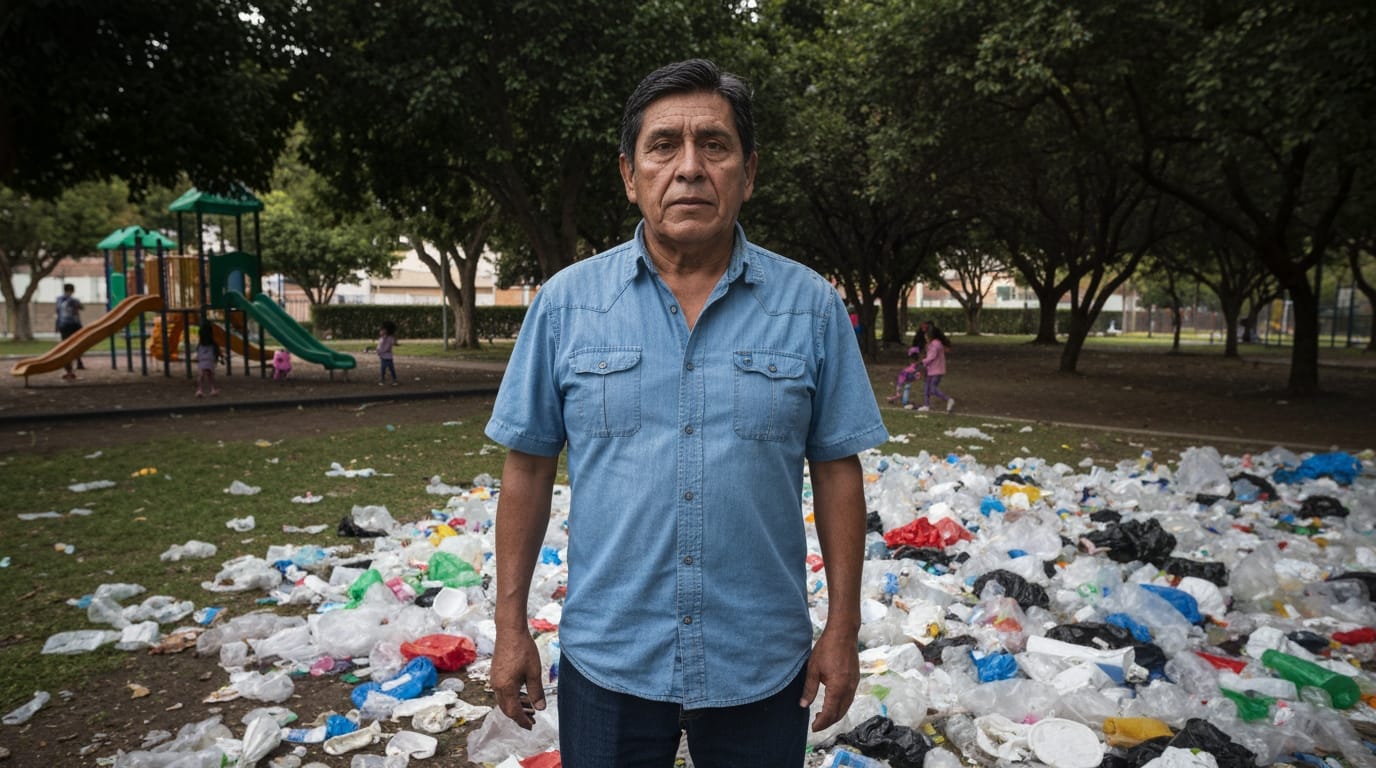
Despite widespread implementation of plastic bans across cities and nations, the persistent tide of plastic pollution continues to rise, revealing the limitations of single-policy solutions. What began as a hopeful environmental strategy has often encountered a complex interplay of economic realities, unintended consequences, and the sheer ubiquity of plastic, necessitating a fundamental rethinking of how humanity addresses this pervasive environmental crisis. The effectiveness of these bans is frequently undermined by a lack of suitable alternatives and challenges in enforcement, pointing towards a need for more comprehensive, systemic changes rather than isolated prohibitions.
The Promise and Pitfalls of Prohibition
Governments and municipalities worldwide have increasingly turned to bans on single-use plastics, particularly plastic bags, in an effort to curb pollution. More than 100 countries have implemented or proposed such restrictions, driven by the visible environmental degradation caused by plastic waste in landfills and oceans. Initial reports from some areas have suggested success, with charges on plastic bags in UK supermarkets leading to a 98% decrease in usage. Similarly, bans in New Jersey, Philadelphia, and Portland are credited with preventing billions of plastic bags from entering the waste stream. However, numerous studies indicate that the overall impact of these bans is often limited, and in some cases, counterproductive. A 2021 study revealed limited success for plastic bag bans, largely due to the absence of government-endorsed suitable alternatives.
The primary objective of reducing plastic waste is frequently undermined by the complexities of consumer behavior and market dynamics. When plastic bags are banned, consumers often turn to other options. This "leakage" phenomenon sees a significant increase in the purchase of plastic trash bags, as households previously repurposed shopping bags for waste disposal. Research on California's bag bans between 2007 and 2015 showed a 40-million-pound annual reduction in disposable shopping bag use, but this was offset by an almost 12-million-pound increase in trash bag purchases, negating nearly 29% of the environmental benefit. This shift is not confined to California; New Jersey's plastic consumption reportedly tripled after its 2022 ban, with consumers switching to non-woven polypropylene bags that use 15 times more plastic and are not widely recycled. Even California saw record-high plastic waste levels following its ban.
Unintended Consequences and Economic Realities
The ripple effects of plastic bans extend beyond simple material substitution, often creating significant economic and social challenges. The plastic manufacturing industry can face substantial impacts, including job losses and financial strain. For example, in Kenya, the implementation of bans led to an estimated 60-90% job loss within the plastic manufacturing sector. Retailers also bear increased costs for alternative carryout bags, which can range from 40% to 200% higher, impacting profitability and potentially leading to reduced sales as consumers seek out stores without such restrictions. Small businesses, in particular, may struggle with these added expenses, which can also be passed on to consumers.
Furthermore, the alternatives themselves are not without environmental or health trade-offs. Paper bags, while biodegradable, often have a higher carbon footprint due to energy-intensive manufacturing and raw material sourcing linked to deforestation. Reusable bags, often promoted as the ideal solution, pose their own set of concerns. If not regularly washed, these bags can harbor bacteria, leading to potential health risks. In one instance, a reported 12 deaths in San Francisco were linked to E-coli from unwashed reusable bags. These issues highlight a critical gap in policy implementation: the failure to provide or endorse truly sustainable, hygienic, and economically viable alternatives alongside the bans.
The Systemic Roots of Plastic Pollution
The limited effectiveness of plastic bans underscores a deeper truth: plastic pollution is a systemic problem requiring systemic solutions. Bans often target single-use consumer items, such as bags and straws, which represent only a fraction of the overall plastic waste challenge. For instance, fishing nets alone account for 46% of the Great Pacific Garbage Patch, highlighting that industrial and commercial plastics are major contributors, often overlooked by consumer-focused bans.
A significant hurdle is the lack of robust waste management and recycling infrastructure, particularly in developing nations where much of the world's plastic waste originates. Poor infrastructure means that even recyclable materials end up in landfills or the environment. Many bio-based or compostable alternatives to traditional plastics, while seemingly eco-friendly, require specific industrial composting facilities that are not widely available, meaning they behave like conventional plastics when sent to typical landfills. This infrastructural deficit, combined with a lack of consistent certification and labeling standards for alternatives, creates confusion and undermines efforts to manage plastic waste effectively.
Another critical aspect is the absence of Extended Producer Responsibility (EPR). Historically, the burden of plastic waste management has fallen on taxpayers and local governments. However, a growing consensus points to the need for producers to take responsibility for the entire lifecycle of their products, from design to end-of-life collection and recycling. Without this accountability, there's little incentive for manufacturers to innovate in design or invest in sustainable materials.
Forging a Path Forward: A Circular Economy and Beyond
True progress in combating plastic pollution necessitates moving beyond simple prohibitions toward a holistic, multi-faceted approach centered on the principles of a circular economy. This involves designing out waste, keeping materials in use, and regenerating natural systems.
Key to this transformation is the widespread adoption of Extended Producer Responsibility (EPR) policies. EPR shifts the financial and operational responsibility for managing plastic waste from municipalities to the producers of plastic products and packaging. This incentivizes manufacturers to design products that are more durable, reusable, and recyclable, fostering innovation in sustainable packaging and materials. Several states in the U.S. and many European countries are already implementing or developing EPR programs, which have the potential to significantly increase recycling rates and reduce ocean plastic waste.
Alongside EPR, significant investment in improved recycling infrastructure and technology is crucial. This includes expanding access to collection services, enhancing sorting capabilities, and developing advanced recycling methods, such as chemical recycling, that can process complex plastics traditional mechanical recycling cannot handle. Such advancements can convert today's non-recycled plastics into new raw materials, closing the loop on plastic production.
Innovation in sustainable materials and reuse systems is also vital. This means not just finding alternatives, but ensuring they are truly sustainable across their lifecycle, considering factors like production impact, durability, and end-of-life disposal. Examples include certified compostable bags, plant-based bioplastics, and even edible packaging derived from seaweed. Furthermore, promoting and facilitating widespread reuse systems – from refillable containers to durable, long-lasting products – is essential to drastically reduce the demand for single-use items.
Finally, sustained consumer education and international cooperation are indispensable. Educating the public on proper recycling practices, the benefits of reusable alternatives, and the broader impacts of plastic consumption can drive behavioral change. On a global scale, international agreements are needed to standardize definitions, promote shared infrastructure development, and establish robust monitoring mechanisms to address plastic pollution effectively across borders.
In conclusion, while plastic bans serve as a critical initial step in raising awareness and signaling intent, they are merely one piece of a much larger puzzle. To truly mitigate the global plastic crisis, a comprehensive strategy is required—one that integrates robust producer responsibility, advanced recycling technologies, sustainable material innovation, a strong commitment to reuse, and coordinated efforts between governments, industries, and consumers worldwide. Only through such a holistic and integrated approach can the promise of a future free from plastic pollution be realized.