"Blue Dot Fever" Sweeps Concert Industry, Forcing Tour Adjustments and Reshaping Live Music Landscape
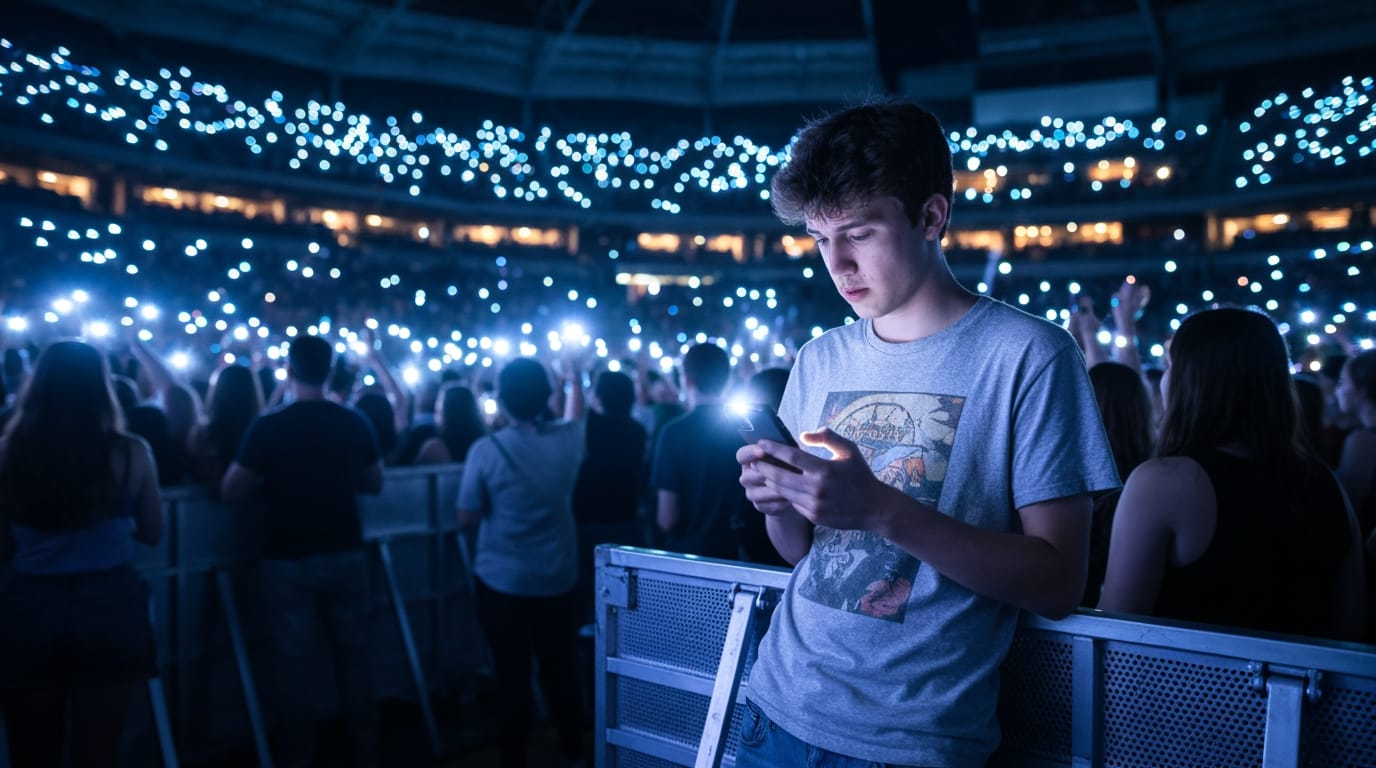
The vibrant landscape of live music is currently grappling with a concerning phenomenon dubbed "blue dot fever," a term that has rapidly entered the lexicon of music fans and industry insiders. Characterized by swathes of unsold seats visible as blue dots on online ticketing platforms, this trend is signaling a significant shift in the economics and consumer behavior surrounding concerts, leading to tour cancellations and strategic reassessments by artists and promoters alike. What began as a social media observation has evolved into a tangible challenge, compelling the industry to confront issues of affordability, venue scale, and sustainable touring models.
The Anatomy of a New Ailment
"Blue dot fever" refers directly to the visual representation of available, unsold tickets on digital seating charts, typically displayed as blue dots. This visual has become a stark indicator of an artist's struggle to fill venues, particularly for large-scale tours. The phrase is believed to have originated among music fans and industry observers on social media platforms like TikTok and X, before gaining traction among media experts and journalists. Recent months have seen a growing number of prominent artists, including The Pussycat Dolls, Post Malone, and Meghan Trainor, announcing tour adjustments or outright cancellations, with speculation mounting that "blue dot fever" was a contributing factor, even when artists cited other reasons publicly.
The appearance of numerous blue dots on a seating chart signals weak ticket sales as an event approaches. While the phenomenon is most commonly linked to the music industry and low concert attendance, it has also been observed in other live events, including sports. An empty seat represents more than just a lost ticket sale; it diminishes the atmosphere of an event, impacting the collective energy that drives both artist performance and fan experience. Furthermore, partially filled venues result in lower concession and merchandise sales, affecting the overall profitability for venues and promoters.
Economic Undercurrents Fueling the Fever
Several interconnected economic factors are widely believed to be fanning the flames of "blue dot fever." Foremost among these is persistent inflation, which has prompted consumers to curb discretionary spending, with live entertainment often being among the first budget items to be cut. The cost of attending a major live event has become increasingly inaccessible for a large segment of the population, creating a significant financial barrier despite continued demand for the experience.
Ticket prices themselves are a major point of contention. The average ticket price increased significantly from £71 in 2019 to a peak of £100 in 2024. This surge is attributed to factors like dynamic pricing, where ticket costs fluctuate based on demand, and rampant scalping by resellers. The dominance of a few major players in the industry, such as Live Nation, which controls various revenue streams from ticketing to concessions, parking, and service fees, also contributes to the elevated costs for consumers.
Beyond ticket prices, the escalating cost of touring is another critical component. Energy prices, particularly for fuel, are making it more expensive to transport equipment and personnel, thinning already tight profit margins for artists and promoters. Even for tours that manage to sell out, profitability is not guaranteed. For example, a band that sold out 10 out of 11 shows in North America, grossing over $127,000, still ended up in the red after accounting for costs like commissions, taxes, visa fees, and unexpected expenses. This financial strain suggests that even successful tours are operating on increasingly precarious margins.
The Venue Dilemma and Artist Adaptations
The conversation around "blue dot fever" has brought into sharp focus the strategic decisions made regarding venue sizing. Industry experts suggest that some artists are being booked into venues that are simply too large for their current level of demand. This can be driven by agents and promoters seeking larger paydays, rather than a realistic assessment of an artist's drawing power. When a venue is oversized, the presence of numerous empty seats can undermine the concert experience, making the "hype seem bigger than the act."
The result is a wave of tour date adjustments, delays, or outright cancellations. While some artists may cite personal reasons for these changes, industry observers frequently link these decisions to underwhelming ticket sales. Promoters and managers are increasingly running profit and loss projections, leading them to trim dates, downsize venues, or, in extreme cases, cancel entire tours when faced with the prospect of significant losses. The Pussycat Dolls, for instance, announced a North American tour cancellation after "taking an honest look" at the run.
This situation presents a complex challenge for artists. While top-tier acts like Harry Styles and Ariana Grande continue to draw strong crowds, many other artists, particularly those banking on nostalgia or those operating below the absolute pinnacle of fame, are finding it harder to consistently fill large arenas.
Shifting Fan Behavior and Industry Response
The emergence of "blue dot fever" does not necessarily indicate a complete disappearance of demand for live events. Rather, it highlights a recalibration of consumer priorities and a growing sensitivity to pricing. People still crave shared experiences, live music, and memorable nights out. However, the current economic climate dictates that these experiences must be perceived as offering good value.
The industry is beginning to recognize the need for a more nuanced approach. This includes a re-evaluation of pricing strategies, venue selection, and audience targeting. Booking artists into venues they can realistically fill, even if it means smaller capacities or more dates, could create a more vibrant atmosphere and a more sustainable touring model. Creating opportunities for new audiences to attend, perhaps through allocated tickets, can also foster future loyalty.
While "blue dot fever" has dominated recent discussions, Live Nation, a major player, reported that less than 1% of their scheduled shows for the year have been canceled, suggesting that 2026 is still shaping up to be a strong year for concert sales. This indicates that while the fever is real for certain artists and tours, the overall demand for live music remains robust, underscoring the importance of strategic planning in a dynamic market.
Conclusion
"Blue dot fever" serves as a potent symptom of broader economic pressures and evolving market dynamics within the live music industry. It is not merely a superficial trend but a reflection of inflation, soaring ticket prices, the increasing costs of touring, and, at times, an imbalance between artist popularity and venue scale. The sight of numerous blue dots on a ticketing website signals a critical juncture for artists, promoters, and venues, urging them to adapt to changing consumer behavior and economic realities. While demand for live music endures, the conversation around "blue dot fever" underscores the imperative for a more strategic, accessible, and sustainable approach to bringing artists and their fans together. Addressing these challenges will be crucial in ensuring the continued vitality and accessibility of the live music experience for years to come.