Bob Marley: The Enduring Legacy of a Human Rights Icon
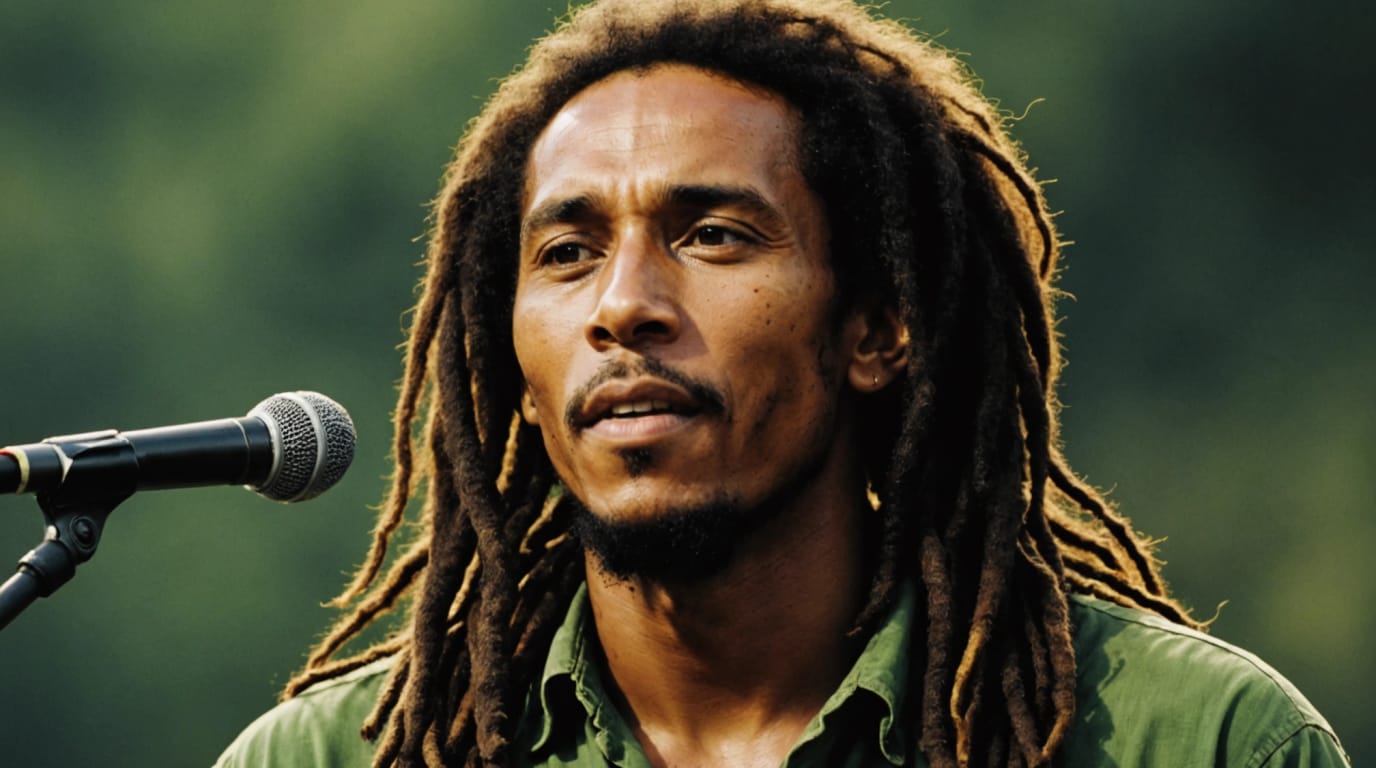
Bob Marley, the "King of Reggae," remains a global icon decades after his death, not only for his groundbreaking music but also for his powerful advocacy for human rights, social justice, and unity. His songs transcended mere entertainment, becoming anthems of liberation and resistance that continue to inspire movements for change worldwide. Marley's message of love, peace, and equality resonated deeply with people from diverse backgrounds, solidifying his place as a symbol of hope and a champion for the oppressed.
From Trench Town to the World Stage
Born Robert Nesta Marley in 1945 in Nine Mile, Jamaica, his early life was marked by poverty and struggle, experiences that profoundly shaped his worldview and musical style. He began his musical journey in the streets of Trench Town, a Kingston ghetto often dubbed the birthplace of reggae. With his band, The Wailers, Marley blended traditional Jamaican music with blues and other influences, creating the unique sound that would captivate the world. Before Marley, reggae was largely confined to Jamaica. His success on the international stage opened doors for reggae music, influencing countless artists across various genres and embedding Jamaican culture in the global consciousness. Albums like "Exodus," "Legend," and "Rastaman Vibration" are hailed as masterpieces, each contributing to his global impact. Songs such as "No Woman, No Cry," "One Love," and "Redemption Song" became anthems of the struggle for justice and unity.
The Voice of the Voiceless
Marley's music served as a powerful form of activism, addressing themes of racial equality, economic justice, and spiritual awakening. His lyrics spoke of liberation, resistance, and hope, aligning with the ideals of the Rastafarian movement, which he passionately embraced. Songs like "Get Up, Stand Up" and "Buffalo Soldier" directly confronted oppression and celebrated the quest for freedom. His music was more than just catchy tunes; it was filled with powerful messages about peace, love, freedom, and the fight against injustice. Marley's ability to address complex issues with simplicity and emotional depth helped his music resonate with a diverse audience.
A Catalyst for Social Change
Marley's impact extended far beyond the realm of music. His songs became rallying cries for social justice, freedom, and human rights, inspiring individuals to stand up for their rights and unite for change. "Get Up, Stand Up," for example, has been adopted by various human rights campaigns. His music played a significant role in the anti-apartheid movement in South Africa, where songs like "War" and "Africa Unite" inspired activists and brought international attention to the struggle for freedom and equality. In 1978, Marley organized the One Love Peace Concert in Kingston, Jamaica, bringing together rival political leaders in a call for unity and an end to political violence. This event showcased his commitment to peace and his ability to use his music to bridge divides.
Global Ambassador and Cultural Icon
Beyond his activism, Marley served as an unofficial ambassador for Jamaica, introducing the world to Jamaican music, culture, and the Rastafarian faith. His iconic style, marked by dreadlocks, colorful attire, and a laid-back demeanor, became symbolic of the Rastafarian movement and the broader counterculture of the 1970s. Marley's message transcended cultural and racial boundaries, uniting people worldwide. He was the first popular musician from a developing country to hit the global stage. In 1980, he took his message of conciliation on the road, performing at Zimbabwe's independence ceremony and elsewhere around the world.
An Enduring Legacy
Bob Marley's legacy continues to inspire and influence artists, activists, and individuals around the world. His music remains timeless, transcending age, race, and geography. His themes of love, unity, and social justice are as relevant today as they were during his lifetime. Artists from various genres cite Marley as a major influence, drawing on his commitment to using music as a force for change. Marley's music was never recognized with a Grammy nomination but in 2001 he was bestowed The Grammy Lifetime Achievement Award. Since its release in 1984, Marley's “Legend” compilation has annually sold over 250,000 copies according to Nielsen Sound Scan, and it is only the 17th album to exceed sales of 10 million copies since SoundScan began its tabulations in 1991.
Bob Marley's journey from the streets of Trench Town to becoming a global icon is a testament to his enduring legacy of love, unity, and resistance against oppression. His music continues to serve as a beacon of hope, reminding people of the power of music to inspire change and the importance of fighting for a more just and equitable world. As "Bob Marley: One Love" brings his story to new audiences, Marley's message remains as relevant today as ever, proving the timeless nature of his work.