Bong Joon-ho's 'Mickey 17' Arrives as a Darkly Comic Commentary on a Polarized Era
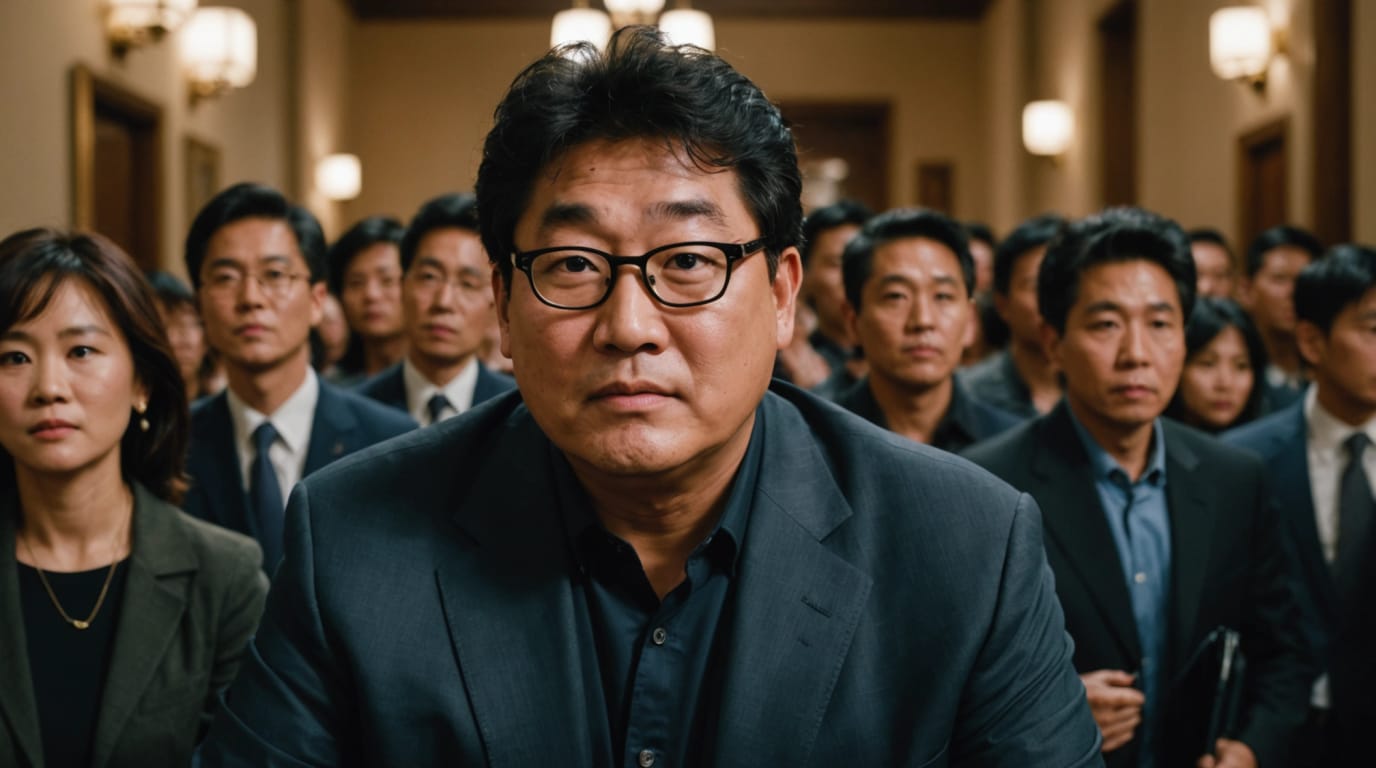
Bong Joon-ho, the acclaimed director of the Oscar-winning film "Parasite," is back with "Mickey 17," a science fiction black comedy that arrives in theaters Friday, March 7, after multiple delays. Set in a dystopian future, the film, starring Robert Pattinson, explores themes of corporate greed, religious extremism, and the expendability of human life, all while drawing parallels to contemporary political and social issues.
A Bleak Vision of the Future
"Mickey 17" paints a grim picture of Earth in the near future, ravaged by environmental disaster and social inequality. To escape their debts, individuals sign up to become "Expendables" on long-haul space missions. These Expendables, like Mickey Barnes (played by Robert Pattinson), are essentially clones designed for dangerous and potentially fatal tasks. Each time they die, they are reborn from a 3D bioprinter, retaining the memories of their previous lives.
The film follows Mickey as he navigates the harsh realities of his existence on the alien colony Niflheim. His best friend, Timo (Steven Yeun), readily leaves him to die in one instance, highlighting the devalued nature of life in this corporatized future. The story delves into the circumstances that led Mickey to become an Expendable, revealing a world where individuals are reduced to mere commodities.
Political Undertones and Social Commentary
Many critics have interpreted "Mickey 17" as a commentary on the current political climate, particularly the rise of populism and authoritarianism. The film features a failed politician who launches a spaceship stocked with devoted followers, who wear distinctive red headwear branded with political slogans, in the hopes of creating a "pure planet" in the stars. This imagery has drawn comparisons to former President Donald Trump and his supporters.
The film also explores themes of anti-capitalism and the feeling of worthlessness in a world driven by profit. Through its dark humor and exaggerated characters, "Mickey 17" critiques the values of a society that prioritizes economic gain over human dignity.
Pattinson's Dual Role
Robert Pattinson delivers a standout performance as both Mickey 17 and Mickey 18. He portrays Mickey 17 as a "whimpering Steve Buscemi type" and Mickey 18 as a "surly, classic-era" Robert De Niro. The accidental creation of Mickey 18 before Mickey 17's death forces the two clones to coexist, adding another layer of complexity to the story.
Pattinson's ability to embody these distinct versions of the same character has been praised by critics, who consider him to be the film's strongest draw. His portrayal captures the essence of the expendable worker drone, highlighting the psychological toll of repeated deaths and rebirths.
A Divisive but Thought-Provoking Film
"Mickey 17" has been described as a "deeply depressing comedic experience" and a "nihilistic sci-fi comedy." While some critics have found the film's symbolism heavy-handed and its character drama lacking, others have praised its sharp satire and thought-provoking themes.
The film's bleak outlook and lack of traditional heroes may not appeal to all audiences. However, its exploration of timely social and political issues, combined with Bong Joon-ho's signature style, makes it a film that is sure to spark conversation and debate.
Bong Joon-ho's Return
"Mickey 17" marks Bong Joon-ho's return to filmmaking after his global success with "Parasite." The film showcases his ability to blend genres, create compelling characters, and deliver incisive social commentary. While "Mickey 17" may be a departure from the more grounded realism of "Parasite," it retains the director's signature wit and willingness to tackle complex themes.
Whether "Mickey 17" will achieve the same level of critical acclaim and commercial success as "Parasite" remains to be seen. However, the film's timely themes and Bong Joon-ho's reputation as a visionary filmmaker make it a must-see for fans of science fiction, black comedy, and social satire.