Border Czar Deployed to Minneapolis Amid Rising Tensions and Fatal Incidents
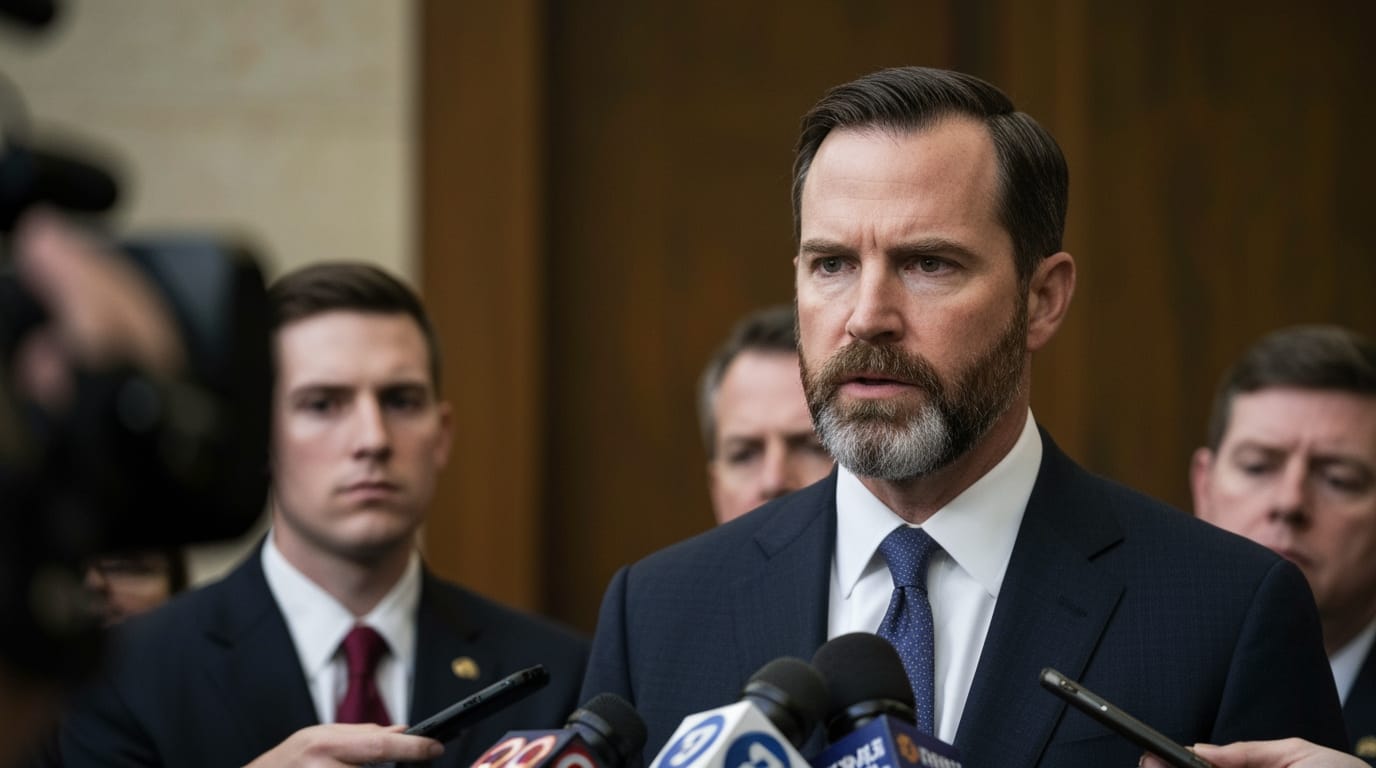
MINNEAPOLIS, MN – In a dramatic escalation of federal immigration enforcement, President Donald Trump's "border czar," Tom Homan, has been deployed to Minneapolis with a mandate to "regain law and order" following weeks of intense protests and the controversial fatal shootings of two U.S. citizens by federal agents. Homan’s arrival on Thursday, January 29, 2026, marks a pivotal moment in the administration's nationwide immigration crackdown, bringing the politically charged debate to the streets of a major American city grappling with an unprecedented federal presence. The situation has ignited a firestorm of criticism from state and local officials, who are challenging the legality and tactics of the federal operation in court, even as the White House insists on local cooperation to de-escalate the crisis.
Operation Metro Surge Ignites Controversy
The roots of the current crisis in Minneapolis trace back to December 2025, with the launch of "Operation Metro Surge," an initiative by the U.S. Department of Homeland Security (DHS) that saw the deployment of thousands of federal immigration agents, primarily from Immigration and Customs Enforcement (ICE) and Customs and Border Protection (CBP), to the Twin Cities. This operation, described by local officials as an "unprecedented deployment," was ostensibly aimed at addressing fraud and enhancing immigration enforcement. However, its implementation quickly drew widespread condemnation for what critics termed aggressive tactics and militarized raids in public spaces, including schools and hospitals.
Federal agents involved in Operation Metro Surge have been accused of brazenly using excessive force and creating an atmosphere of fear throughout Minneapolis and Saint Paul. The presence of thousands of armed and masked agents, a number exceeding the combined sworn police officers of both cities, prompted the Minnesota Attorney General, Keith Ellison, along with the cities of Minneapolis and Saint Paul, to file a federal lawsuit. The lawsuit, initiated in January 2026, seeks an immediate restraining order to end the surge, arguing that the federal actions are unconstitutional and unlawful, violating the First and Tenth Amendments, and straining local resources. Concerns were also raised by a separate federal judge who blocked another Trump administration initiative, "Operation PARRIS," which aimed to re-examine the cases of 5,600 refugees in Minnesota and detain those suspected of fraud. This judicial intervention highlighted the legal challenges confronting the federal government's expansive enforcement efforts in the state.
Fatal Encounters Fuel Public Outcry
The already tense situation reached a critical breaking point with the fatal shootings of two U.S. citizens by federal immigration agents. Renee Macklin Good, a mother, was killed on January 7, 2026, during an immigration operation, and Alex Pretti, a 37-year-old ICU nurse, was fatally shot on January 24, 2026, while reportedly intervening to assist a woman during a protest. These incidents triggered widespread protests, further intensifying the backlash against the federal presence. Initial federal claims describing both Pretti and Good as violent threats have been disputed by eyewitness accounts and video evidence, leading to increased calls for accountability.
The deaths have drawn national attention and prompted a severe political fallout. Homeland Security Secretary Kristi Noem faces mounting calls for her resignation, with nearly 150 lawmakers backing an impeachment effort. The families of both victims have retained high-profile legal representation, including attorneys involved in the George Floyd case, signaling a protracted legal battle ahead. In response to the escalating crisis, the White House announced a shift in enforcement tactics. An internal directive reportedly instructed ICE officers in Minnesota to avoid engaging with "agitators" and to specifically target individuals with a "criminal history," utilizing megaphones to verbalize arrest processes. This directive marks a significant departure from the broader, more aggressive sweep tactics previously employed. Amid the turmoil, Gregory Bovino, the Border Patrol chief who had been leading the initial surge and fiercely defended his agents' actions, is expected to depart Minnesota, a move some see as an attempt to de-escalate tensions.
Federal Mandate Meets Local Resistance
President Trump's decision to dispatch Tom Homan, his designated "border czar," to Minnesota underscores the administration's resolve to assert federal authority over immigration enforcement. Homan, appointed to the informal yet influential role in 2025, has a mandate to oversee and coordinate policies related to immigration and border security, including deportation. The White House outlined a three-step plan for Minnesota to "restore law and order," demanding that state and local officials transfer all "criminal illegal aliens" to federal authorities, require local police to assist in apprehending and detaining individuals sought by federal agents, and agree to hand over undocumented individuals arrested by local police. The administration indicated that if these measures were implemented, the extensive CBP support for ICE in Minnesota would no longer be necessary.
However, this federal directive faces strong resistance from Minnesota's leadership. Governor Tim Walz and Minneapolis Mayor Jacob Frey have expressed concerns, though initial reports from Monday indicated a "more collaborative tone" from President Trump, suggesting a willingness to consider reducing the number of federal agents. Despite Homan's assurances of a shift towards more "targeted enforcement," he emphasized that federal operations would continue until "the problem's gone" and reiterated the administration's commitment to targeting "public safety threats and national security threats." Homan also placed blame for the recent escalations on the previous administration and local policies, arguing that increased cooperation would lead to less public outrage. This dynamic highlights the ongoing tension between federal immigration policy and the sanctuary city movement, which typically limits local cooperation with ICE.
Broader Political Landscape and Future Outlook
The situation in Minnesota serves as a microcosm of the larger national debate surrounding immigration enforcement, federal overreach, and states' rights. The Trump administration's intensified crackdown on unauthorized immigration, a key promise from his 2025 campaign, has been characterized by a rapid increase in the number of federal agents and the budget for the Department of Homeland Security. Critics argue that these aggressive policies have led to widespread civil rights concerns and eroded trust between immigrant communities and law enforcement. The White House, conversely, has attributed the unrest to "deliberate and hostile resistance by Democrat leaders," accusing them of spreading misinformation and hindering federal efforts.
The federal deployment in Minnesota has also drawn the attention of national lawmakers. Senate Democrats have threatened to block legislation funding the Department of Homeland Security and other agencies unless new restrictions are placed on President Trump's immigration enforcement surges. Senate Democratic leader Chuck Schumer specifically called for ICE to be "reined in and overhauled" and for President Trump to withdraw agents from Minnesota, suggesting the issue could lead to a partial government shutdown. As Tom Homan takes the reins in Minnesota, his mission to restore "law and order" is intertwined with complex legal battles, profound public grief, and a deeply polarized political environment. The outcomes of the federal-state standoff in Minnesota are likely to have significant implications for immigration policy and federal-state relations across the nation.
A Nation Watches Minnesota
The deployment of border czar Tom Homan to Minnesota marks a critical juncture in the Trump administration's aggressive immigration enforcement agenda, directly confronting a state already reeling from controversial federal operations and fatal incidents. While Homan pledges a shift toward more targeted enforcement and calls for local cooperation, the underlying tensions persist. The ongoing legal challenges from Minnesota's attorney general and cities, coupled with the profound impact of the recent shootings on communities, ensure that the path to "regaining law and order" will be fraught with further legal and political battles. The eyes of the nation remain fixed on Minnesota as this high-stakes standoff continues to unfold, shaping the future of immigration enforcement and federal-state dynamics.


