Bosnia Issues International Arrest Warrant for Milorad Dodik Amid Separatist Actions
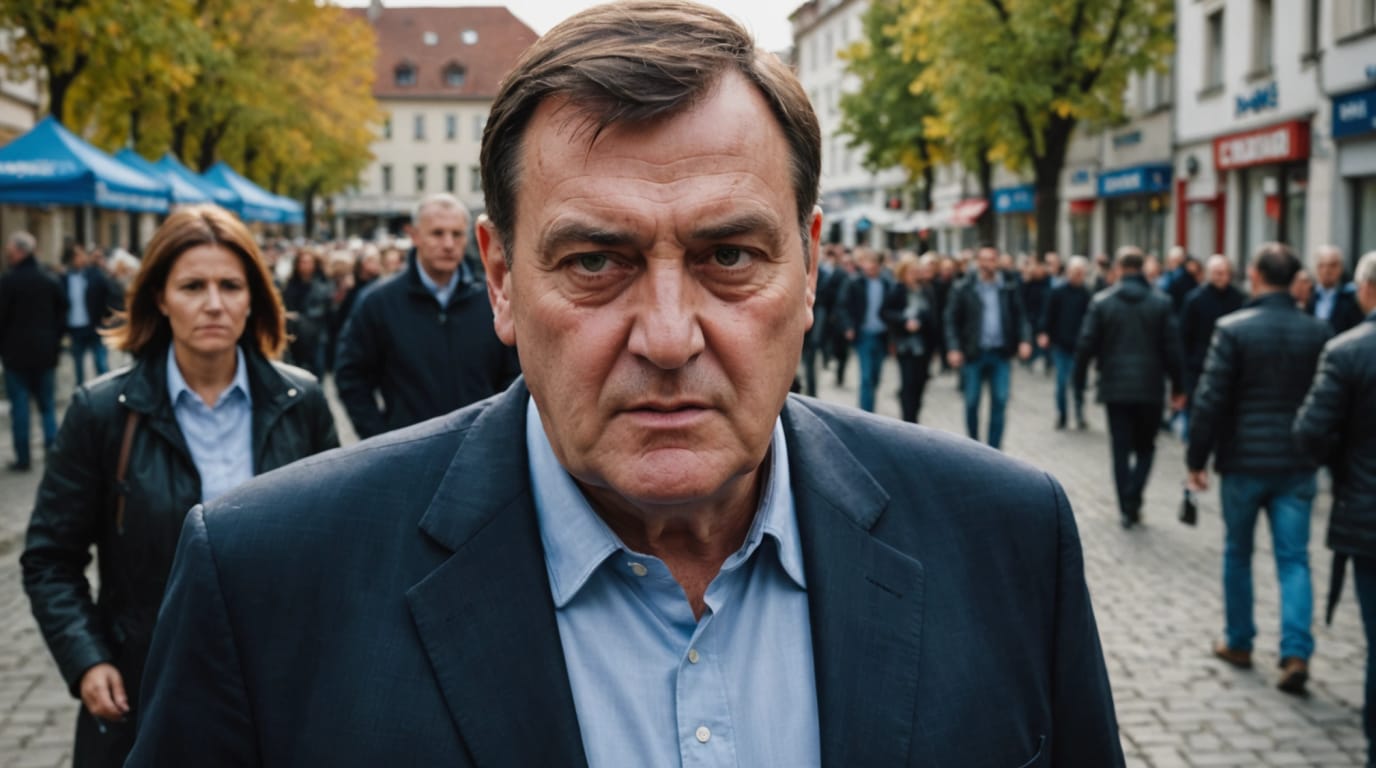
Bosnian authorities have issued an international arrest warrant for Milorad Dodik, the leader of the Bosnian Serbs, escalating the ongoing political crisis in the Balkan nation. The warrant, issued Wednesday, accuses Dodik of undermining the constitutional order and defying court orders, further stoking fears of instability in the region. The move comes as Dodik is currently in Israel attending an international conference on antisemitism, adding a layer of diplomatic complexity to the situation.
Charges Stem From Challenging Central Authority
The charges against Dodik are rooted in legislation passed by the Republika Srpska (RS) parliament in late February. This legislation effectively prohibited the central judiciary and police from operating within the RS territory, a move deemed illegal by Bosnian authorities. Dodik, the President of Republika Srpska, has refused to comply with summons for questioning by the State Prosecutor, citing a perceived risk of arrest. He is also accused of crossing the border into Serbia and then traveling to Israel while under a national arrest warrant, avoiding standard border control procedures. An international arrest warrant has also been issued for Nenad Stevandic, the president of the RS Parliament, who briefly visited Serbia but has since returned to Bosnia.
Dodik's Separatist Rhetoric and Actions
Milorad Dodik has long been a controversial figure in Bosnia and Herzegovina. As the leader of the Serb-run half of Bosnia, he has repeatedly called for the separation of the RS from the rest of the country, fueling concerns about the potential for renewed conflict. His actions have been described as separatist and have drawn condemnation from Western powers. Dodik has faced sanctions from the United States and the United Kingdom for his destabilizing activities, but he has also enjoyed support from Moscow. In a recent speech to supporters, Dodik dared authorities to stop him, underscoring his defiance of the central government.
International Implications and Reactions
The issuance of the international arrest warrant has triggered a range of reactions. Serbian President Aleksandar Vucic has criticized the legal proceedings against Dodik, stating that Serbia would not arrest him. Meanwhile, Israeli officials reportedly informed Dodik that he was not welcome at the antisemitism conference, prompting him to leave the venue. The situation has also drawn attention to the controversial guest list of the conference, which included figures from far-right European parties, leading to withdrawals by high-profile invitees and criticism of the event's organizers. The warrants have been forwarded to Interpol for validation and potential enforcement.
Fears of Renewed Conflict
The current crisis is considered the most severe in Bosnia since the 1990s war, which resulted in the deaths of over 100,000 people. The conflict ended with a U.S.-brokered peace deal that created two entities, the Republika Srpska and the Bosniak-Croat Federation, bound by central institutions. However, tensions have persisted, and Dodik's actions have raised fears of renewed ethnic conflict. There have been concerns about potential clashes between police forces loyal to Dodik and Bosnian police forces, further exacerbating the already volatile situation. Experts warn that Dodik's moves to detach Republika Srpska from Bosnia's central institutions could be a prelude to a future unification with Serbia, a scenario that would likely destabilize the entire region.
A Precarious Future for Bosnia
The international arrest warrant for Milorad Dodik marks a significant escalation in the ongoing political crisis in Bosnia and Herzegovina. His defiance of the central government, coupled with his separatist rhetoric, has created a dangerous situation that threatens the stability of the country and the wider Balkan region. The coming days and weeks will be critical in determining whether the international community can effectively address the crisis and prevent a return to the violence and division that plagued Bosnia in the 1990s. The future of Bosnia and Herzegovina hangs in the balance as the nation navigates this latest challenge to its fragile peace.


