"Boycott USA!": Trump Tariffs Spark International Backlash Against US Goods
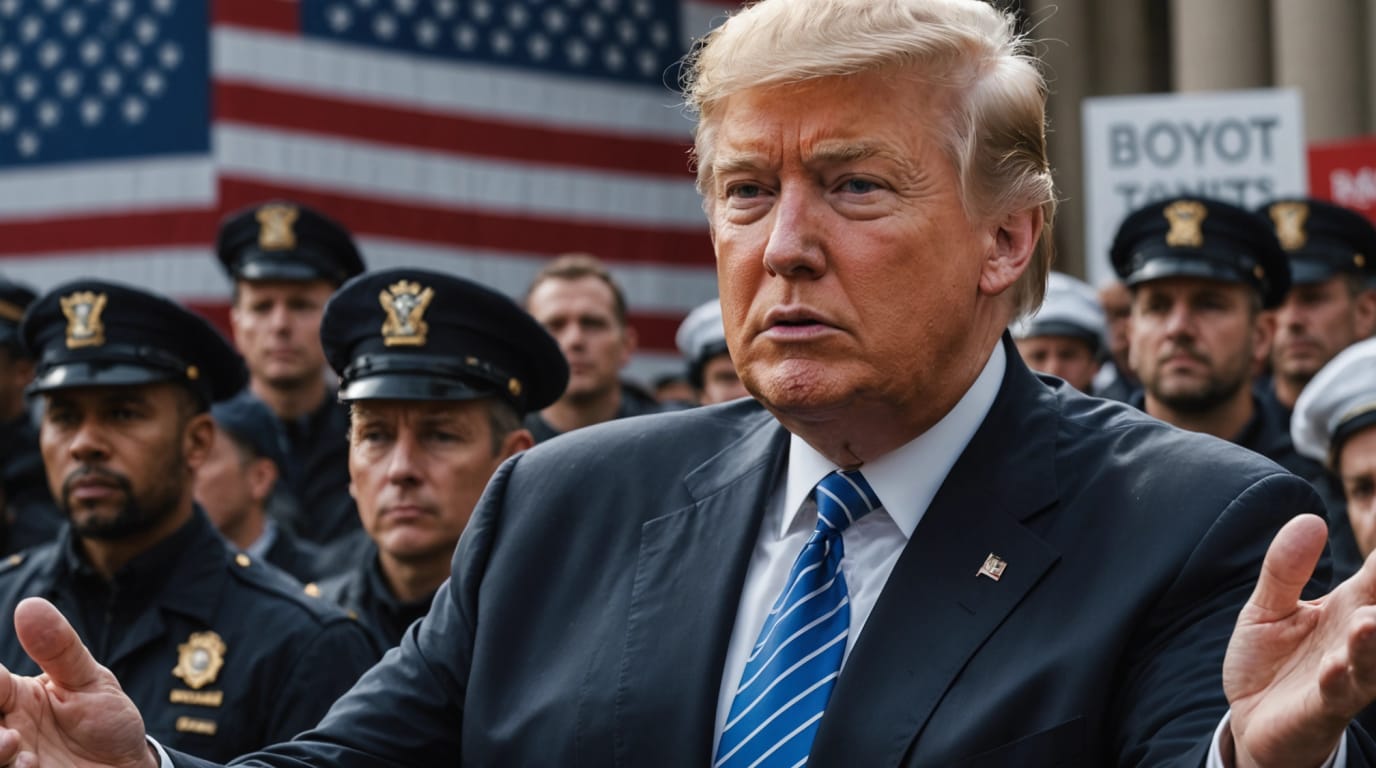
President Donald Trump's recent imposition of tariffs on goods from key trading partners has ignited a firestorm of international condemnation and a growing movement to boycott American products. The tariffs, aimed at bolstering domestic industries, are instead threatening to trigger a global trade war and are already impacting American businesses and consumers.
Retaliatory Tariffs and Trade Tensions
Trump's decision to impose tariffs of 25% on steel and aluminum imports, coupled with tariffs on goods from Canada, Mexico, and China, has been met with swift and decisive action from affected nations. The European Union, Canada, and Mexico have all announced retaliatory tariffs on billions of dollars worth of American goods. Canada, the largest foreign supplier of steel and aluminum to the United States, is imposing retaliatory tariffs on goods including steel, aluminum, computers, and sports equipment. The European Commission said it would impose counter tariffs on up to $28 billion of U.S. goods. These retaliatory measures are raising fears of an economic slowdown and threatening to increase prices for consumers worldwide.
The Rising Tide of Boycotts
Beyond government-imposed tariffs, a wave of consumer-led boycotts against American products is gaining momentum across the globe. In Canada, calls to boycott American products and halt trips to the U.S. are growing, fueled by Trump's tariffs and past suggestions that Canada could become America's 51st state. Statistics Canada reports a significant decline in Canadian road trips to the U.S., signaling a shift in consumer sentiment. Apps such as "Buy Beaver," "Maple Scan," and "Is This Canadian" are helping consumers identify and avoid U.S.-made goods.
The boycott movement extends beyond North America. In Sweden, a Facebook group urging consumers to avoid American products has attracted tens of thousands of members. Similarly, in Denmark, a "Boycott US Products" initiative has emerged in response to what it calls an "unfair trade offensive" by Washington. Social media platforms have become hubs for discussing practical ways to reduce dependence on American brands, with consumers switching to local alternatives.
Impact on American Businesses
The backlash against American goods is already impacting businesses, both large and small. Some Canadian small businesses are struggling with American products they can't sell, as customers increasingly choose locally-made alternatives. Tesla, once a dominant force in the electric vehicle market, is facing significant declines in European sales, partly attributed to CEO Elon Musk's ties to Trump. Japanese beverage giant Suntory Holdings anticipates a decline in global demand for American whiskey due to both tariffs and emotional consumer reactions to Trump's trade war.
The U.S. Travel Association warns that even a 10% reduction in Canadians visiting the U.S. could result in billions of dollars in lost spending and thousands of job losses, particularly in popular destination states.
Economic Consequences for the US
Economists warn that Trump's tariffs could have significant negative consequences for the U.S. economy. Tariffs on goods from Canada and Mexico could cost the average U.S. household hundreds of dollars per year. An analysis by the Tax Foundation found that the tariffs imposed on China, Canada, and Mexico could amount to an average tax increase of over $1,000 per U.S. household.
The tariffs could also lead to a decrease in U.S. GDP and job losses. The Tax Foundation estimates that the tariffs will reduce U.S. GDP by 0.4% and hours worked by hundreds of thousands of full-time equivalent jobs, before accounting for foreign retaliation. The Peterson Institute for International Economics projects that Trump's tariffs could result in a 0.4% GDP loss for the U.S., amounting to over $100 billion.
A Shift in Global Trade Dynamics
Trump's tariffs and the resulting backlash are contributing to a shift in global trade dynamics. Countries are reevaluating their reliance on American goods and exploring alternative trading partners. The rise of protectionist policies is creating uncertainty and instability in the global economy, potentially undermining decades of efforts to promote free trade and international cooperation.
The long-term consequences of this trade war remain to be seen, but it is clear that Trump's tariffs have triggered a significant backlash against American goods and are reshaping the landscape of international trade.
Conclusion: An Uncertain Future
The "Boycott USA!" movement and the retaliatory tariffs imposed by other nations represent a significant challenge to the American economy and its global standing. While the Trump administration argues that these measures are necessary to protect domestic industries and reclaim "stolen" wealth, the evidence suggests that they are more likely to harm American businesses, raise prices for consumers, and undermine international trade relations. As the trade war escalates, the future of global commerce remains uncertain, with the potential for long-term economic consequences for all involved.