Brazil Emerges as Key Player in Global Race for Rare Earths, Challenging China's Dominance
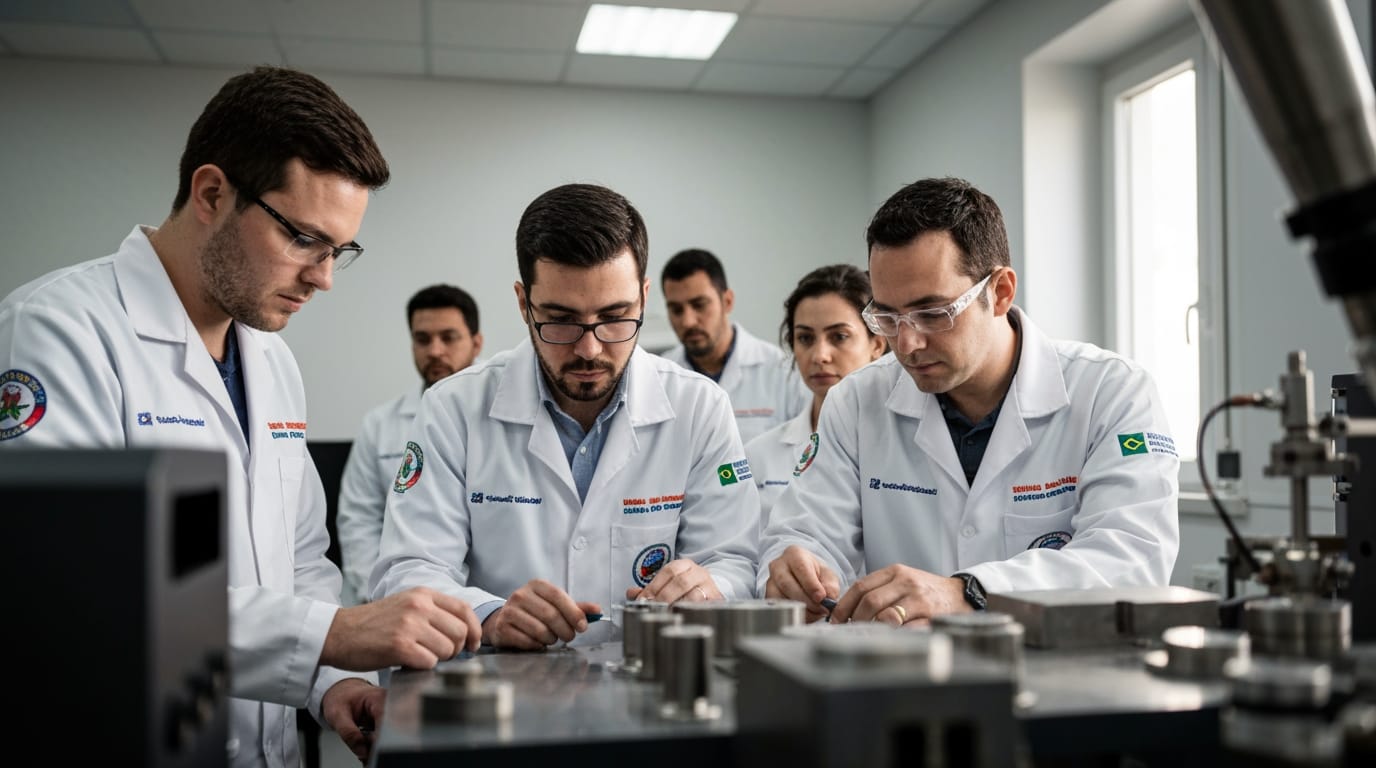
Brasília, Brazil – Brazil is rapidly positioning itself as a formidable contender in the global rare earth elements market, an arena long dominated by China. With vast, untapped reserves and significant new investments, the South American nation is poised to reshape critical supply chains for everything from electric vehicles to advanced defense systems. This strategic shift reflects a global imperative to diversify the sourcing of these indispensable minerals, which are crucial for the world's burgeoning high-tech and green energy industries.
The push to establish Brazil as a major rare earth producer comes at a time when geopolitical tensions highlight the vulnerabilities of an over-concentrated supply chain. For decades, China has maintained a near-monopoly, controlling an estimated 60% of global rare earth mining, over 85% of refining capacity, and more than 90% of permanent magnet production, according to recent reports. This dominance has given Beijing considerable economic and strategic leverage, prompting Western nations and corporations to seek alternative sources and reduce their reliance on a single foreign power. Brazil, possessing the world's second-largest rare earth reserves—estimated to be between 21 and 52 million tonnes, representing 20-23% of the global total—is now stepping into this void with newfound determination and international backing.
The Critical Importance of Rare Earths
Rare earth elements (REEs) are a group of 17 metallic elements vital for modern technology. Despite their name, many are not inherently rare in the Earth's crust, but their economically viable extraction and processing are complex. These elements are essential components in a wide array of products, including permanent magnets used in electric vehicle motors and wind turbines, catalysts for refining petroleum, advanced electronics like smartphones and tablets, and sophisticated military hardware. As the world accelerates its transition to cleaner energy and digital innovation, the demand for REEs is projected to surge. The global rare earth market, valued at approximately $14.03 billion in 2025, is forecast to reach $41.15 billion by 2034, exhibiting a compound annual growth rate (CAGR) of 12.32%. Demand for magnet rare earths alone is expected to increase by more than 30% by 2030, underscoring the urgency to diversify supply.
China's strategic control over rare earths extends beyond mining to the crucial downstream processing and manufacturing stages, creating significant bottlenecks outside its borders. The International Energy Agency (IEA) has highlighted that non-Chinese refining and magnet projects, even with current planned investments, would only meet about 25% of projected refining demand and less than 20% of magnet demand by 2035. This disparity underscores the severe challenge in decoupling from China's established infrastructure and expertise.
Brazil's Untapped Potential and Flagship Projects
For years, Brazil's vast rare earth deposits remained largely undeveloped, with the country accounting for only about 1% of global rare earth production despite holding substantial reserves. However, this is rapidly changing with the emergence of several promising projects. The Serra Verde project, located in the state of Goiás, stands out as Brazil's first integrated rare earth mine and the first large-scale producer outside Asia of critical rare earth elements such as dysprosium, terbium, neodymium, and praseodymium. These elements are particularly valuable for permanent magnets used in electric vehicles and wind turbines. Serra Verde commenced commercial production in early 2024 and aims to produce approximately 5,000 tons of rare earth oxides annually, with plans to ramp up to between 4,800 and 6,500 metric tons by early 2027.
The project's Pela Ema deposit utilizes ionic clay resources, a type of deposit predominantly found in southern China that is crucial for heavy rare earth extraction, offering a low-cost, low-impact mining method compared to hard rock deposits. Serra Verde has also attracted significant international investment, including up to $465 million in funding from the U.S. International Development Finance Corporation (DFC), reflecting a coordinated effort by Western nations to bolster alternative supply chains.
Beyond Serra Verde, other projects are also gaining traction. The CBMM Project in the Araxá Alkaline-Carbonatite Complex produces approximately 100 tons per month of rare earth hydroxides and bisulfates. Viridis Mining & Minerals' Colossus project in Minas Gerais, another ionic clay endeavor, recently produced its first batch of Mixed Rare Earth Carbonate from a demonstration facility and aims for commercial production by 2028, with pre-feasibility studies projecting substantial lifetime revenues. These developments are crucial in demonstrating Brazil's capability to deliver both light and heavy rare earth elements to global markets.
Navigating Challenges: Environmental, Social, and Industrial Hurdles
Despite Brazil's immense potential, the path to becoming a global rare earth powerhouse is not without significant obstacles. Environmental and social concerns rank high among these challenges. Rare earth mining, particularly from certain deposits like monazite, can involve naturally occurring radioactive materials such as thorium and uranium, requiring specialized waste management and posing potential environmental and health risks. The expansion of mining activities also raises fears among rural communities, including Indigenous peoples and quilombola communities, regarding land disputes, deforestation, and the impact on their traditional ways of life. Several states, including Bahia and Goiás, are experiencing an increase in mining applications, some targeting existing rural settlements.
Technological and infrastructural gaps also present hurdles. While Brazil has robust capabilities in mineral extraction, it lags in advanced processing technologies needed to refine raw rare earth concentrates into high-purity oxides and specialized compounds that command higher market value. Historically, even Brazilian-mined rare earths have been sent to China for final processing due to this lack of domestic capacity. Developing this downstream processing capacity requires substantial investment in technology, skilled labor, and infrastructure. Moreover, restrictive domestic financing policies and complex regulatory frameworks can deter local investment, often forcing companies to seek foreign backing, which can tie future output to international markets rather than fostering a domestic supply chain.
Strategic Implications and Future Outlook
Brazil's emergence in the rare earth sector holds profound strategic implications for global markets. By diversifying the supply of critical minerals, Brazil can help reduce the world's dependence on China, enhance supply chain resilience, and potentially stabilize prices. The U.S. government, through initiatives like DFC funding, is actively supporting Brazilian projects as part of its broader strategy to secure critical mineral supplies and reduce geopolitical risks.
The Brazilian government is actively supporting the sector, allocating funds for mineral projects and developing a national program for strategic minerals to identify deposits and reduce the country's import dependence. Efforts are underway to encourage domestic processing and foster partnerships among government, universities, and the private sector to build a more integrated supply chain. While Brazil faces a long road to fully capitalize on its reserves, with experts suggesting it could become a mid-sized producer supplying 5-7% of global mined output by the end of the decade, or even 15-20% by 2035 under optimistic scenarios, its strategic importance is undeniable.
Brazil's journey to become a significant rare earth power represents a critical juncture in the global energy transition and technological competition. Success will depend not only on overcoming the inherent technical and logistical challenges but also on implementing sustainable practices that balance economic development with environmental protection and social equity for affected communities. As the world seeks to secure the building blocks of its future technologies, Brazil's role is set to become increasingly central, promising a potential realignment of power in the global rare earths landscape.


