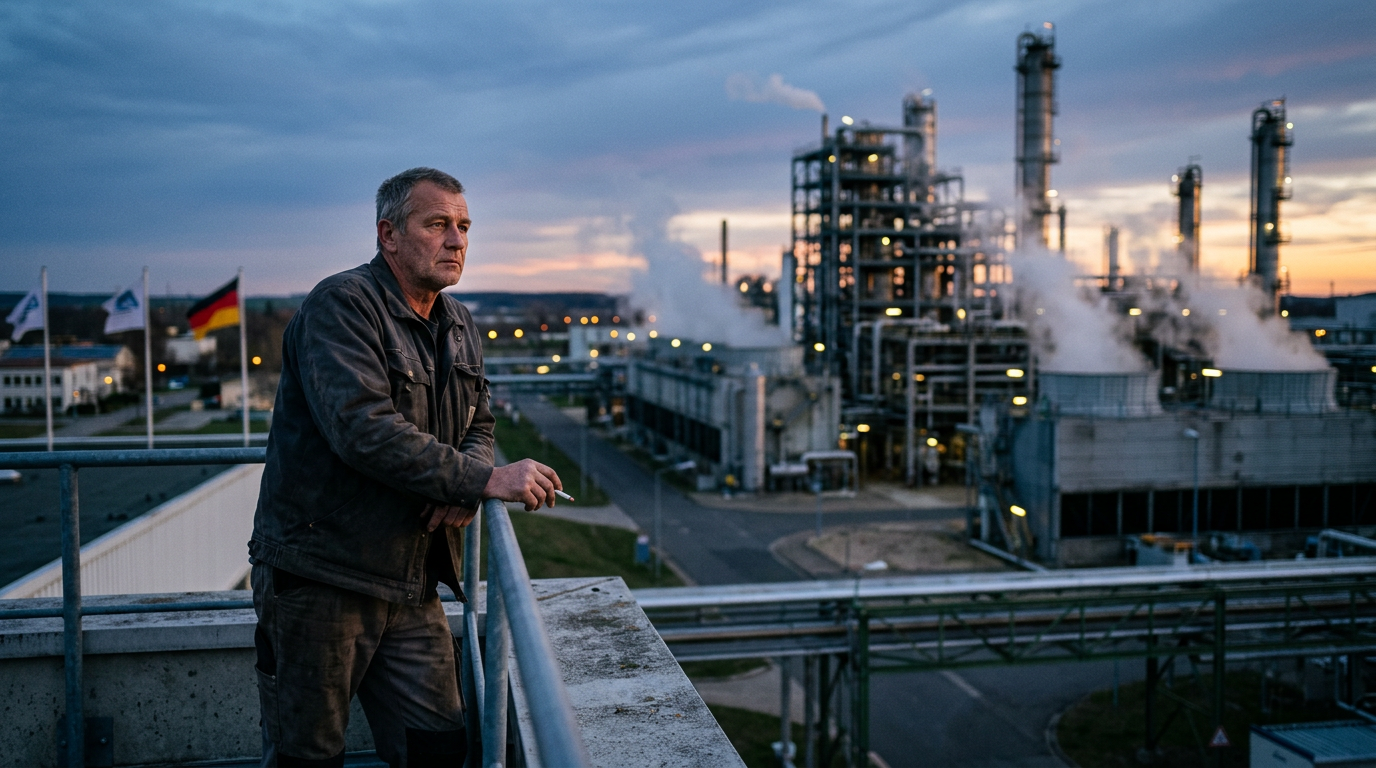
Bridging the Divide: The Imperative for a German-Polish Breakthrough
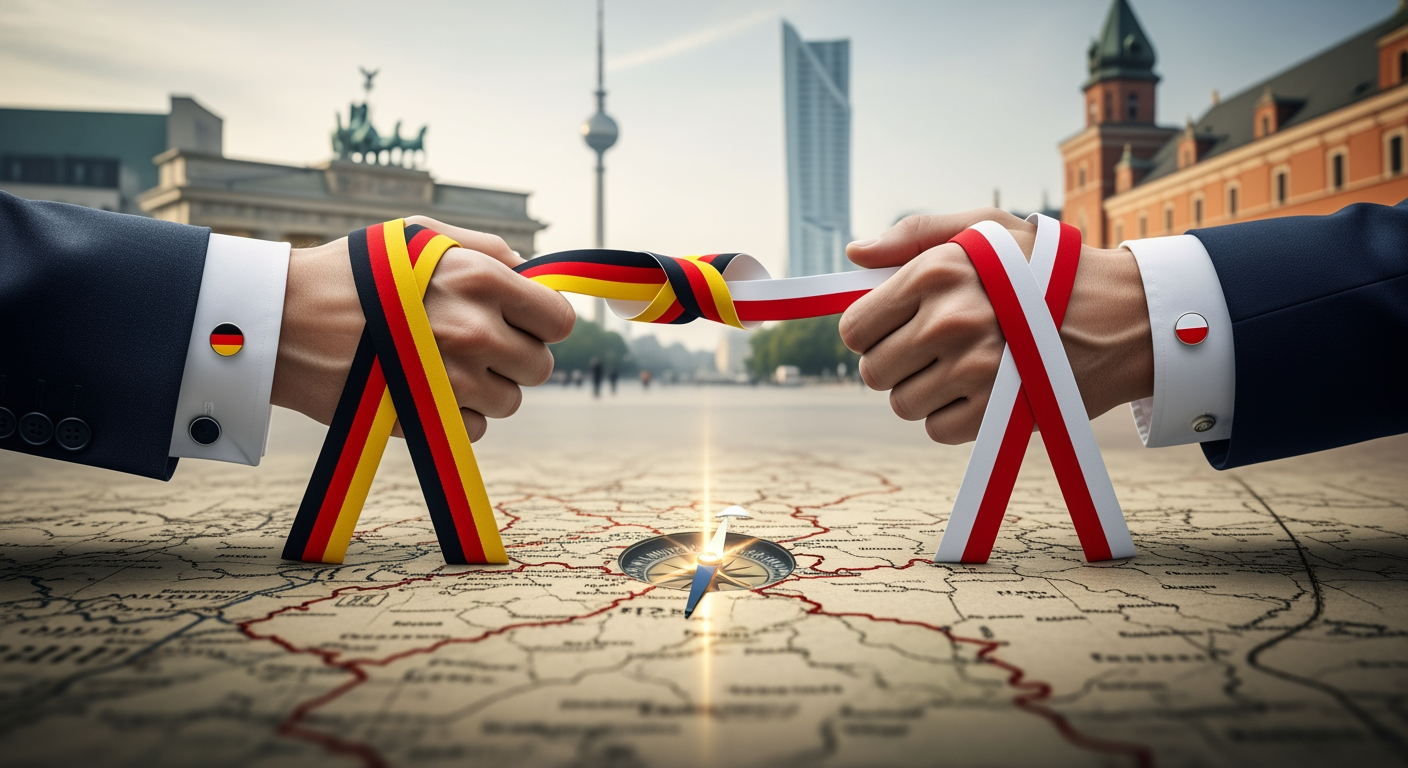
BERLIN, Germany – The intricate tapestry of German-Polish relations, woven with threads of shared history, deep economic ties, and persistent political friction, stands at a critical juncture. As Europe grapples with geopolitical shifts and the enduring shadow of conflict on its eastern flank, the need for a sustained breakthrough between these two pivotal European Union and NATO allies has never been more pressing. While official rhetoric often emphasizes partnership, underlying tensions, largely rooted in the harrowing legacy of World War II, continue to challenge a relationship vital for regional stability and the broader European project.
The Unyielding Echoes of History: Reparations and Remembrance
At the heart of the complex German-Polish dynamic lies the unresolved burden of World War II. Poland suffered immense human and material losses under Nazi occupation, including the deaths of approximately six million citizens and widespread destruction. For many Poles, the trauma of this period remains acutely felt, a sentiment often exacerbated by a perceived lack of adequate awareness in Germany regarding the full scale of atrocities committed against Poland.
This historical narrative has periodically fueled calls for war reparations. The previous Law and Justice (PiS) government in Poland notably demanded €1.3 trillion in compensation from Germany, a figure Berlin has consistently rejected, arguing that all financial claims related to World War II were definitively settled by the Two-plus-Four Treaty of 1990, which paved the way for German reunification, and a 1953 relinquishment of claims by Poland under Soviet pressure. The current Polish Prime Minister, Donald Tusk, while distancing his administration from the specific €1.3 trillion demand, has urged Germany to seek "creative solutions" for the estimated 60,000 surviving victims of Nazi crimes in Poland. This ongoing debate underscores the difficulty in moving past historical grievances, with some analyses suggesting Germany's public remains largely uninformed about the extent of Poland's wartime suffering.
Despite these profound challenges, symbolic gestures of reconciliation have occurred. Germany recently returned medieval archives related to the Teutonic Order and a 14th-century statue to Poland, items stolen during World War II, a move described as a "big deal" in bilateral relations. Such acts, while significant, highlight the chasm between symbolic recognition and the deeper, often financial, demands that linger.
Navigating Political Currents: Divergences within the European Framework
Beyond historical disputes, German-Polish relations have frequently been complicated by divergent political visions and domestic political pressures. During the tenure of Poland's PiS government, Warsaw often expressed skepticism towards Germany's federalist ideas for the European Union, seeking instead to position itself as a counterbalance to perceived German hegemony. This period also saw significant disagreements on issues of rule of law, EU migration policies, and energy security. Poland vehemently opposed the Nord Stream gas pipelines, viewing them as a dangerous alignment between Berlin and Moscow that bypassed Central European interests.
The political landscape in both nations also shapes their interactions. Anti-German rhetoric has at times been a prominent feature of Polish domestic politics, with opposition figures like Donald Tusk even being labeled "German agents" by political rivals. Conversely, the rise of the far-right Alternative for Germany (AfD) party has introduced an anti-Polish sentiment into German discourse, with some AfD politicians accusing Poland of "exploiting German guilt" and dismissing reparation demands as "extortion."
However, recent political shifts offer a renewed, albeit fragile, hope for rapprochement. The election of Donald Tusk as Prime Minister in late 2023 and the new German Chancellor Friedrich Merz have ushered in an era of cautious optimism for a "reset" in relations. Recent intergovernmental consultations in Berlin, co-chaired by Tusk and Merz, have aimed to strengthen cooperation across critical sectors, including security, defense, economic ties, and support for Ukraine. Merz's early visits to Paris and Warsaw signaled Germany's commitment to strengthening ties with key European partners, including Poland.
The Anchor of Interdependence: Economic Ties and People-to-People Connections
Despite the political headwinds and historical shadows, the economic relationship between Germany and Poland remains remarkably robust and serves as a significant stabilizing force. Germany is unequivocally Poland's most important partner for trade and investment. Conversely, Poland has ascended to become Germany's fifth-largest global trading partner and its second-largest within Europe, surpassing countries like France and the United Kingdom. Trade volume between the two nations reached a record €90 billion in the first half of 2025 alone, underscoring their profound economic interdependence.
Poland is deeply integrated into German supply chains, playing a critical role in manufacturing and services. Approximately 8.2% of all Polish employees, or around 1.2 million people, were dependent on exports to Germany in 2020. German companies are also significant investors in Poland, with over €42.5 billion invested by the end of 2022. This intricate economic web ensures a mutual interest in stability and cooperation.
Beyond economics, a vibrant network of people-to-people connections enriches the bilateral relationship. Frequent high-level political visits, over 500 town-twinning arrangements, and active youth exchange programs, such as those facilitated by the German-Polish Youth Office, foster understanding and collaboration. The presence of a substantial German minority in Poland and a large Polish diaspora in Germany further strengthens these societal bonds, highlighting the deep cultural and personal linkages that exist independent of political fluctuations.
Charting a Course Forward: Strategic Imperatives and Opportunities for Cooperation
The ongoing war in Ukraine has dramatically underscored the strategic imperative for Germany and Poland to forge a closer partnership. Both nations recognize Russia as an aggressive, revisionist power, a shared perception that would have been unthinkable a decade ago. As key backers of Ukraine, their coordinated efforts are crucial for European security. This shared threat provides a powerful impetus to overcome historical and political hurdles.
The recent German-Polish Action Plan, signed in July 2024, outlines an intent to deepen cooperation in security and defense initiatives, support for Ukraine, business relations, and EU enlargement. Poland's strategic location on NATO's eastern flank and its ongoing military modernization make it an indispensable partner for Germany, particularly in areas like drone defense and other modern military technologies. Indeed, Poland's eastern border is increasingly viewed as Germany's first line of defense, prompting calls for increased German investment in Polish defense capabilities.
The revitalization of the Weimar Triangle—a trilateral cooperation format involving Germany, France, and Poland—offers another promising avenue for coordinating positions on EU defense funding, security guarantees for Ukraine, and broader European policy. Such platforms are essential for presenting a united front against external threats and strengthening European coherence.
Conclusion
The relationship between Germany and Poland is undeniably multifaceted, defined by a challenging past and a future intertwined by necessity. While the specter of World War II reparations and lingering historical sensitivities continue to cast a long shadow, the profound economic interdependence and the shared strategic imperative to address threats from the east compel both nations toward greater cooperation.
The recent "reset" under new political leadership in both Berlin and Warsaw offers a critical opportunity to build on common ground. By actively pursuing diplomatic dialogue, fostering cultural exchange, and deepening cooperation on shared security and economic interests, Germany and Poland can move towards a more robust and resilient partnership. Such a breakthrough is not merely beneficial for the two countries but is increasingly seen as indispensable for the stability, security, and prosperity of the entire European continent.
Sources
- ground.news
- www.gov.pl
- tvpworld.com
- eurotopics.net
- carnegieendowment.org
- gisreportsonline.com
- theguardian.com
- tvpworld.com
- germanpolicy.com
- ips-journal.eu
- americangerman.institute
- brusselstimes.com
- aa.com.tr
- auswaertiges-amt.de
- pap.pl
- successful-investing-in-poland.com
- harici.com.tr
- www.gov.pl
- tvpworld.com
- euractiv.com
- neweasterneurope.eu
- dgap.org
- blue-europe.eu
Related Articles

Mounting Frustration Grips Russia as Economic Hardship and War's Toll Deepen
Moscow, Russia – A palpable shift in public sentiment is emerging across Russia, with growing frustration among citizens fueled by a confluence of economic pressures, increasing internet restrictions, and the undeniable...

Germany's Strategic Calculus: Ukraine Aid is an Investment in European Security, Not Charity
Berlin – The ongoing provision of substantial aid to Ukraine by Germany and its allies is increasingly being framed not as an act of altruism, but as a crucial investment in European security and stability. This...