Pete Hegseth Takes Helm of "Department of War" Amidst Ideological Reshaping of U.S. Defense
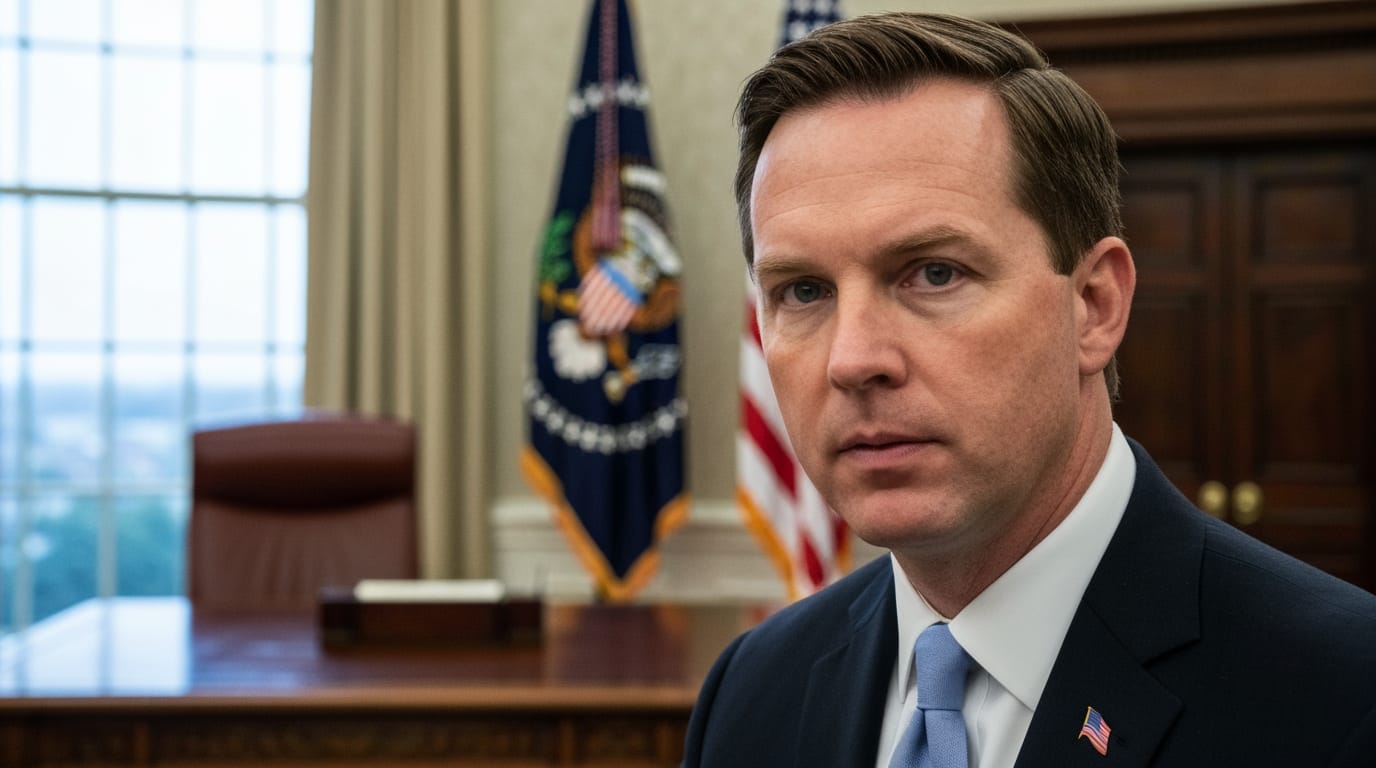
Washington D.C. – Pete Hegseth, the former Fox News personality and U.S. Army National Guard officer, now serves as the 29th United States Secretary of Defense, a role that has seen a striking rebrand of its department as the "Department of War" under an executive order issued by President Donald Trump. His appointment, confirmed on January 25, 2025, ushered in a period of intense scrutiny and ideological shifts within the nation's top military leadership, marking a significant departure from traditional defense nomenclature and policy approaches. The move has drawn both strong support from those who advocate for a more assertive military posture and sharp criticism from those concerned about its implications for international relations and military conduct.
From Fox News Anchor to Pentagon Chief
Pete Hegseth's trajectory to leading the Pentagon is a testament to a career built at the intersection of military service, conservative media, and close alignment with former President Donald Trump. Born in Minneapolis, Minnesota, Hegseth graduated from Princeton University in 2003, where he was involved with the Reserve Officers’ Training Corps (ROTC) and served as publisher of a conservative student newspaper. Commissioned as an infantry officer in the Minnesota Army National Guard, he undertook multiple deployments, including to Guantanamo Bay, Iraq, and Afghanistan, earning two Bronze Star Medals for his service. Following his active duty, Hegseth became involved with veterans' advocacy groups, serving as executive director for organizations such as Vets For Freedom and Concerned Veterans for America.
His public profile significantly expanded as a contributor and later co-host on Fox News Channel, particularly "Fox & Friends Weekend," from 2017 to 2024. During this period, Hegseth became a staunch supporter of Donald Trump, frequently offering commentary that aligned with the former president's views and occasionally advising him. This close relationship culminated in Trump's nomination of Hegseth for Secretary of Defense, a position for which he was confirmed by the Senate, albeit by a narrow 51-50 vote, following some initial consideration for Secretary of Veterans Affairs during Trump's first administration. His media background and lack of extensive high-level national security experience, compared to many predecessors, immediately set the stage for debates about his suitability for the role.
The Resurgence of the "Department of War"
A pivotal and highly symbolic change occurred on September 5, 2025, when President Trump issued Executive Order 14347, titled "Restoring the United States Department of War." This executive order effectively renamed the Department of Defense as the "Department of War" for specific official, public communication, and ceremonial contexts, with Hegseth subsequently adopting the secondary title of "Secretary of War." The rationale presented for this dramatic shift was that the name "Department of War," more than "Department of Defense," "ensures peace through strength" and "demonstrates our ability and willingness to fight and win wars... not just to defend." Proponents argue that the change sharpens the department's focus on national interests and signals a clear resolve to adversaries.
Historically, the U.S. War Department, headed by a Secretary of War, existed from 1789 until 1947, when it was reorganized into the Department of the Army, and the broader National Military Establishment (later Department of Defense) was created, led by a Secretary of Defense. This historical context underscores the significance of the recent renaming, which reverts to a term largely abandoned after World War II to reflect a more unified and defensive rather than purely offensive posture. Critics, however, contend that the rebranding is a provocative and potentially destabilizing move, suggesting a shift towards a more aggressive foreign policy.
Ideology and a New Military Doctrine
Hegseth's tenure as "Secretary of War" is characterized by his distinctly conservative and nationalist ideology, often described as ultraconservative and a "Christian nationalist." He has articulated a worldview that identifies "globalism, socialism, secularism, environmentalism, Islamism, genderism, and leftism" as forces antithetical to American values. In his 2020 book, "American Crusade," Hegseth called for a "holy war for the righteous cause of human freedom," suggesting that political processes alone might be insufficient to achieve desired goals. This framework informs his approach to military doctrine, prioritizing what he perceives as a robust and unconstrained projection of American power.
His policy positions reflect a desire to reform military culture and policy, emphasizing "maximum lethality" and a willingness to disregard what he terms "stupid rules of engagement." Such rhetoric, which includes pronouncements of showing "no quarter, no mercy for our enemies," has been interpreted by some as a dangerous departure from established international law and ethical military conduct. This ideological underpinning suggests a military leadership less concerned with traditional alliances and diplomatic niceties, and more focused on unilateral action and decisive force.
Scrutiny, Allegations, and a Polarizing Figure
From the outset, Hegseth's path to the Pentagon has been met with significant scrutiny and controversy. Concerns have been raised regarding his relative lack of traditional experience in managing a large government bureaucracy like the Department of Defense, particularly given past allegations of financial mismanagement during his time leading veterans' organizations. Furthermore, Hegseth has faced allegations of sexual misconduct and alcohol issues, which were reportedly brought up during his confirmation hearings. During these hearings, he reportedly sought to clarify earlier disparaging remarks about women in combat roles.
His public statements since assuming office have fueled further debate. Remarks concerning military actions, such as his description of the torpedoing of an Iranian warship as "quiet death" and vows against leniency for adversaries, have drawn sharp criticism for their perceived callousness and potential to undermine military discipline and adherence to the laws of armed conflict. Critics argue that his rhetoric transforms the grave responsibility of war into a "stage for display," fostering an environment where force is celebrated with bravado rather than solemn consideration. This polarizing figure's tenure represents a stark shift in the public face and internal ethos of the U.S. military establishment.
Conclusion: A New Era for U.S. Defense
Pete Hegseth's ascension to lead the Department, now officially operating as the "Department of War" in various capacities, signals a profound transformation in American defense policy and its public presentation. His background, ideological convictions, and the controversial renaming of the department reflect a deliberate move towards a more confrontational and ideologically driven military posture. This new era, marked by Hegseth's direct approach and fervent nationalism, presents significant implications for U.S. global engagement, military strategy, and the very definition of national security. As the "Department of War" charts its course, the world watches to see how these changes will reshape international dynamics and the future of American military power.


